•  
Workers on Power Transmission Line - China

Workers on Power Transmission Line - China

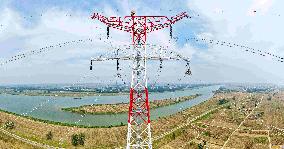
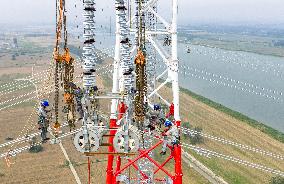
A drone photo shows staff members working on a power transmission line in Fengyang County, east China's Anhui Province, June 11, 2025. The 500 kV power transmission project from Xiangjian to Ludao in Anhui Province successfully completed the Huaihe River crossing on Wednesday. The two 193-meter towers on both side of Huaihe River have realized a tremendous crossing distance of 1,578 meters. Photo by Zheng Xianlie/Xinhua/ABACAPRESS.COM

  •  
Workers on Power Transmission Line - China

Workers on Power Transmission Line - China

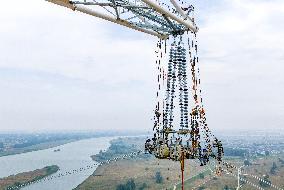
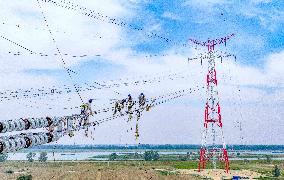
A drone photo shows staff members working on a power transmission line in Fengyang County, east China's Anhui Province, June 11, 2025. The 500 kV power transmission project from Xiangjian to Ludao in Anhui Province successfully completed the Huaihe River crossing on Wednesday. The two 193-meter towers on both side of Huaihe River have realized a tremendous crossing distance of 1,578 meters. (Photo by Zhao Xianfu/Xinhua/ABACAPRESS.COM

  •  
Workers on Power Transmission Line - China

Workers on Power Transmission Line - China

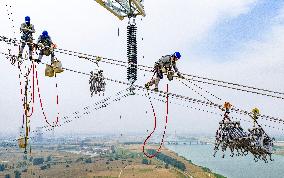
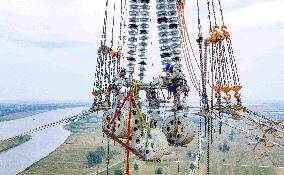
A drone photo shows staff members working on a power transmission line in Fengyang County, east China's Anhui Province, June 11, 2025. The 500 kV power transmission project from Xiangjian to Ludao in Anhui Province successfully completed the Huaihe River crossing on Wednesday. The two 193-meter towers on both side of Huaihe River have realized a tremendous crossing distance of 1,578 meters. Photo by Liu Junxi/Xinhua/ABACAPRESS.COM

  •  
Workers on Power Transmission Line - China

Workers on Power Transmission Line - China

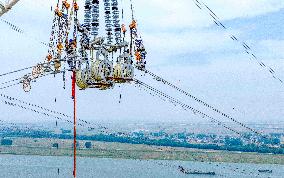
A drone photo shows staff members working on a power transmission line in Fengyang County, east China's Anhui Province, June 11, 2025. The 500 kV power transmission project from Xiangjian to Ludao in Anhui Province successfully completed the Huaihe River crossing on Wednesday. The two 193-meter towers on both side of Huaihe River have realized a tremendous crossing distance of 1,578 meters. Photo by Liu Junxi/Xinhua/ABACAPRESS.COM

  •  
Workers on Power Transmission Line - China

Workers on Power Transmission Line - China

A drone photo shows staff members working on a power transmission line in Fengyang County, east China's Anhui Province, June 11, 2025. The 500 kV power transmission project from Xiangjian to Ludao in Anhui Province successfully completed the Huaihe River crossing on Wednesday. The two 193-meter towers on both side of Huaihe River have realized a tremendous crossing distance of 1,578 meters. (Photo by Zhao Xianfu/Xinhua/ABACAPRESS.COM

  •  
Workers on Power Transmission Line - China

Workers on Power Transmission Line - China

A drone photo shows staff members working on a power transmission line in Fengyang County, east China's Anhui Province, June 11, 2025. The 500 kV power transmission project from Xiangjian to Ludao in Anhui Province successfully completed the Huaihe River crossing on Wednesday. The two 193-meter towers on both side of Huaihe River have realized a tremendous crossing distance of 1,578 meters. Photo by Zheng Xianlie/Xinhua/ABACAPRESS.COM

  •  
Workers on Power Transmission Line - China

Workers on Power Transmission Line - China

A drone photo shows staff members working on a power transmission line in Fengyang County, east China's Anhui Province, June 11, 2025. The 500 kV power transmission project from Xiangjian to Ludao in Anhui Province successfully completed the Huaihe River crossing on Wednesday. The two 193-meter towers on both side of Huaihe River have realized a tremendous crossing distance of 1,578 meters. Photo by Liu Junxi/Xinhua/ABACAPRESS.COM

  •  

China-aided poverty alleviation project brings hope to remote Cambodian village

STORY: China-aided poverty alleviation project brings hope to remote Cambodian village SHOOTING TIME: May 12, 2024 DATELINE: May 13, 2024 LENGTH: 00:02:12 LOCATION: BATI, Cambodia CATEGORY: SOCIETY SHOTLIST: 1. various of the village 2. SOUNDBITE 1 (Khmer): KEMREAT VISETH, Chairman of Cambodian Civil Society Alliance Forum (CSAF) 3. SOUNDBITE 2 (Khmer): POR SOKHIM, Tanorn villager 4. SOUNDBITE 3 (Khmer): KHLOK CHAMROEUN, Tanorn villager 5. SOUNDBITE 4 (Khmer): PANG SAMEDY, Tanorn village chief STORYLINE: Tanorn village, once poor and isolated in the Bati district of Cambodia's Takeo province, has undergone tremendous changes under a China-aided poverty alleviation project. Situated roughly 60 km south of the country's capital of Phnom Penh, the village has a total area of 72 hectares and is currently home to 132 households with more than 600 people. Launched in January 2021, the Cambodia-China Friendship Village for Poverty Alleviation Project has been turning Tanorn village into a modern one with we

  •  

Brazilian buyer sees great business opportunities at Canton Fair

STORY: Brazilian buyer sees great business opportunities at Canton Fair SHOOTING TIME: April 12, 2024 DATELINE: April 19, 2024 LENGTH: 00:02:45 LOCATION: GUANGZHOU, China CATEGORY: ECONOMY SHOTLIST: 1. SOUNDBITE (English): ELLEN, Brazilian buyer STORYLINE: Amazed by the tremendous opportunities at China's Canton Fair, Brazilian buyer Ellen has decided to launch her own clothing business in Guangzhou, with a focus on evening dresses. SOUNDBITE (English): ELLEN, Brazilian buyer "Guangzhou is a very dynamic city where the experience is different every time you visit. My name is Ellen and I am half Brazilian. I have studied and worked in Canada, the UK, Switzerland and the United Arab Emirates. After (having) been to so many places, I have decided to start my own business trading here in Guangzhou in the field of clothing, specifically on evening dresses, because they have a better cost and a variety of dresses that are of higher quality. My first time in Guangzhou was when I came for the Canton Fair last yea

  •  

French tiremaker Michelin vows to continue investment in China

STORY: French tiremaker Michelin vows to continue investment in China SHOOTING TIME: Early April, 2024 DATELINE: April 16, 2024 LENGTH: 00:01:16 LOCATION: SHENYANG, China CATEGORY: ECONOMY SHOTLIST: 1. various of Michelin Shenyang plant 2. SOUNDBITE (English): FLORENT MENEGAUX, CEO of Michelin Group 3. various of Michelin Shenyang plant STORYLINE: Impressed by the tremendous development of Shenyang, capital of northeast China's Liaoning Province, Florent Menegaux, Michelin Group CEO, has expressed his strong confidence in the performance of its Shenyang plant, vowing to continue investment in China. SOUNDBITE (English): FLORENT MENEGAUX, CEO of Michelin Group "I've seen tremendous development, especially in Shenyang City. I've also seen the development of our people in our plants. I'm always very excited when I come and visit our Shenyang plant. Michelin has been present in the province of Liaoning for the past 30 years. We had an old plant in the city center of Shenyang that we have moved into a more su

  •  

Sichod Wangmo's happy life in China's Xizang after democratic reform

STORY: Sichod Wangmo's happy life in China's Xizang after democratic reform SHOOTING TIME: March 28, 2024 DATELINE: March 31, 2024 LENGTH: 00:02:13 LOCATION: LHASA, China CATEGORY: SOCIETY SHOTLIST: 1. various of Sichod Wangmo's family SOUNDBITE 1 (Tibetan): SICHOD WANGMO, Resident in Damxung County, China's Xizang SOUNDBITE 2 (Tibetan): SONAM NORDAR, Resident in Damxung County, China's Xizang SOUNDBITE 3 (Tibetan): SONAM NORDAR, Resident in Damxung County, China's Xizang SOUNDBITE 4 (Tibetan): SICHOD WANGMO, Resident in Damxung County, China's Xizang STORYLINE: SOUNDBITE 1 (Tibetan): SICHOD WANGMO, Resident in Damxung County, China's Xizang In the past (before 1959), people here barely had enough to eat. We lived in dire poverty while also having to help the serf owners with herding, rarely having a full stomach. My name is Sichod Wangmo and I'm 85 years old now. Sichod Wangmo used to be a serf in old Xizang Born in 1939, she has witnessed the tremendous changes that have taken place in Xizang over the

  •  

Boao: transformation of a fishing village

STORY: Boao: transformation of a fishing village SHOOTING TIME: March 23, 2024 DATELINE: March 26, 2024 LENGTH: 00:01:03 LOCATION: BOAO, China CATEGORY: ECONOMY SHOTLIST: 1. various of Boao in Hainan Province 2. various of venue of the Boao Forum for Asia (BFA) STORYLINE: Themed "Asia and the World: Common Challenges, Shared Responsibilities," the Boao Forum for Asia (BFA) Annual Conference 2024 will be held from March 26 to 29 in Boao, south China's Hainan Province. Boao boasts the permanent venue of BFA, a non-governmental and non-profit international organization founded to promote regional economic development and cooperation. Since the founding of BFA in 2001, Boao has undergone tremendous changes, transforming from a small fishing village into a name card of Hainan, which features modernity and vibrancy. The transformation of Boao has also spurred the development of the local tourism industry, with homestays, restaurants and bars springing up. Currently, there are more than 100 such businesses, a

  •  

China: Railway Braves Harsh Weather During Spring Festival Travel Rush

A video recorded on February 3, 2024 in Hunan showed that amidst the Spring Festival travel rush, China Railway Group makes every effort to ensure smooth transportation despite adverse weather conditions. On a section of the railroad shown in the video, the wires above the train have been sparking as the vehicle drives by due to being covered in freezing rain. According to netizens, the train will need to have its head replaced after only one trip under such weather conditions. Despite this tremendous wear and tear, the trains are still keeping running to ensure smooth transportation during the Chinese New Year.

  •  
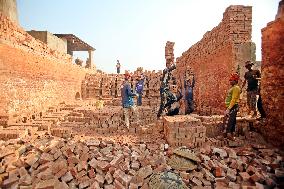
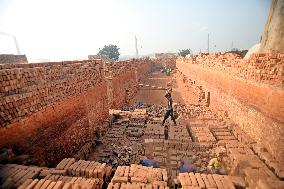
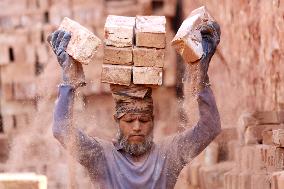
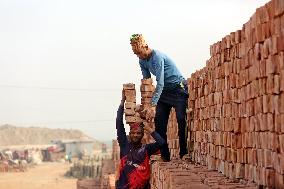
Laborers Work At A Bricks Field In Bangladesh

Laborers Work At A Bricks Field In Bangladesh

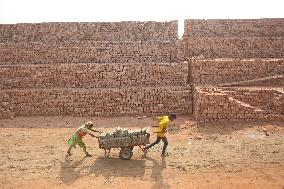
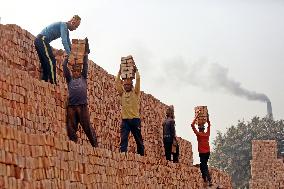
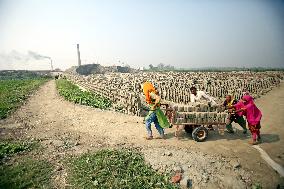
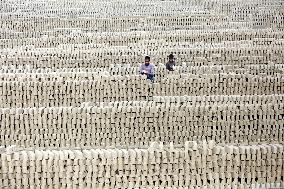
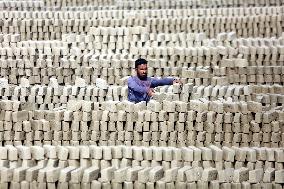
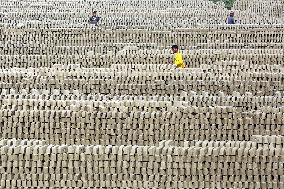
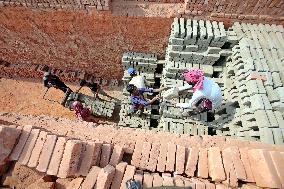
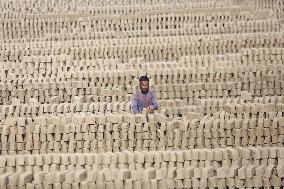
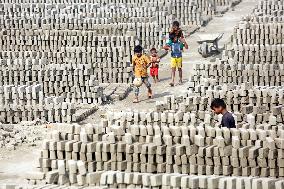
Laborers work at a brickyard on January 28, 2024, in Dhaka, Bangladesh. Bangladesh goes through speedy urbanization. Rapid urbanization generates massive demand for bricks as it is one of the key ingredients to build concrete structures. To meet this growing need, the number of brick-making fields has been increasing at an alarming rate in Bangladesh. Most of them take place in farming lands which causes a reduction in agricultural production, and burning coal causes tremendous emission of Carbon-Di-Oxide (CO2) gas which is primarily responsible for climate change. Photo by Habibur Rahman/ABACAPRESS.COM

  •  
Laborers Work At A Bricks Field In Bangladesh

Laborers Work At A Bricks Field In Bangladesh

Laborers work at a brickyard on January 28, 2024, in Dhaka, Bangladesh. Bangladesh goes through speedy urbanization. Rapid urbanization generates massive demand for bricks as it is one of the key ingredients to build concrete structures. To meet this growing need, the number of brick-making fields has been increasing at an alarming rate in Bangladesh. Most of them take place in farming lands which causes a reduction in agricultural production, and burning coal causes tremendous emission of Carbon-Di-Oxide (CO2) gas which is primarily responsible for climate change. Photo by Habibur Rahman/ABACAPRESS.COM

  •  
Laborers Work At A Bricks Field In Bangladesh

Laborers Work At A Bricks Field In Bangladesh

Laborers work at a brickyard on January 28, 2024, in Dhaka, Bangladesh. Bangladesh goes through speedy urbanization. Rapid urbanization generates massive demand for bricks as it is one of the key ingredients to build concrete structures. To meet this growing need, the number of brick-making fields has been increasing at an alarming rate in Bangladesh. Most of them take place in farming lands which causes a reduction in agricultural production, and burning coal causes tremendous emission of Carbon-Di-Oxide (CO2) gas which is primarily responsible for climate change. Photo by Habibur Rahman/ABACAPRESS.COM

  •  
Laborers Work At A Bricks Field In Bangladesh

Laborers Work At A Bricks Field In Bangladesh

Laborers work at a brickyard on January 28, 2024, in Dhaka, Bangladesh. Bangladesh goes through speedy urbanization. Rapid urbanization generates massive demand for bricks as it is one of the key ingredients to build concrete structures. To meet this growing need, the number of brick-making fields has been increasing at an alarming rate in Bangladesh. Most of them take place in farming lands which causes a reduction in agricultural production, and burning coal causes tremendous emission of Carbon-Di-Oxide (CO2) gas which is primarily responsible for climate change. Photo by Habibur Rahman/ABACAPRESS.COM

  •  
Laborers Work At A Bricks Field In Bangladesh

Laborers Work At A Bricks Field In Bangladesh

Laborers work at a brickyard on January 28, 2024, in Dhaka, Bangladesh. Bangladesh goes through speedy urbanization. Rapid urbanization generates massive demand for bricks as it is one of the key ingredients to build concrete structures. To meet this growing need, the number of brick-making fields has been increasing at an alarming rate in Bangladesh. Most of them take place in farming lands which causes a reduction in agricultural production, and burning coal causes tremendous emission of Carbon-Di-Oxide (CO2) gas which is primarily responsible for climate change. Photo by Habibur Rahman/ABACAPRESS.COM

  •  
Laborers Work At A Bricks Field In Bangladesh

Laborers Work At A Bricks Field In Bangladesh

Laborers work at a brickyard on January 28, 2024, in Dhaka, Bangladesh. Bangladesh goes through speedy urbanization. Rapid urbanization generates massive demand for bricks as it is one of the key ingredients to build concrete structures. To meet this growing need, the number of brick-making fields has been increasing at an alarming rate in Bangladesh. Most of them take place in farming lands which causes a reduction in agricultural production, and burning coal causes tremendous emission of Carbon-Di-Oxide (CO2) gas which is primarily responsible for climate change. Photo by Habibur Rahman/ABACAPRESS.COM

  •  
Laborers Work At A Bricks Field In Bangladesh

Laborers Work At A Bricks Field In Bangladesh

Laborers work at a brickyard on January 28, 2024, in Dhaka, Bangladesh. Bangladesh goes through speedy urbanization. Rapid urbanization generates massive demand for bricks as it is one of the key ingredients to build concrete structures. To meet this growing need, the number of brick-making fields has been increasing at an alarming rate in Bangladesh. Most of them take place in farming lands which causes a reduction in agricultural production, and burning coal causes tremendous emission of Carbon-Di-Oxide (CO2) gas which is primarily responsible for climate change. Photo by Habibur Rahman/ABACAPRESS.COM

  •  
Laborers Work At A Bricks Field In Bangladesh

Laborers Work At A Bricks Field In Bangladesh

Laborers work at a brickyard on January 28, 2024, in Dhaka, Bangladesh. Bangladesh goes through speedy urbanization. Rapid urbanization generates massive demand for bricks as it is one of the key ingredients to build concrete structures. To meet this growing need, the number of brick-making fields has been increasing at an alarming rate in Bangladesh. Most of them take place in farming lands which causes a reduction in agricultural production, and burning coal causes tremendous emission of Carbon-Di-Oxide (CO2) gas which is primarily responsible for climate change. Photo by Habibur Rahman/ABACAPRESS.COM

  •  
Laborers Work At A Bricks Field In Bangladesh

Laborers Work At A Bricks Field In Bangladesh

Laborers work at a brickyard on January 28, 2024, in Dhaka, Bangladesh. Bangladesh goes through speedy urbanization. Rapid urbanization generates massive demand for bricks as it is one of the key ingredients to build concrete structures. To meet this growing need, the number of brick-making fields has been increasing at an alarming rate in Bangladesh. Most of them take place in farming lands which causes a reduction in agricultural production, and burning coal causes tremendous emission of Carbon-Di-Oxide (CO2) gas which is primarily responsible for climate change. Photo by Habibur Rahman/ABACAPRESS.COM

  •  
Laborers Work At A Bricks Field In Bangladesh

Laborers Work At A Bricks Field In Bangladesh

Laborers work at a brickyard on January 28, 2024, in Dhaka, Bangladesh. Bangladesh goes through speedy urbanization. Rapid urbanization generates massive demand for bricks as it is one of the key ingredients to build concrete structures. To meet this growing need, the number of brick-making fields has been increasing at an alarming rate in Bangladesh. Most of them take place in farming lands which causes a reduction in agricultural production, and burning coal causes tremendous emission of Carbon-Di-Oxide (CO2) gas which is primarily responsible for climate change. Photo by Habibur Rahman/ABACAPRESS.COM

  •  
Laborers Work At A Bricks Field In Bangladesh

Laborers Work At A Bricks Field In Bangladesh

Laborers work at a brickyard on January 28, 2024, in Dhaka, Bangladesh. Bangladesh goes through speedy urbanization. Rapid urbanization generates massive demand for bricks as it is one of the key ingredients to build concrete structures. To meet this growing need, the number of brick-making fields has been increasing at an alarming rate in Bangladesh. Most of them take place in farming lands which causes a reduction in agricultural production, and burning coal causes tremendous emission of Carbon-Di-Oxide (CO2) gas which is primarily responsible for climate change. Photo by Habibur Rahman/ABACAPRESS.COM

  •  
Laborers Work At A Bricks Field In Bangladesh

Laborers Work At A Bricks Field In Bangladesh

Laborers work at a brickyard on January 28, 2024, in Dhaka, Bangladesh. Bangladesh goes through speedy urbanization. Rapid urbanization generates massive demand for bricks as it is one of the key ingredients to build concrete structures. To meet this growing need, the number of brick-making fields has been increasing at an alarming rate in Bangladesh. Most of them take place in farming lands which causes a reduction in agricultural production, and burning coal causes tremendous emission of Carbon-Di-Oxide (CO2) gas which is primarily responsible for climate change. Photo by Habibur Rahman/ABACAPRESS.COM

  •  
Laborers Work At A Bricks Field In Bangladesh

Laborers Work At A Bricks Field In Bangladesh

Laborers work at a brickyard on January 28, 2024, in Dhaka, Bangladesh. Bangladesh goes through speedy urbanization. Rapid urbanization generates massive demand for bricks as it is one of the key ingredients to build concrete structures. To meet this growing need, the number of brick-making fields has been increasing at an alarming rate in Bangladesh. Most of them take place in farming lands which causes a reduction in agricultural production, and burning coal causes tremendous emission of Carbon-Di-Oxide (CO2) gas which is primarily responsible for climate change. Photo by Habibur Rahman/ABACAPRESS.COM

  •  
Laborers Work At A Bricks Field In Bangladesh

Laborers Work At A Bricks Field In Bangladesh

Laborers work at a brickyard on January 28, 2024, in Dhaka, Bangladesh. Bangladesh goes through speedy urbanization. Rapid urbanization generates massive demand for bricks as it is one of the key ingredients to build concrete structures. To meet this growing need, the number of brick-making fields has been increasing at an alarming rate in Bangladesh. Most of them take place in farming lands which causes a reduction in agricultural production, and burning coal causes tremendous emission of Carbon-Di-Oxide (CO2) gas which is primarily responsible for climate change. Photo by Habibur Rahman/ABACAPRESS.COM

  •  
Laborers Work At A Bricks Field In Bangladesh

Laborers Work At A Bricks Field In Bangladesh

Laborers work at a brickyard on January 28, 2024, in Dhaka, Bangladesh. Bangladesh goes through speedy urbanization. Rapid urbanization generates massive demand for bricks as it is one of the key ingredients to build concrete structures. To meet this growing need, the number of brick-making fields has been increasing at an alarming rate in Bangladesh. Most of them take place in farming lands which causes a reduction in agricultural production, and burning coal causes tremendous emission of Carbon-Di-Oxide (CO2) gas which is primarily responsible for climate change. Photo by Habibur Rahman/ABACAPRESS.COM

  •  
Laborers Work At A Bricks Field In Bangladesh

Laborers Work At A Bricks Field In Bangladesh

Laborers work at a brickyard on January 28, 2024, in Dhaka, Bangladesh. Bangladesh goes through speedy urbanization. Rapid urbanization generates massive demand for bricks as it is one of the key ingredients to build concrete structures. To meet this growing need, the number of brick-making fields has been increasing at an alarming rate in Bangladesh. Most of them take place in farming lands which causes a reduction in agricultural production, and burning coal causes tremendous emission of Carbon-Di-Oxide (CO2) gas which is primarily responsible for climate change. Photo by Habibur Rahman/ABACAPRESS.COM

  •  
Laborers Work At A Bricks Field In Bangladesh

Laborers Work At A Bricks Field In Bangladesh

Laborers work at a brickyard on January 28, 2024, in Dhaka, Bangladesh. Bangladesh goes through speedy urbanization. Rapid urbanization generates massive demand for bricks as it is one of the key ingredients to build concrete structures. To meet this growing need, the number of brick-making fields has been increasing at an alarming rate in Bangladesh. Most of them take place in farming lands which causes a reduction in agricultural production, and burning coal causes tremendous emission of Carbon-Di-Oxide (CO2) gas which is primarily responsible for climate change. Photo by Habibur Rahman/ABACAPRESS.COM

  •  
Laborers Work At A Bricks Field In Bangladesh

Laborers Work At A Bricks Field In Bangladesh

Laborers work at a brickyard on January 28, 2024, in Dhaka, Bangladesh. Bangladesh goes through speedy urbanization. Rapid urbanization generates massive demand for bricks as it is one of the key ingredients to build concrete structures. To meet this growing need, the number of brick-making fields has been increasing at an alarming rate in Bangladesh. Most of them take place in farming lands which causes a reduction in agricultural production, and burning coal causes tremendous emission of Carbon-Di-Oxide (CO2) gas which is primarily responsible for climate change. Photo by Habibur Rahman/ABACAPRESS.COM

  •  
Laborers Work At A Bricks Field In Bangladesh

Laborers Work At A Bricks Field In Bangladesh

Laborers work at a brickyard on January 28, 2024, in Dhaka, Bangladesh. Bangladesh goes through speedy urbanization. Rapid urbanization generates massive demand for bricks as it is one of the key ingredients to build concrete structures. To meet this growing need, the number of brick-making fields has been increasing at an alarming rate in Bangladesh. Most of them take place in farming lands which causes a reduction in agricultural production, and burning coal causes tremendous emission of Carbon-Di-Oxide (CO2) gas which is primarily responsible for climate change. Photo by Habibur Rahman/ABACAPRESS.COM

  •  
Laborers Work At A Bricks Field In Bangladesh

Laborers Work At A Bricks Field In Bangladesh

Laborers work at a brickyard on January 28, 2024, in Dhaka, Bangladesh. Bangladesh goes through speedy urbanization. Rapid urbanization generates massive demand for bricks as it is one of the key ingredients to build concrete structures. To meet this growing need, the number of brick-making fields has been increasing at an alarming rate in Bangladesh. Most of them take place in farming lands which causes a reduction in agricultural production, and burning coal causes tremendous emission of Carbon-Di-Oxide (CO2) gas which is primarily responsible for climate change. Photo by Habibur Rahman/ABACAPRESS.COM

  •  
Laborers Work At A Bricks Field In Bangladesh

Laborers Work At A Bricks Field In Bangladesh

Laborers work at a brickyard on January 28, 2024, in Dhaka, Bangladesh. Bangladesh goes through speedy urbanization. Rapid urbanization generates massive demand for bricks as it is one of the key ingredients to build concrete structures. To meet this growing need, the number of brick-making fields has been increasing at an alarming rate in Bangladesh. Most of them take place in farming lands which causes a reduction in agricultural production, and burning coal causes tremendous emission of Carbon-Di-Oxide (CO2) gas which is primarily responsible for climate change. Photo by Habibur Rahman/ABACAPRESS.COM

  •  
Laborers Work At A Bricks Field In Bangladesh

Laborers Work At A Bricks Field In Bangladesh

Laborers work at a brickyard on January 28, 2024, in Dhaka, Bangladesh. Bangladesh goes through speedy urbanization. Rapid urbanization generates massive demand for bricks as it is one of the key ingredients to build concrete structures. To meet this growing need, the number of brick-making fields has been increasing at an alarming rate in Bangladesh. Most of them take place in farming lands which causes a reduction in agricultural production, and burning coal causes tremendous emission of Carbon-Di-Oxide (CO2) gas which is primarily responsible for climate change. Photo by Habibur Rahman/ABACAPRESS.COM

  •  
Laborers Work At A Bricks Field In Bangladesh

Laborers Work At A Bricks Field In Bangladesh

Laborers work at a brickyard on January 28, 2024, in Dhaka, Bangladesh. Bangladesh goes through speedy urbanization. Rapid urbanization generates massive demand for bricks as it is one of the key ingredients to build concrete structures. To meet this growing need, the number of brick-making fields has been increasing at an alarming rate in Bangladesh. Most of them take place in farming lands which causes a reduction in agricultural production, and burning coal causes tremendous emission of Carbon-Di-Oxide (CO2) gas which is primarily responsible for climate change. Photo by Habibur Rahman/ABACAPRESS.COM

  •  
Laborers Work At A Bricks Field In Bangladesh

Laborers Work At A Bricks Field In Bangladesh

Laborers work at a brickyard on January 28, 2024, in Dhaka, Bangladesh. Bangladesh goes through speedy urbanization. Rapid urbanization generates massive demand for bricks as it is one of the key ingredients to build concrete structures. To meet this growing need, the number of brick-making fields has been increasing at an alarming rate in Bangladesh. Most of them take place in farming lands which causes a reduction in agricultural production, and burning coal causes tremendous emission of Carbon-Di-Oxide (CO2) gas which is primarily responsible for climate change. Photo by Habibur Rahman/ABACAPRESS.COM

  •  
Laborers Work At A Bricks Field In Bangladesh

Laborers Work At A Bricks Field In Bangladesh

Laborers work at a brickyard on January 28, 2024, in Dhaka, Bangladesh. Bangladesh goes through speedy urbanization. Rapid urbanization generates massive demand for bricks as it is one of the key ingredients to build concrete structures. To meet this growing need, the number of brick-making fields has been increasing at an alarming rate in Bangladesh. Most of them take place in farming lands which causes a reduction in agricultural production, and burning coal causes tremendous emission of Carbon-Di-Oxide (CO2) gas which is primarily responsible for climate change. Photo by Habibur Rahman/ABACAPRESS.COM

  •  
Laborers Work At A Bricks Field In Bangladesh

Laborers Work At A Bricks Field In Bangladesh

Laborers work at a brickyard on January 28, 2024, in Dhaka, Bangladesh. Bangladesh goes through speedy urbanization. Rapid urbanization generates massive demand for bricks as it is one of the key ingredients to build concrete structures. To meet this growing need, the number of brick-making fields has been increasing at an alarming rate in Bangladesh. Most of them take place in farming lands which causes a reduction in agricultural production, and burning coal causes tremendous emission of Carbon-Di-Oxide (CO2) gas which is primarily responsible for climate change. Photo by Habibur Rahman/ABACAPRESS.COM

  •  
Laborers Work At A Bricks Field In Bangladesh

Laborers Work At A Bricks Field In Bangladesh

Laborers work at a brickyard on January 28, 2024, in Dhaka, Bangladesh. Bangladesh goes through speedy urbanization. Rapid urbanization generates massive demand for bricks as it is one of the key ingredients to build concrete structures. To meet this growing need, the number of brick-making fields has been increasing at an alarming rate in Bangladesh. Most of them take place in farming lands which causes a reduction in agricultural production, and burning coal causes tremendous emission of Carbon-Di-Oxide (CO2) gas which is primarily responsible for climate change. Photo by Habibur Rahman/ABACAPRESS.COM

  •  
Laborers Work At A Bricks Field In Bangladesh

Laborers Work At A Bricks Field In Bangladesh

Laborers work at a brickyard on January 28, 2024, in Dhaka, Bangladesh. Bangladesh goes through speedy urbanization. Rapid urbanization generates massive demand for bricks as it is one of the key ingredients to build concrete structures. To meet this growing need, the number of brick-making fields has been increasing at an alarming rate in Bangladesh. Most of them take place in farming lands which causes a reduction in agricultural production, and burning coal causes tremendous emission of Carbon-Di-Oxide (CO2) gas which is primarily responsible for climate change. Photo by Habibur Rahman/ABACAPRESS.COM

  •  
Laborers Work At A Bricks Field In Bangladesh

Laborers Work At A Bricks Field In Bangladesh

Laborers work at a brickyard on January 28, 2024, in Dhaka, Bangladesh. Bangladesh goes through speedy urbanization. Rapid urbanization generates massive demand for bricks as it is one of the key ingredients to build concrete structures. To meet this growing need, the number of brick-making fields has been increasing at an alarming rate in Bangladesh. Most of them take place in farming lands which causes a reduction in agricultural production, and burning coal causes tremendous emission of Carbon-Di-Oxide (CO2) gas which is primarily responsible for climate change. Photo by Habibur Rahman/ABACAPRESS.COM

  •  
Laborers Work At A Bricks Field In Bangladesh

Laborers Work At A Bricks Field In Bangladesh

Laborers work at a brickyard on January 28, 2024, in Dhaka, Bangladesh. Bangladesh goes through speedy urbanization. Rapid urbanization generates massive demand for bricks as it is one of the key ingredients to build concrete structures. To meet this growing need, the number of brick-making fields has been increasing at an alarming rate in Bangladesh. Most of them take place in farming lands which causes a reduction in agricultural production, and burning coal causes tremendous emission of Carbon-Di-Oxide (CO2) gas which is primarily responsible for climate change. Photo by Habibur Rahman/ABACAPRESS.COM

  •  

Western media's reports about China are false: Jordanian writer

STORY: Western media's reports about China are false: Jordanian writer SHOOTING TIME: Dec. 9, 2023 DATELINE: Jan. 8, 2024 LENGTH: 00:02:03 LOCATION: Amman CATEGORY: POLITICS SHOTLIST: 1. various of China 2. SOUNDBITE (Arabic): SAMER KHAIR AHMED, Jordanian writer and expert on Arab-China relations STORYLINE: Samer Khair Ahmed is a Jordanian writer and an expert on Arab-China relations, who has visited China 20 times since 2007. He holds a perspective about China that is vastly different from what the Western media has distortedly portrayed over the years. SOUNDBITE (Arabic): SAMER KHAIR AHMED, Jordanian writer and expert on Arab-China relations "Western media's reports about China are false. I visited China for the first time in 2007. What I remember in the year 2007 is that I experienced a civilizational shock due to the tremendous development in China. It was clear that China is a country that is moving forward and looking forward to further construction and development. Before going to China, I had no

  •  

German woodworking machinery manufacturer optimistic about Chinese market

STORY: German woodworking machinery manufacturer optimistic about Chinese market SHOOTING TIME: Dec. 10, 2023 DATELINE: Dec. 11, 2023 LENGTH: 00:01:57 LOCATION: SHANGHAI, China CATEGORY: ECONOMY SHOTLIST: 1. various of the German manufacturing company Homag 2. STANDUP (English): SUN QING, Xinhua correspondent 3. SOUNDBITE 1 (English): PETER LEGNER, CEO of HOMAG China 4. SOUNDBITE 2 (English): PETER LEGNER, CEO of HOMAG China STORYLINE: STANDUP (English): SUN QING, Xinhua correspondent "German manufacturing company Homag has been stationed in Songjiang, Shanghai for 30 years and has experienced tremendous development. The company continues to expand investment and increase production capacity in China, and has also established its China headquarters, three factories, sales center, and R&D center here. Thanks to the large Chinese market, Homag China has maintained a revenue of over 1 billion yuan (139 million USD annually) in the past few years. With the advantages of German manufacturing and a localized tea

  •  

China's development eye-opener for me: Malaysian media leader

STORY: China's development eye-opener for me: Malaysian media leader SHOOTING TIME: Dec. 2-5, 2023 DATELINE: Dec. 6, 2023 LENGTH: 00:01:25 LOCATION: GUANGZHOU, China CATEGORY: ECONOMY SHOTLIST: 1. various of the fifth World Media Summit 2. SOUNDBITE 1 (English): CHUN WAI WONG, Malaysian National News Agency Chairman 3. various of Guangzhou's infrastructure (File) 4. SOUNDBITE 2 (English): CHUN WAI WONG, Malaysian National News Agency Chairman 5. various of Guangzhou's infrastructure (File) 6. various of the fifth World Media Summit STORYLINE: The chairman of the Malaysian National News Agency, who's in China to attend the fifth World Media Summit, has highlighted China's tremendous development, saying it's an eye-opener for him. SOUNDBITE 1 (English): CHUN WAI WONG, Malaysian National News Agency Chairman "I always feel that I always want to learn. China is a very good example of how I could learn. China has developed so tremendously in all fields. Every time I come to China, it's an eye-opener for me. Ch

  •  

Finnish meat producer Atria applauds poultry exports to China

STORY: Finnish meat producer Atria applauds poultry exports to China SHOOTING TIME: Nov. 22, 2023 DATELINE: Nov. 29, 2023 LENGTH: 00:01:21 LOCATION: Helsinki CATEGORY: ECONOMY SHOTLIST: 1. various of Finnish leading meat producer Atria 2. SOUNDBITE (English): MARKKU HIRVIJARVI, Senior Vice President of Atria STORYLINE: Finnish leading meat producer Atria has welcomed a Finno-Chinese agreement on the quarantine and veterinary requirements for poultry meat, which created opportunities for the export of Finnish poultry to China. In a recent interview, Senior Vice President Markku Hirvijarvi told Xinhua that this agreement is a tremendous opportunity not only for Atria but also for the Finnish food industry. SOUNDBITE (English): MARKKU HIRVIJARVI, Senior Vice President of Atria "First of all, this is a great opportunity for Atria. We will start our export as soon as possible. And of course, in the short term, this means that we have a lot of work to do still with the product and this kind of thing. But in th

  •  
Laborers Work At A Brickyard - Bangladesh

Laborers Work At A Brickyard - Bangladesh

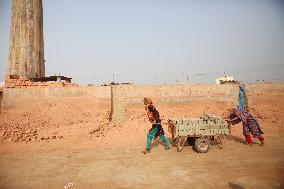
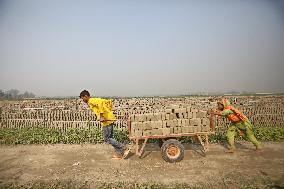
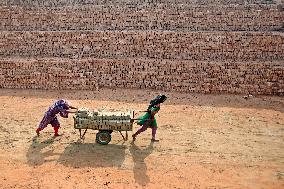
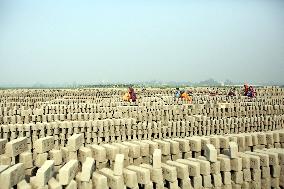
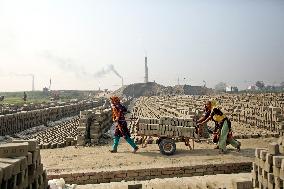
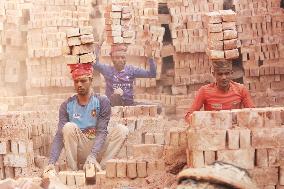
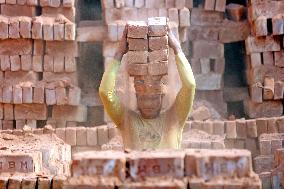
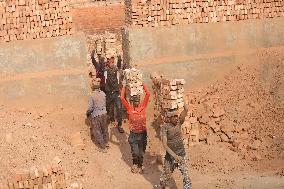
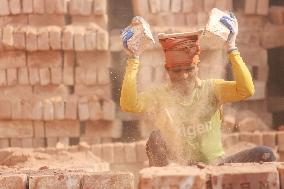
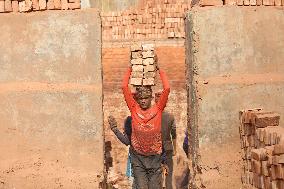
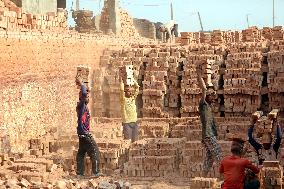
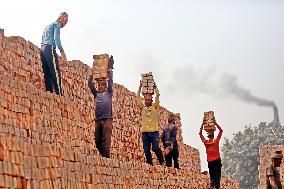
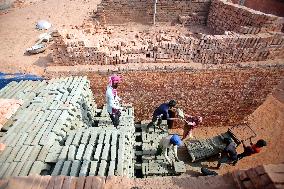
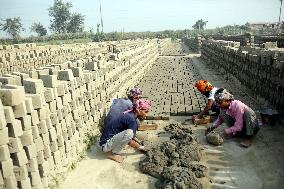
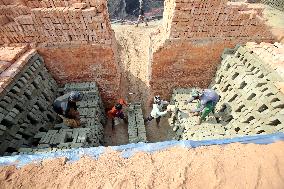
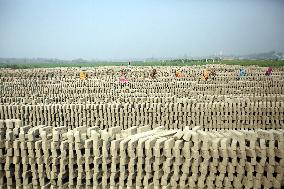
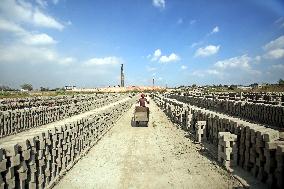
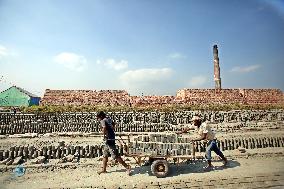
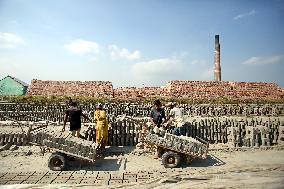
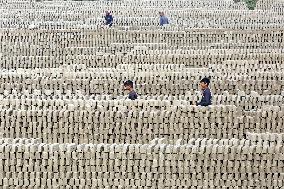
Laborer work at a brickyard. Bangladesh goes through speedy urbanization. Rapid urbanization generates massive demand for bricks as it is one of the key ingredients to build concrete structures. To meet this growing need, the number of brick-making fields has been increasing at an alarming rate in Bangladesh. Most of them take place in farming lands which causes a reduction in agricultural production, and burning coal causes tremendous emission of Carbon-Di-Oxide (CO2) gas which is primarily responsible for climate change. On November 26, 2023 in Dhaka, Bangladesh.Most laborers work here 7 days a week and get BDT (Bangladeshi taka) 450 ($ 4.37) per day. Photo by Habibur Rahman/ABACAPRESS.COM

  •  
Laborers Work At A Brickyard - Bangladesh

Laborers Work At A Brickyard - Bangladesh

Laborer work at a brickyard. Bangladesh goes through speedy urbanization. Rapid urbanization generates massive demand for bricks as it is one of the key ingredients to build concrete structures. To meet this growing need, the number of brick-making fields has been increasing at an alarming rate in Bangladesh. Most of them take place in farming lands which causes a reduction in agricultural production, and burning coal causes tremendous emission of Carbon-Di-Oxide (CO2) gas which is primarily responsible for climate change. On November 26, 2023 in Dhaka, Bangladesh.Most laborers work here 7 days a week and get BDT (Bangladeshi taka) 450 ($ 4.37) per day. Photo by Habibur Rahman/ABACAPRESS.COM

  •  
Laborers Work At A Brickyard - Bangladesh

Laborers Work At A Brickyard - Bangladesh

Laborer work at a brickyard. Bangladesh goes through speedy urbanization. Rapid urbanization generates massive demand for bricks as it is one of the key ingredients to build concrete structures. To meet this growing need, the number of brick-making fields has been increasing at an alarming rate in Bangladesh. Most of them take place in farming lands which causes a reduction in agricultural production, and burning coal causes tremendous emission of Carbon-Di-Oxide (CO2) gas which is primarily responsible for climate change. On November 26, 2023 in Dhaka, Bangladesh.Most laborers work here 7 days a week and get BDT (Bangladeshi taka) 450 ($ 4.37) per day. Photo by Habibur Rahman/ABACAPRESS.COM

  • Main
  • Top
  • Editorial
  • Creative
  • About Us
  • About ILG
  • Terms of use
  • Company
  • BEHIND
  • Price List
  • Single Plan
  • Monthly Plan
  • Services
  • Shooting
  • Rights Clearance
  • Support
  • FAQ
  • How To Buy
  • Contact Us
  • Become a Partner

© KYODO NEWS IMAGES INC

All Rights Reserved.

  • Editorial
  • Olympics
  • News
  • Sports
  • Japan
  • Tech
  • Royal
  • Disaster
  • NorthKorea
  • Old Japan
  • SNS
  • Creative
  • Food
  • Japan
  • Landscape
  • Animal
  • Popular
  • #Ukraine
  • #Russia
  • #coronavirus
  • #N. Korea
  • #Thailand
  • #China
  • #Ukraine
  • #Russia
  • #coronavirus
  • #N. Korea
  • #Thailand
  • #China
  • Food
  • Japan
  • Landscape
  • Animal
  • Olympics
  • News
  • Sports
  • Japan
  • Tech
  • Royal
  • Disaster
  • NorthKorea
  • Old Japan
  • SNS