•  
(InXizang)CHINA-XIZANG-FORMER SERF-NEW LIFE-DRAKPA WANGDEN (CN)

(InXizang)CHINA-XIZANG-FORMER SERF-NEW LIFE-DRAKPA WANGDEN (CN)

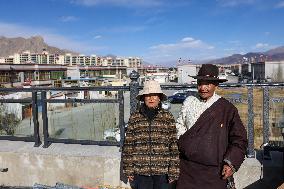
(240330) -- LHASA, March 30, 2024 (Xinhua) -- Drakpa Wangden poses for a photo with his daughter at his home at Yabda Village of Doilungdeqen District in Lhasa, southwest China's Xizang Autonomous Region, March 11, 2024. Born in 1944, Drakpa Wangden lives now in Doilungdeqen District of Lhasa, southwest China's Xizang Autonomous Region. Before the democratic reform, Drakpa Wangden and his family were serfs, working on manors affiliated with two monasteries in present-day Lhasa. For his family, each spring meant borrowing seeds from their masters, however, they could collect nothing during the autumn harvest. At that time, the sustenance of Drakpa Wangden's family of nine was a meager bowl of tsampa, a traditional Tibetan staple made from barley flour, no larger than the palm of a child's hand. In March 1959, people in Xizang launched a democratic reform that ended the region's feudal serfdom and Drakpa Wangden's family was freed along with about a million serfs. Under the systems of the people's con

  •  
(InXizang)CHINA-XIZANG-FORMER SERF-NEW LIFE-DRAKPA WANGDEN (CN)

(InXizang)CHINA-XIZANG-FORMER SERF-NEW LIFE-DRAKPA WANGDEN (CN)

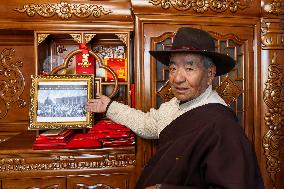
(240330) -- LHASA, March 30, 2024 (Xinhua) -- Drakpa Wangden demonstrates photos and certificates of honor he won in Lhasa, southwest China's Xizang Autonomous Region, March 11, 2024. Born in 1944, Drakpa Wangden lives now in Doilungdeqen District of Lhasa, southwest China's Xizang Autonomous Region. Before the democratic reform, Drakpa Wangden and his family were serfs, working on manors affiliated with two monasteries in present-day Lhasa. For his family, each spring meant borrowing seeds from their masters, however, they could collect nothing during the autumn harvest. At that time, the sustenance of Drakpa Wangden's family of nine was a meager bowl of tsampa, a traditional Tibetan staple made from barley flour, no larger than the palm of a child's hand. In March 1959, people in Xizang launched a democratic reform that ended the region's feudal serfdom and Drakpa Wangden's family was freed along with about a million serfs. Under the systems of the people's congresses and regional ethnic autonomy

  •  
(InXizang)CHINA-XIZANG-FORMER SERF-NEW LIFE-DRAKPA WANGDEN (CN)

(InXizang)CHINA-XIZANG-FORMER SERF-NEW LIFE-DRAKPA WANGDEN (CN)

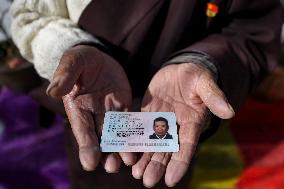
(240330) -- LHASA, March 30, 2024 (Xinhua) -- This photo taken on March 11, 2024 shows the ID card of Drakpa Wangden. Born in 1944, Drakpa Wangden lives now in Doilungdeqen District of Lhasa, southwest China's Xizang Autonomous Region. Before the democratic reform, Drakpa Wangden and his family were serfs, working on manors affiliated with two monasteries in present-day Lhasa. For his family, each spring meant borrowing seeds from their masters, however, they could collect nothing during the autumn harvest. At that time, the sustenance of Drakpa Wangden's family of nine was a meager bowl of tsampa, a traditional Tibetan staple made from barley flour, no larger than the palm of a child's hand. In March 1959, people in Xizang launched a democratic reform that ended the region's feudal serfdom and Drakpa Wangden's family was freed along with about a million serfs. Under the systems of the people's congresses and regional ethnic autonomy that were put in place after the reform, former serfs and slaves w

  •  
(InXizang)CHINA-XIZANG-FORMER SERF-NEW LIFE-DRAKPA WANGDEN (CN)

(InXizang)CHINA-XIZANG-FORMER SERF-NEW LIFE-DRAKPA WANGDEN (CN)

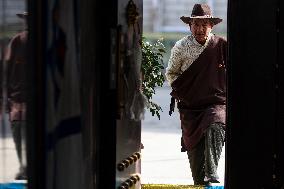
(240330) -- LHASA, March 30, 2024 (Xinhua) -- Drakpa Wangden walks into his home at Yabda Village of Doilungdeqen District in Lhasa, southwest China's Xizang Autonomous Region, March 11, 2024. Born in 1944, Drakpa Wangden lives now in Doilungdeqen District of Lhasa, southwest China's Xizang Autonomous Region. Before the democratic reform, Drakpa Wangden and his family were serfs, working on manors affiliated with two monasteries in present-day Lhasa. For his family, each spring meant borrowing seeds from their masters, however, they could collect nothing during the autumn harvest. At that time, the sustenance of Drakpa Wangden's family of nine was a meager bowl of tsampa, a traditional Tibetan staple made from barley flour, no larger than the palm of a child's hand. In March 1959, people in Xizang launched a democratic reform that ended the region's feudal serfdom and Drakpa Wangden's family was freed along with about a million serfs. Under the systems of the people's congresses and regional ethnic

  •  
(InXizang)CHINA-XIZANG-FORMER SERF-NEW LIFE-DRAKPA WANGDEN (CN)

(InXizang)CHINA-XIZANG-FORMER SERF-NEW LIFE-DRAKPA WANGDEN (CN)

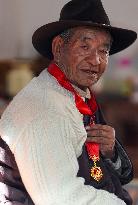
(240330) -- LHASA, March 30, 2024 (Xinhua) -- The 80-year-old Drakpa Wangden shows his commemorative medal awarded to the Communist Party of China (CPC) members after five decades of Party membership in Lhasa, southwest China's Xizang Autonomous Region, March 11, 2024. Born in 1944, Drakpa Wangden lives now in Doilungdeqen District of Lhasa, southwest China's Xizang Autonomous Region. Before the democratic reform, Drakpa Wangden and his family were serfs, working on manors affiliated with two monasteries in present-day Lhasa. For his family, each spring meant borrowing seeds from their masters, however, they could collect nothing during the autumn harvest. At that time, the sustenance of Drakpa Wangden's family of nine was a meager bowl of tsampa, a traditional Tibetan staple made from barley flour, no larger than the palm of a child's hand. In March 1959, people in Xizang launched a democratic reform that ended the region's feudal serfdom and Drakpa Wangden's family was freed along with about a milli

  •  
(InXizang)CHINA-XIZANG-FORMER SERF-NEW LIFE-DRAKPA WANGDEN (CN)

(InXizang)CHINA-XIZANG-FORMER SERF-NEW LIFE-DRAKPA WANGDEN (CN)

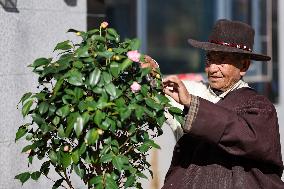
(240330) -- LHASA, March 30, 2024 (Xinhua) -- Drakpa Wangden prunes a potted flower outside his home at Yabda Village of Doilungdeqen District in Lhasa, southwest China's Xizang Autonomous Region, March 11, 2024. Born in 1944, Drakpa Wangden lives now in Doilungdeqen District of Lhasa, southwest China's Xizang Autonomous Region. Before the democratic reform, Drakpa Wangden and his family were serfs, working on manors affiliated with two monasteries in present-day Lhasa. For his family, each spring meant borrowing seeds from their masters, however, they could collect nothing during the autumn harvest. At that time, the sustenance of Drakpa Wangden's family of nine was a meager bowl of tsampa, a traditional Tibetan staple made from barley flour, no larger than the palm of a child's hand. In March 1959, people in Xizang launched a democratic reform that ended the region's feudal serfdom and Drakpa Wangden's family was freed along with about a million serfs. Under the systems of the people's congresses

  • Main
  • Top
  • Editorial
  • Creative
  • About Us
  • About ILG
  • Terms of use
  • Company
  • BEHIND
  • Price List
  • Single Plan
  • Monthly Plan
  • Services
  • Shooting
  • Rights Clearance
  • Support
  • FAQ
  • How To Buy
  • Contact Us
  • Become a Partner

© KYODO NEWS IMAGES INC

All Rights Reserved.

  • Editorial
  • Olympics
  • News
  • Sports
  • Japan
  • Tech
  • Royal
  • Disaster
  • NorthKorea
  • Old Japan
  • SNS
  • Creative
  • Food
  • Japan
  • Landscape
  • Animal
  • Popular
  • #Ukraine
  • #China
  • #coronavirus
  • #N. Korea
  • #Russia
  • #Thailand
  • #Ukraine
  • #China
  • #coronavirus
  • #N. Korea
  • #Russia
  • #Thailand
  • Food
  • Japan
  • Landscape
  • Animal
  • Olympics
  • News
  • Sports
  • Japan
  • Tech
  • Royal
  • Disaster
  • NorthKorea
  • Old Japan
  • SNS