•  
STAP cells paper co-author Sasai commits suicide

STAP cells paper co-author Sasai commits suicide

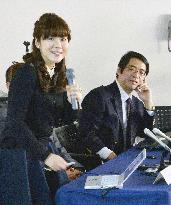
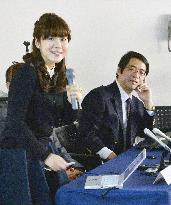
KOBE, Japan - File photo taken Jan. 28, 2014, in the western Japan city of Kobe shows Yoshiki Sasai (R), deputy director of the Riken Center for Developmental Biology, and Riken scientist Haruko Obokata announcing their research on so-called STAP cells. Sasai, a co-author of STAP research papers, committed suicide on Aug. 5 at Riken. Obokata is the lead author of the two controversial papers.

  •  
Obokata arrives at Riken to prove STAP cells

Obokata arrives at Riken to prove STAP cells

KOBE, Japan - Haruko Obokata, the lead author of two controversial STAP cell papers, enters Riken's Center for Developmental Biology in Kobe on July 2, 2014, to participate in experiments to verify the findings of her research. Obokata, 30, will participate in the experiments through Nov. 30 to determine if STAP cells can be produced. The institute said it will secure transparency by video recording her experiments and through other means.

  •  
Obokata arrives at Riken to prove STAP cells

Obokata arrives at Riken to prove STAP cells

KOBE, Japan - Haruko Obokata, the lead author of two controversial STAP cell papers, enters Riken's Center for Developmental Biology in Kobe on July 2, 2014, to participate in experiments to verify the findings of her research. Obokata, 30, will participate in the experiments through Nov. 30 to determine if STAP cells can be produced. The institute said it will secure transparency by video recording her experiments and through other means.

  •  
Obokata arrives at Riken to prove STAP cells

Obokata arrives at Riken to prove STAP cells

KOBE, Japan - Haruko Obokata, the lead author of two controversial STAP cell papers, arrives at Riken's Center for Developmental Biology in Kobe on July 2, 2014, to participate in experiments to verify the findings of her research. Obokata, 30, will participate in the experiments through Nov. 30 to determine if STAP cells can be produced. The institute said it will secure transparency by video recording her experiments and through other means.

  •  
Obokata arrives at Riken to prove STAP cells

Obokata arrives at Riken to prove STAP cells

KOBE, Japan - Haruko Obokata, the lead author of two controversial STAP cell papers, enters Riken's Center for Developmental Biology in Kobe on July 2, 2014, to participate in experiments to verify the findings of her research. Obokata, 30, will participate in the experiments through Nov. 30 to determine if STAP cells can be produced. The institute said it will secure transparency by video recording her experiments and through other means.

  •  
Obokata rejects most recent doubt

Obokata rejects most recent doubt

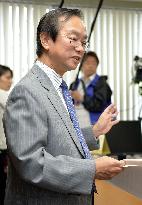
OSAKA, Japan - Hideo Miki, lawyer for Haruko Obokata, a researcher with the government-funded Riken institute, meets reporters in Osaka on June 18, 2014. Miki said Obokata, the lead author of two controversial papers on STAP cells, or stimulus-triggered acquisition of pluripotency cells, is eager to prove on her own that her findings are valid, refuting her research collaborator's recent unsupportive remarks.

  •  
Obokata rejects most recent doubt

Obokata rejects most recent doubt

OSAKA, Japan - Hideo Miki, lawyer for Haruko Obokata, a researcher with the government-funded Riken institute, meets reporters in Osaka on June 18, 2014. Miki said Obokata, the lead author of two controversial papers on STAP cells, or stimulus-triggered acquisition of pluripotency cells, is eager to prove on her own that her findings are valid, refuting her research collaborator's recent unsupportive remarks.

  •  
Obokata's supervisor holds press conference

Obokata's supervisor holds press conference

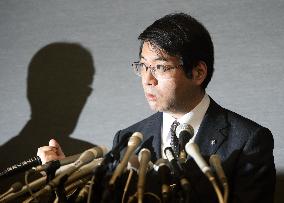
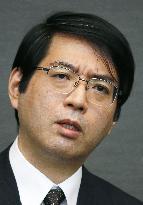
TOKYO, Japan - Yoshiki Sasai, deputy director of the Riken Center for Developmental Biology, holds a press conference in Tokyo on April 16, 2014. Sasai, a veteran scientist who supervised the writing by Haruko Obokata of two controversial papers on STAP cells, apologized for the confusion, concern and sense of mistrust caused by the papers but expressed confidence about the existence of the STAP phenomenon.

  •  
Obokata's supervisor holds press conference

Obokata's supervisor holds press conference

TOKYO, Japan - Yoshiki Sasai, deputy director of the Riken Center for Developmental Biology, holds a press conference in Tokyo on April 16, 2014. Sasai, a veteran scientist who supervised the writing by Haruko Obokata of two controversial papers on STAP cells, apologized for the confusion, concern and sense of mistrust caused by the papers but expressed confidence about the existence of the STAP phenomenon.

  •  
Obokata's supervisor holds press conference

Obokata's supervisor holds press conference

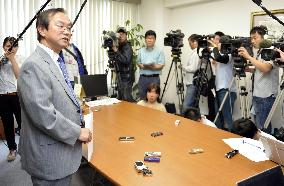
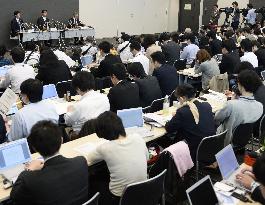
TOKYO, Japan - Photo shows reporters during a press conference in Tokyo by Yoshiki Sasai, deputy director of the Riken Center for Developmental Biology, on April 16, 2014. Sasai, a veteran scientist who supervised the writing by Haruko Obokata of two controversial papers on STAP cells, apologized for the confusion, concern and sense of mistrust caused by the papers but expressed confidence about the existence of the STAP phenomenon.

  •  
Obokata's supervisor holds press conference

Obokata's supervisor holds press conference

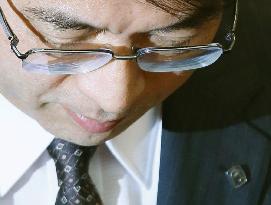
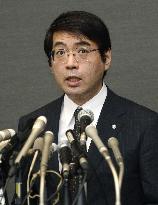
TOKYO, Japan - Yoshiki Sasai, deputy director of the Riken Center for Developmental Biology, holds a press conference in Tokyo on April 16, 2014, wearing a pin of the Japanese government-funded Riken institute. Sasai, a veteran scientist who supervised the writing by Haruko Obokata of two controversial papers on STAP cells, apologized for the confusion, concern and sense of mistrust caused by the papers but expressed confidence about the existence of the STAP phenomenon.

  •  
Obokata's supervisor holds press conference

Obokata's supervisor holds press conference

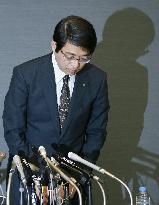
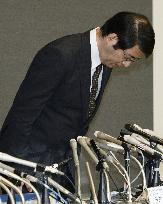
TOKYO, Japan - Yoshiki Sasai, deputy director of the Riken Center for Developmental Biology, apologizes at the start of a press conference in Tokyo on April 16, 2014, wearing a pin of the Japanese government-funded Riken institute. Sasai, a veteran scientist who supervised the writing by Haruko Obokata of two controversial papers on STAP cells, apologized for the confusion, concern and sense of mistrust caused by the papers but expressed confidence about the existence of the STAP phenomenon.

  •  
Obokata's supervisor holds press conference

Obokata's supervisor holds press conference

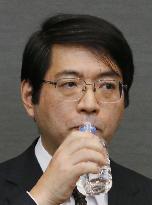
TOKYO, Japan - Yoshiki Sasai, deputy director of the Riken Center for Developmental Biology, drinks water during a press conference in Tokyo on April 16, 2014. Sasai, a veteran scientist who supervised the writing by Haruko Obokata of two controversial papers on STAP cells, apologized for the confusion, concern and sense of mistrust caused by the papers but expressed confidence about the existence of the STAP phenomenon.

  •  
Obokata's supervisor holds press conference

Obokata's supervisor holds press conference

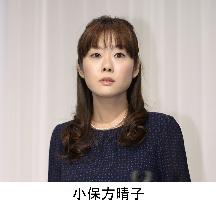
TOKYO, Japan - Photo shows Haruko Obokata, a researcher with the government-funded Riken institute, during a press conference in Osaka on April 9, 2014. Yoshiki Sasai, deputy director of the Riken Center for Developmental Biology, who supervised the writing by Obokata of two controversial papers on STAP cells, held a press conference in Tokyo on April 16 to apologize for the confusion, concern and sense of mistrust caused by the papers but expressed confidence about the existence of the STAP phenomenon.

  •  
Obokata's supervisor holds press conference

Obokata's supervisor holds press conference

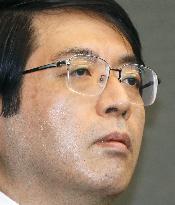
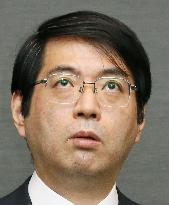
TOKYO, Japan - Yoshiki Sasai, deputy director of the Riken Center for Developmental Biology, is pictured during a press conference in Tokyo on April 16, 2014. Sasai, a veteran scientist who supervised the writing by Haruko Obokata of two controversial papers on STAP cells, apologized for the confusion, concern and sense of mistrust caused by the papers but expressed confidence about the existence of the STAP phenomenon.

  •  
Obokata's supervisor holds press conference

Obokata's supervisor holds press conference

TOKYO, Japan - Yoshiki Sasai, deputy director of the Riken Center for Developmental Biology, is pictured during a press conference in Tokyo on April 16, 2014. Sasai, a veteran scientist who supervised the writing by Haruko Obokata of two controversial papers on STAP cells, apologized for the confusion, concern and sense of mistrust caused by the papers but expressed confidence about the existence of the STAP phenomenon.

  •  
Obokata's supervisor holds press conference

Obokata's supervisor holds press conference

TOKYO, Japan - Yoshiki Sasai, deputy director of the Riken Center for Developmental Biology, is pictured during a press conference in Tokyo on April 16, 2014. Sasai, a veteran scientist who supervised the writing by Haruko Obokata of two controversial papers on STAP cells, apologized for the confusion, concern and sense of mistrust caused by the papers but expressed confidence about the existence of the STAP phenomenon.

  •  
Obokata's supervisor holds press conference

Obokata's supervisor holds press conference

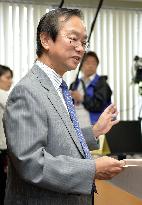
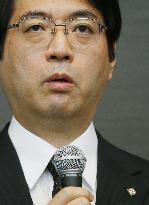
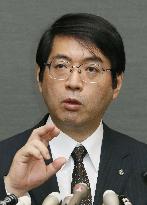
TOKYO, Japan - Yoshiki Sasai, deputy director of the Riken Center for Developmental Biology, speaks at a press conference in Tokyo on April 16, 2014. Sasai, a veteran scientist who supervised the writing by Haruko Obokata of two controversial papers on STAP cells, apologized for the confusion, concern and sense of mistrust caused by the papers but expressed confidence about the existence of the STAP phenomenon.

  •  
Obokata's supervisor holds press conference

Obokata's supervisor holds press conference

TOKYO, Japan - Yoshiki Sasai, deputy director of the Riken Center for Developmental Biology, speaks at a press conference in Tokyo on April 16, 2014. Sasai, a veteran scientist who supervised the writing by Haruko Obokata of two controversial papers on STAP cells, apologized for the confusion, concern and sense of mistrust caused by the papers but expressed confidence about the existence of the STAP phenomenon.

  •  
Obokata's supervisor holds press conference

Obokata's supervisor holds press conference

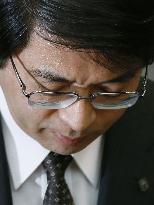
TOKYO, Japan - Yoshiki Sasai, deputy director of the Riken Center for Developmental Biology, apologizes at the start of a press conference in Tokyo on April 16, 2014. Sasai, a veteran scientist who supervised the writing by Haruko Obokata of two controversial papers on STAP cells, apologized for the confusion, concern and sense of mistrust caused by the papers but expressed confidence about the existence of the STAP phenomenon.

  •  
Obokata's supervisor holds press conference

Obokata's supervisor holds press conference

TOKYO, Japan - Yoshiki Sasai, deputy director of the Riken Center for Developmental Biology, apologizes at the start of a press conference in Tokyo on April 16, 2014. Sasai, a veteran scientist who supervised the writing by Haruko Obokata of two controversial papers on STAP cells, apologized for the confusion, concern and sense of mistrust caused by the papers but expressed confidence about the existence of the STAP phenomenon.

  •  
STAP cells paper co-author Sasai commits suicide

STAP cells paper co-author Sasai commits suicide

KOBE, Japan - File photo taken Jan. 28, 2014, in the western Japan city of Kobe shows Yoshiki Sasai (R), deputy director of the Riken Center for Developmental Biology, and Riken scientist Haruko Obokata announcing their research on so-called STAP cells. Sasai, a co-author of STAP research papers, committed suicide on Aug. 5 at Riken. Obokata is the lead author of the two controversial papers. (Kyodo)

  •  
Obokata arrives at Riken to prove STAP cells

Obokata arrives at Riken to prove STAP cells

KOBE, Japan - Haruko Obokata, the lead author of two controversial STAP cell papers, enters Riken's Center for Developmental Biology in Kobe on July 2, 2014, to participate in experiments to verify the findings of her research. Obokata, 30, will participate in the experiments through Nov. 30 to determine if STAP cells can be produced. The institute said it will secure transparency by video recording her experiments and through other means. (Kyodo)

  •  
Obokata arrives at Riken to prove STAP cells

Obokata arrives at Riken to prove STAP cells

KOBE, Japan - Haruko Obokata, the lead author of two controversial STAP cell papers, enters Riken's Center for Developmental Biology in Kobe on July 2, 2014, to participate in experiments to verify the findings of her research. Obokata, 30, will participate in the experiments through Nov. 30 to determine if STAP cells can be produced. The institute said it will secure transparency by video recording her experiments and through other means. (Kyodo)

  •  
Obokata rejects most recent doubt

Obokata rejects most recent doubt

OSAKA, Japan - Hideo Miki, lawyer for Haruko Obokata, a researcher with the government-funded Riken institute, meets reporters in Osaka on June 18, 2014. Miki said Obokata, the lead author of two controversial papers on STAP cells, or stimulus-triggered acquisition of pluripotency cells, is eager to prove on her own that her findings are valid, refuting her research collaborator's recent unsupportive remarks. (Kyodo)

  • Main
  • Top
  • Editorial
  • Creative
  • About Us
  • About ILG
  • Terms of use
  • Company
  • BEHIND
  • Price List
  • Single Plan
  • Monthly Plan
  • Services
  • Shooting
  • Rights Clearance
  • Support
  • FAQ
  • How To Buy
  • Contact Us
  • Become a Partner

© KYODO NEWS IMAGES INC

All Rights Reserved.

  • Editorial
  • Olympics
  • News
  • Sports
  • Japan
  • Tech
  • Royal
  • Disaster
  • NorthKorea
  • Old Japan
  • SNS
  • Creative
  • Food
  • Japan
  • Landscape
  • Animal
  • Popular
  • #Ukraine
  • #China
  • #coronavirus
  • #N. Korea
  • #Russia
  • #Thailand
  • #Ukraine
  • #China
  • #coronavirus
  • #N. Korea
  • #Russia
  • #Thailand
  • Food
  • Japan
  • Landscape
  • Animal
  • Olympics
  • News
  • Sports
  • Japan
  • Tech
  • Royal
  • Disaster
  • NorthKorea
  • Old Japan
  • SNS