•  
Pro-Palestinian Protest - Montauban

Pro-Palestinian Protest - Montauban

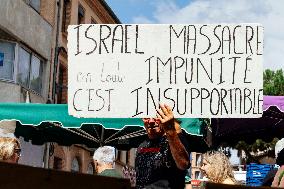
A man walks around the Montauban market every Saturday morning, carrying a placard, Israel massacres with impunity, it s unbearable. Rally against genocide and to demand a ceasefire and an end to Israeli government impunity in Montauban, France on August 2, 2025. Photo by Patricia Huchot-Boissier/ABACAPRESS.COM

  •  
Pro-Palestinian Protest - Montauban

Pro-Palestinian Protest - Montauban

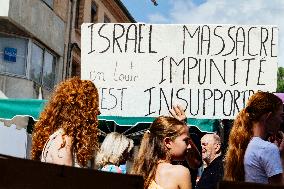
A man walks around the Montauban market every Saturday morning, carrying a placard, Israel massacres with impunity, it s unbearable. Rally against genocide and to demand a ceasefire and an end to Israeli government impunity in Montauban, France on August 2, 2025. Photo by Patricia Huchot-Boissier/ABACAPRESS.COM

  •  
Pro-Palestinian Protest - Montauban

Pro-Palestinian Protest - Montauban

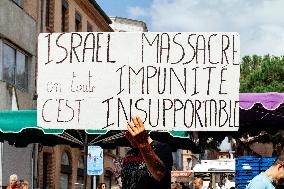
A man walks around the Montauban market every Saturday morning, carrying a placard, Israel massacres with impunity, it s unbearable. Rally against genocide and to demand a ceasefire and an end to Israeli government impunity in Montauban, France on August 2, 2025. Photo by Patricia Huchot-Boissier/ABACAPRESS.COM

  •  
Pro-Palestinian Protest - Montauban

Pro-Palestinian Protest - Montauban

A man walks around the Montauban market every Saturday morning, carrying a placard, Israel massacres with impunity, it s unbearable. Rally against genocide and to demand a ceasefire and an end to Israeli government impunity in Montauban, France on August 2, 2025. Photo by Patricia Huchot-Boissier/ABACAPRESS.COM

  •  

ICRC sows seeds of hope for displaced people in Cameroon's Far North region

STORY: ICRC sows seeds of hope for displaced people in Cameroon's Far North region SHOOTING TIME: June 13, 2024 DATELINE: June 21, 2024 LENGTH: 0:02:27 LOCATION: Yaounde CATEGORY: SOCIETY SHOTLIST: 1. various of displaced people in Hile Alifa 2. various of Abaicho Boukar 3. SOUNDBITE 1 (French): ABAICHO BOUKAR, Displaced person 4. various of Feda Matna 5. SOUNDBITE 2 (French): FEDA MATNA, Displaced person 6. various of Arsene Kouame 7. SOUNDBITE 3 (French): ARSENE KOUAME, ICRC agricultural engineer STORYLINE: In Hile Alifa, a locality in Logone-et-Chari division of Cameroon's Far North region, hundreds of displaced people live in a sprawling mass of shelter made of wood and tall grass. Abaicho Boukar is one of them. He fled with his two wives and children after gunmen invaded his village, Karina, and inflicted pain and suffering on the villagers. They hoped to find peace and sanctuary when they arrived at Hile Alifa, but again, life became unbearable. More than 80 percent of the population in the region

  •  
Bangladesh Swelters In Scorching Heat - Dhaka

Bangladesh Swelters In Scorching Heat - Dhaka

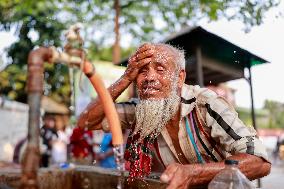
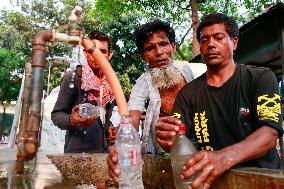
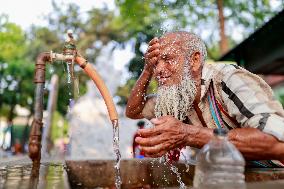
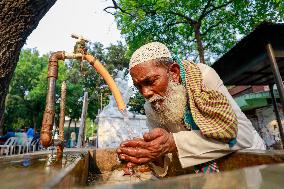
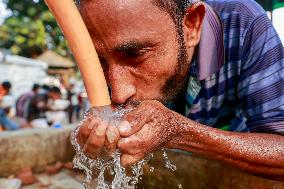
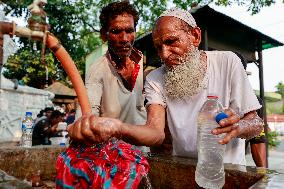
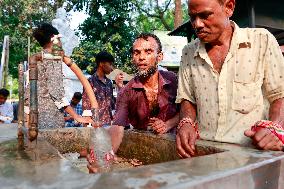
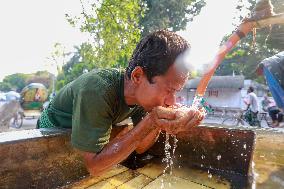
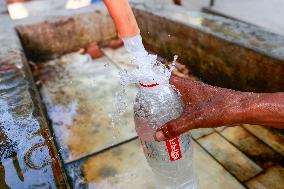
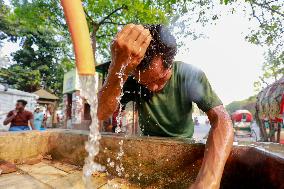
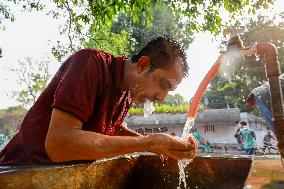
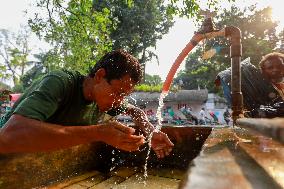
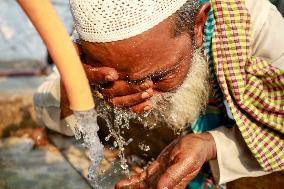
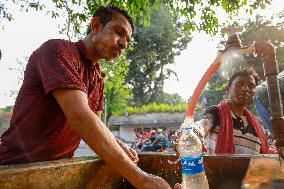
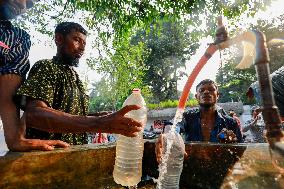
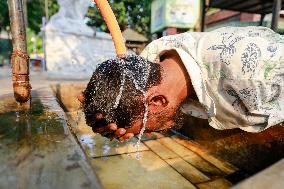
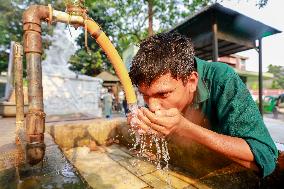
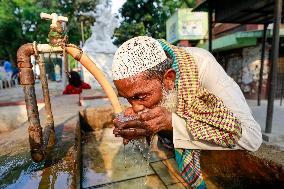
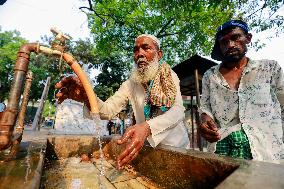
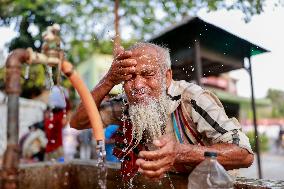
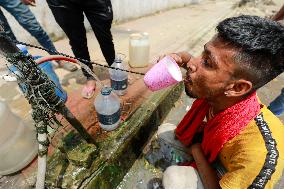
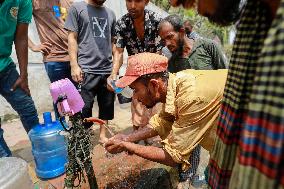
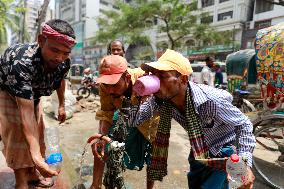
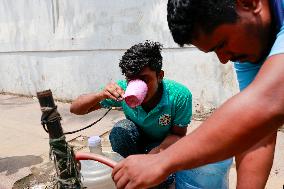
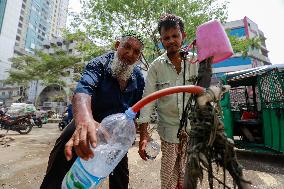
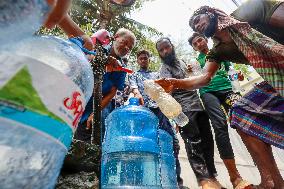
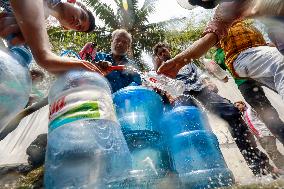
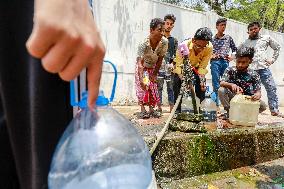
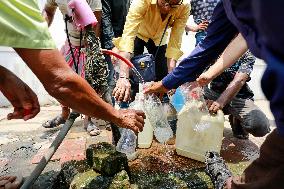
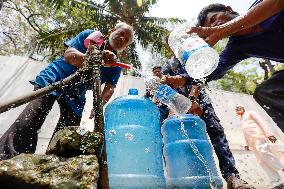
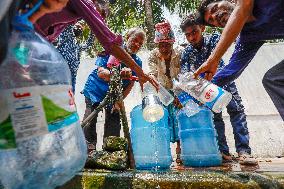
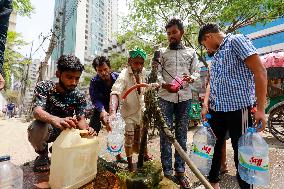
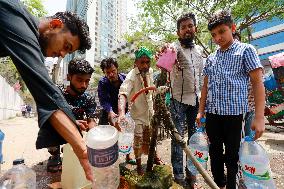
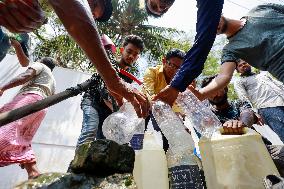
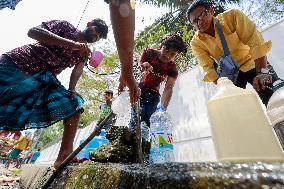
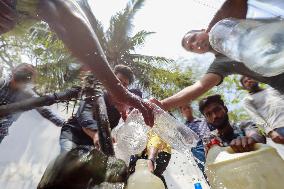
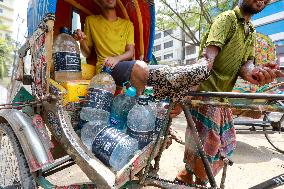
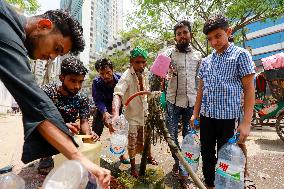
People use roadside tap water to cool down themselves during the heat wave in Dhaka, Bangladesh, April 26, 2024. The country's capital, Dhaka, saw the temperature reach 40.6 degrees Celsius (105.1 degrees Fahrenheit) on April 16, the highest in 58 years, making people's lives unbearable for more than a week with low humidity in the air, according to Bangladesh Meteorological Department (BMD) officials. Five types of gas layers have been created in Dhaka's air. These gases have been produced from garbage dumps, brick kilns, vehicles and the fumes emitting from industries. These gases are increasing the temperature of Dhaka's air and the ground. Added to the heat wave, these harmful gases are making Dhaka weather intolerable. These observations were made in two recent surveys conducted by a group of scientists. Photo by Suvra Kanti Das/ABACAPRESS.COM

  •  
Bangladesh Swelters In Scorching Heat - Dhaka

Bangladesh Swelters In Scorching Heat - Dhaka

People use roadside tap water to cool down themselves during the heat wave in Dhaka, Bangladesh, April 26, 2024. The country's capital, Dhaka, saw the temperature reach 40.6 degrees Celsius (105.1 degrees Fahrenheit) on April 16, the highest in 58 years, making people's lives unbearable for more than a week with low humidity in the air, according to Bangladesh Meteorological Department (BMD) officials. Five types of gas layers have been created in Dhaka's air. These gases have been produced from garbage dumps, brick kilns, vehicles and the fumes emitting from industries. These gases are increasing the temperature of Dhaka's air and the ground. Added to the heat wave, these harmful gases are making Dhaka weather intolerable. These observations were made in two recent surveys conducted by a group of scientists. Photo by Suvra Kanti Das/ABACAPRESS.COM

  •  
Bangladesh Swelters In Scorching Heat - Dhaka

Bangladesh Swelters In Scorching Heat - Dhaka

People use roadside tap water to cool down themselves during the heat wave in Dhaka, Bangladesh, April 26, 2024. The country's capital, Dhaka, saw the temperature reach 40.6 degrees Celsius (105.1 degrees Fahrenheit) on April 16, the highest in 58 years, making people's lives unbearable for more than a week with low humidity in the air, according to Bangladesh Meteorological Department (BMD) officials. Five types of gas layers have been created in Dhaka's air. These gases have been produced from garbage dumps, brick kilns, vehicles and the fumes emitting from industries. These gases are increasing the temperature of Dhaka's air and the ground. Added to the heat wave, these harmful gases are making Dhaka weather intolerable. These observations were made in two recent surveys conducted by a group of scientists. Photo by Suvra Kanti Das/ABACAPRESS.COM

  •  
Bangladesh Swelters In Scorching Heat - Dhaka

Bangladesh Swelters In Scorching Heat - Dhaka

People use roadside tap water to cool down themselves during the heat wave in Dhaka, Bangladesh, April 26, 2024. The country's capital, Dhaka, saw the temperature reach 40.6 degrees Celsius (105.1 degrees Fahrenheit) on April 16, the highest in 58 years, making people's lives unbearable for more than a week with low humidity in the air, according to Bangladesh Meteorological Department (BMD) officials. Five types of gas layers have been created in Dhaka's air. These gases have been produced from garbage dumps, brick kilns, vehicles and the fumes emitting from industries. These gases are increasing the temperature of Dhaka's air and the ground. Added to the heat wave, these harmful gases are making Dhaka weather intolerable. These observations were made in two recent surveys conducted by a group of scientists. Photo by Suvra Kanti Das/ABACAPRESS.COM

  •  
Bangladesh Swelters In Scorching Heat - Dhaka

Bangladesh Swelters In Scorching Heat - Dhaka

People use roadside tap water to cool down themselves during the heat wave in Dhaka, Bangladesh, April 26, 2024. The country's capital, Dhaka, saw the temperature reach 40.6 degrees Celsius (105.1 degrees Fahrenheit) on April 16, the highest in 58 years, making people's lives unbearable for more than a week with low humidity in the air, according to Bangladesh Meteorological Department (BMD) officials. Five types of gas layers have been created in Dhaka's air. These gases have been produced from garbage dumps, brick kilns, vehicles and the fumes emitting from industries. These gases are increasing the temperature of Dhaka's air and the ground. Added to the heat wave, these harmful gases are making Dhaka weather intolerable. These observations were made in two recent surveys conducted by a group of scientists. Photo by Suvra Kanti Das/ABACAPRESS.COM

  •  
Bangladesh Swelters In Scorching Heat - Dhaka

Bangladesh Swelters In Scorching Heat - Dhaka

People use roadside tap water to cool down themselves during the heat wave in Dhaka, Bangladesh, April 26, 2024. The country's capital, Dhaka, saw the temperature reach 40.6 degrees Celsius (105.1 degrees Fahrenheit) on April 16, the highest in 58 years, making people's lives unbearable for more than a week with low humidity in the air, according to Bangladesh Meteorological Department (BMD) officials. Five types of gas layers have been created in Dhaka's air. These gases have been produced from garbage dumps, brick kilns, vehicles and the fumes emitting from industries. These gases are increasing the temperature of Dhaka's air and the ground. Added to the heat wave, these harmful gases are making Dhaka weather intolerable. These observations were made in two recent surveys conducted by a group of scientists. Photo by Suvra Kanti Das/ABACAPRESS.COM

  •  
Bangladesh Swelters In Scorching Heat - Dhaka

Bangladesh Swelters In Scorching Heat - Dhaka

People use roadside tap water to cool down themselves during the heat wave in Dhaka, Bangladesh, April 26, 2024. The country's capital, Dhaka, saw the temperature reach 40.6 degrees Celsius (105.1 degrees Fahrenheit) on April 16, the highest in 58 years, making people's lives unbearable for more than a week with low humidity in the air, according to Bangladesh Meteorological Department (BMD) officials. Five types of gas layers have been created in Dhaka's air. These gases have been produced from garbage dumps, brick kilns, vehicles and the fumes emitting from industries. These gases are increasing the temperature of Dhaka's air and the ground. Added to the heat wave, these harmful gases are making Dhaka weather intolerable. These observations were made in two recent surveys conducted by a group of scientists. Photo by Suvra Kanti Das/ABACAPRESS.COM

  •  
Bangladesh Swelters In Scorching Heat - Dhaka

Bangladesh Swelters In Scorching Heat - Dhaka

People use roadside tap water to cool down themselves during the heat wave in Dhaka, Bangladesh, April 26, 2024. The country's capital, Dhaka, saw the temperature reach 40.6 degrees Celsius (105.1 degrees Fahrenheit) on April 16, the highest in 58 years, making people's lives unbearable for more than a week with low humidity in the air, according to Bangladesh Meteorological Department (BMD) officials. Five types of gas layers have been created in Dhaka's air. These gases have been produced from garbage dumps, brick kilns, vehicles and the fumes emitting from industries. These gases are increasing the temperature of Dhaka's air and the ground. Added to the heat wave, these harmful gases are making Dhaka weather intolerable. These observations were made in two recent surveys conducted by a group of scientists. Photo by Suvra Kanti Das/ABACAPRESS.COM

  •  
Bangladesh Swelters In Scorching Heat - Dhaka

Bangladesh Swelters In Scorching Heat - Dhaka

People use roadside tap water to cool down themselves during the heat wave in Dhaka, Bangladesh, April 26, 2024. The country's capital, Dhaka, saw the temperature reach 40.6 degrees Celsius (105.1 degrees Fahrenheit) on April 16, the highest in 58 years, making people's lives unbearable for more than a week with low humidity in the air, according to Bangladesh Meteorological Department (BMD) officials. Five types of gas layers have been created in Dhaka's air. These gases have been produced from garbage dumps, brick kilns, vehicles and the fumes emitting from industries. These gases are increasing the temperature of Dhaka's air and the ground. Added to the heat wave, these harmful gases are making Dhaka weather intolerable. These observations were made in two recent surveys conducted by a group of scientists. Photo by Suvra Kanti Das/ABACAPRESS.COM

  •  
Bangladesh Swelters In Scorching Heat - Dhaka

Bangladesh Swelters In Scorching Heat - Dhaka

People use roadside tap water to cool down themselves during the heat wave in Dhaka, Bangladesh, April 26, 2024. The country's capital, Dhaka, saw the temperature reach 40.6 degrees Celsius (105.1 degrees Fahrenheit) on April 16, the highest in 58 years, making people's lives unbearable for more than a week with low humidity in the air, according to Bangladesh Meteorological Department (BMD) officials. Five types of gas layers have been created in Dhaka's air. These gases have been produced from garbage dumps, brick kilns, vehicles and the fumes emitting from industries. These gases are increasing the temperature of Dhaka's air and the ground. Added to the heat wave, these harmful gases are making Dhaka weather intolerable. These observations were made in two recent surveys conducted by a group of scientists. Photo by Suvra Kanti Das/ABACAPRESS.COM

  •  
Bangladesh Swelters In Scorching Heat - Dhaka

Bangladesh Swelters In Scorching Heat - Dhaka

People use roadside tap water to cool down themselves during the heat wave in Dhaka, Bangladesh, April 26, 2024. The country's capital, Dhaka, saw the temperature reach 40.6 degrees Celsius (105.1 degrees Fahrenheit) on April 16, the highest in 58 years, making people's lives unbearable for more than a week with low humidity in the air, according to Bangladesh Meteorological Department (BMD) officials. Five types of gas layers have been created in Dhaka's air. These gases have been produced from garbage dumps, brick kilns, vehicles and the fumes emitting from industries. These gases are increasing the temperature of Dhaka's air and the ground. Added to the heat wave, these harmful gases are making Dhaka weather intolerable. These observations were made in two recent surveys conducted by a group of scientists. Photo by Suvra Kanti Das/ABACAPRESS.COM

  •  
Bangladesh Swelters In Scorching Heat - Dhaka

Bangladesh Swelters In Scorching Heat - Dhaka

People use roadside tap water to cool down themselves during the heat wave in Dhaka, Bangladesh, April 26, 2024. The country's capital, Dhaka, saw the temperature reach 40.6 degrees Celsius (105.1 degrees Fahrenheit) on April 16, the highest in 58 years, making people's lives unbearable for more than a week with low humidity in the air, according to Bangladesh Meteorological Department (BMD) officials. Five types of gas layers have been created in Dhaka's air. These gases have been produced from garbage dumps, brick kilns, vehicles and the fumes emitting from industries. These gases are increasing the temperature of Dhaka's air and the ground. Added to the heat wave, these harmful gases are making Dhaka weather intolerable. These observations were made in two recent surveys conducted by a group of scientists. Photo by Suvra Kanti Das/ABACAPRESS.COM

  •  
Bangladesh Swelters In Scorching Heat - Dhaka

Bangladesh Swelters In Scorching Heat - Dhaka

People use roadside tap water to cool down themselves during the heat wave in Dhaka, Bangladesh, April 26, 2024. The country's capital, Dhaka, saw the temperature reach 40.6 degrees Celsius (105.1 degrees Fahrenheit) on April 16, the highest in 58 years, making people's lives unbearable for more than a week with low humidity in the air, according to Bangladesh Meteorological Department (BMD) officials. Five types of gas layers have been created in Dhaka's air. These gases have been produced from garbage dumps, brick kilns, vehicles and the fumes emitting from industries. These gases are increasing the temperature of Dhaka's air and the ground. Added to the heat wave, these harmful gases are making Dhaka weather intolerable. These observations were made in two recent surveys conducted by a group of scientists. Photo by Suvra Kanti Das/ABACAPRESS.COM

  •  
Bangladesh Swelters In Scorching Heat - Dhaka

Bangladesh Swelters In Scorching Heat - Dhaka

People use roadside tap water to cool down themselves during the heat wave in Dhaka, Bangladesh, April 26, 2024. The country's capital, Dhaka, saw the temperature reach 40.6 degrees Celsius (105.1 degrees Fahrenheit) on April 16, the highest in 58 years, making people's lives unbearable for more than a week with low humidity in the air, according to Bangladesh Meteorological Department (BMD) officials. Five types of gas layers have been created in Dhaka's air. These gases have been produced from garbage dumps, brick kilns, vehicles and the fumes emitting from industries. These gases are increasing the temperature of Dhaka's air and the ground. Added to the heat wave, these harmful gases are making Dhaka weather intolerable. These observations were made in two recent surveys conducted by a group of scientists. Photo by Suvra Kanti Das/ABACAPRESS.COM

  •  
Bangladesh Swelters In Scorching Heat - Dhaka

Bangladesh Swelters In Scorching Heat - Dhaka

People use roadside tap water to cool down themselves during the heat wave in Dhaka, Bangladesh, April 26, 2024. The country's capital, Dhaka, saw the temperature reach 40.6 degrees Celsius (105.1 degrees Fahrenheit) on April 16, the highest in 58 years, making people's lives unbearable for more than a week with low humidity in the air, according to Bangladesh Meteorological Department (BMD) officials. Five types of gas layers have been created in Dhaka's air. These gases have been produced from garbage dumps, brick kilns, vehicles and the fumes emitting from industries. These gases are increasing the temperature of Dhaka's air and the ground. Added to the heat wave, these harmful gases are making Dhaka weather intolerable. These observations were made in two recent surveys conducted by a group of scientists. Photo by Suvra Kanti Das/ABACAPRESS.COM

  •  
Bangladesh Swelters In Scorching Heat - Dhaka

Bangladesh Swelters In Scorching Heat - Dhaka

People use roadside tap water to cool down themselves during the heat wave in Dhaka, Bangladesh, April 26, 2024. The country's capital, Dhaka, saw the temperature reach 40.6 degrees Celsius (105.1 degrees Fahrenheit) on April 16, the highest in 58 years, making people's lives unbearable for more than a week with low humidity in the air, according to Bangladesh Meteorological Department (BMD) officials. Five types of gas layers have been created in Dhaka's air. These gases have been produced from garbage dumps, brick kilns, vehicles and the fumes emitting from industries. These gases are increasing the temperature of Dhaka's air and the ground. Added to the heat wave, these harmful gases are making Dhaka weather intolerable. These observations were made in two recent surveys conducted by a group of scientists. Photo by Suvra Kanti Das/ABACAPRESS.COM

  •  
Bangladesh Swelters In Scorching Heat - Dhaka

Bangladesh Swelters In Scorching Heat - Dhaka

People use roadside tap water to cool down themselves during the heat wave in Dhaka, Bangladesh, April 26, 2024. The country's capital, Dhaka, saw the temperature reach 40.6 degrees Celsius (105.1 degrees Fahrenheit) on April 16, the highest in 58 years, making people's lives unbearable for more than a week with low humidity in the air, according to Bangladesh Meteorological Department (BMD) officials. Five types of gas layers have been created in Dhaka's air. These gases have been produced from garbage dumps, brick kilns, vehicles and the fumes emitting from industries. These gases are increasing the temperature of Dhaka's air and the ground. Added to the heat wave, these harmful gases are making Dhaka weather intolerable. These observations were made in two recent surveys conducted by a group of scientists. Photo by Suvra Kanti Das/ABACAPRESS.COM

  •  
Bangladesh Swelters In Scorching Heat - Dhaka

Bangladesh Swelters In Scorching Heat - Dhaka

People use roadside tap water to cool down themselves during the heat wave in Dhaka, Bangladesh, April 26, 2024. The country's capital, Dhaka, saw the temperature reach 40.6 degrees Celsius (105.1 degrees Fahrenheit) on April 16, the highest in 58 years, making people's lives unbearable for more than a week with low humidity in the air, according to Bangladesh Meteorological Department (BMD) officials. Five types of gas layers have been created in Dhaka's air. These gases have been produced from garbage dumps, brick kilns, vehicles and the fumes emitting from industries. These gases are increasing the temperature of Dhaka's air and the ground. Added to the heat wave, these harmful gases are making Dhaka weather intolerable. These observations were made in two recent surveys conducted by a group of scientists. Photo by Suvra Kanti Das/ABACAPRESS.COM

  •  
Bangladesh Swelters In Scorching Heat - Dhaka

Bangladesh Swelters In Scorching Heat - Dhaka

People use roadside tap water to cool down themselves during the heat wave in Dhaka, Bangladesh, April 26, 2024. The country's capital, Dhaka, saw the temperature reach 40.6 degrees Celsius (105.1 degrees Fahrenheit) on April 16, the highest in 58 years, making people's lives unbearable for more than a week with low humidity in the air, according to Bangladesh Meteorological Department (BMD) officials. Five types of gas layers have been created in Dhaka's air. These gases have been produced from garbage dumps, brick kilns, vehicles and the fumes emitting from industries. These gases are increasing the temperature of Dhaka's air and the ground. Added to the heat wave, these harmful gases are making Dhaka weather intolerable. These observations were made in two recent surveys conducted by a group of scientists. Photo by Suvra Kanti Das/ABACAPRESS.COM

  •  
Bangladesh Swelters In Scorching Heat - Dhaka

Bangladesh Swelters In Scorching Heat - Dhaka

People use roadside tap water to cool down themselves during the heat wave in Dhaka, Bangladesh, April 26, 2024. The country's capital, Dhaka, saw the temperature reach 40.6 degrees Celsius (105.1 degrees Fahrenheit) on April 16, the highest in 58 years, making people's lives unbearable for more than a week with low humidity in the air, according to Bangladesh Meteorological Department (BMD) officials. Five types of gas layers have been created in Dhaka's air. These gases have been produced from garbage dumps, brick kilns, vehicles and the fumes emitting from industries. These gases are increasing the temperature of Dhaka's air and the ground. Added to the heat wave, these harmful gases are making Dhaka weather intolerable. These observations were made in two recent surveys conducted by a group of scientists. Photo by Suvra Kanti Das/ABACAPRESS.COM

  •  
Water Crisis In The Hot Summer Day - Bangladesh

Water Crisis In The Hot Summer Day - Bangladesh

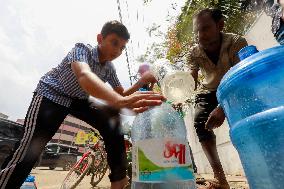
During the hot summer day Bangladeshi people collect drinking water from a street side water supply, in Dhaka, Bangladesh, April 22, 2024. The country’s capital, Dhaka, saw the temperature reach 40.6° Celsius (105.1° Fahrenheit) on April 16, the highest in 58 years, making people’s lives unbearable for more than a week with low humidity in the air, according to Bangladesh Meteorological Department (BMD) officials. Five types of gas layers have been created in Dhaka’s air. These gases have been produced from garbage dumps, brick kilns, vehicles and the fumes emitting from industries. These gases are increasing the temperature of Dhaka’s air and the ground. Added to the heat wave, these harmful gases are making Dhaka weather intolerable. These observations were made in two recent surveys conducted by a group of scientists. Photo by Suvra Kanti Das/ABACAPRESS.COM

  •  
Water Crisis In The Hot Summer Day - Bangladesh

Water Crisis In The Hot Summer Day - Bangladesh

During the hot summer day Bangladeshi people collect drinking water from a street side water supply, in Dhaka, Bangladesh, April 22, 2024. The country’s capital, Dhaka, saw the temperature reach 40.6° Celsius (105.1° Fahrenheit) on April 16, the highest in 58 years, making people’s lives unbearable for more than a week with low humidity in the air, according to Bangladesh Meteorological Department (BMD) officials. Five types of gas layers have been created in Dhaka’s air. These gases have been produced from garbage dumps, brick kilns, vehicles and the fumes emitting from industries. These gases are increasing the temperature of Dhaka’s air and the ground. Added to the heat wave, these harmful gases are making Dhaka weather intolerable. These observations were made in two recent surveys conducted by a group of scientists. Photo by Suvra Kanti Das/ABACAPRESS.COM

  •  
Water Crisis In The Hot Summer Day - Bangladesh

Water Crisis In The Hot Summer Day - Bangladesh

During the hot summer day Bangladeshi people collect drinking water from a street side water supply, in Dhaka, Bangladesh, April 22, 2024. The country’s capital, Dhaka, saw the temperature reach 40.6° Celsius (105.1° Fahrenheit) on April 16, the highest in 58 years, making people’s lives unbearable for more than a week with low humidity in the air, according to Bangladesh Meteorological Department (BMD) officials. Five types of gas layers have been created in Dhaka’s air. These gases have been produced from garbage dumps, brick kilns, vehicles and the fumes emitting from industries. These gases are increasing the temperature of Dhaka’s air and the ground. Added to the heat wave, these harmful gases are making Dhaka weather intolerable. These observations were made in two recent surveys conducted by a group of scientists. Photo by Suvra Kanti Das/ABACAPRESS.COM

  •  
Water Crisis In The Hot Summer Day - Bangladesh

Water Crisis In The Hot Summer Day - Bangladesh

During the hot summer day Bangladeshi people collect drinking water from a street side water supply, in Dhaka, Bangladesh, April 22, 2024. The country’s capital, Dhaka, saw the temperature reach 40.6° Celsius (105.1° Fahrenheit) on April 16, the highest in 58 years, making people’s lives unbearable for more than a week with low humidity in the air, according to Bangladesh Meteorological Department (BMD) officials. Five types of gas layers have been created in Dhaka’s air. These gases have been produced from garbage dumps, brick kilns, vehicles and the fumes emitting from industries. These gases are increasing the temperature of Dhaka’s air and the ground. Added to the heat wave, these harmful gases are making Dhaka weather intolerable. These observations were made in two recent surveys conducted by a group of scientists. Photo by Suvra Kanti Das/ABACAPRESS.COM

  •  
Water Crisis In The Hot Summer Day - Bangladesh

Water Crisis In The Hot Summer Day - Bangladesh

During the hot summer day Bangladeshi people collect drinking water from a street side water supply, in Dhaka, Bangladesh, April 22, 2024. The country’s capital, Dhaka, saw the temperature reach 40.6° Celsius (105.1° Fahrenheit) on April 16, the highest in 58 years, making people’s lives unbearable for more than a week with low humidity in the air, according to Bangladesh Meteorological Department (BMD) officials. Five types of gas layers have been created in Dhaka’s air. These gases have been produced from garbage dumps, brick kilns, vehicles and the fumes emitting from industries. These gases are increasing the temperature of Dhaka’s air and the ground. Added to the heat wave, these harmful gases are making Dhaka weather intolerable. These observations were made in two recent surveys conducted by a group of scientists. Photo by Suvra Kanti Das/ABACAPRESS.COM

  •  
Water Crisis In The Hot Summer Day - Bangladesh

Water Crisis In The Hot Summer Day - Bangladesh

During the hot summer day Bangladeshi people collect drinking water from a street side water supply, in Dhaka, Bangladesh, April 22, 2024. The country’s capital, Dhaka, saw the temperature reach 40.6° Celsius (105.1° Fahrenheit) on April 16, the highest in 58 years, making people’s lives unbearable for more than a week with low humidity in the air, according to Bangladesh Meteorological Department (BMD) officials. Five types of gas layers have been created in Dhaka’s air. These gases have been produced from garbage dumps, brick kilns, vehicles and the fumes emitting from industries. These gases are increasing the temperature of Dhaka’s air and the ground. Added to the heat wave, these harmful gases are making Dhaka weather intolerable. These observations were made in two recent surveys conducted by a group of scientists. Photo by Suvra Kanti Das/ABACAPRESS.COM

  •  
Water Crisis In The Hot Summer Day - Bangladesh

Water Crisis In The Hot Summer Day - Bangladesh

During the hot summer day Bangladeshi people collect drinking water from a street side water supply, in Dhaka, Bangladesh, April 22, 2024. The country’s capital, Dhaka, saw the temperature reach 40.6° Celsius (105.1° Fahrenheit) on April 16, the highest in 58 years, making people’s lives unbearable for more than a week with low humidity in the air, according to Bangladesh Meteorological Department (BMD) officials. Five types of gas layers have been created in Dhaka’s air. These gases have been produced from garbage dumps, brick kilns, vehicles and the fumes emitting from industries. These gases are increasing the temperature of Dhaka’s air and the ground. Added to the heat wave, these harmful gases are making Dhaka weather intolerable. These observations were made in two recent surveys conducted by a group of scientists. Photo by Suvra Kanti Das/ABACAPRESS.COM

  •  
Water Crisis In The Hot Summer Day - Bangladesh

Water Crisis In The Hot Summer Day - Bangladesh

During the hot summer day Bangladeshi people collect drinking water from a street side water supply, in Dhaka, Bangladesh, April 22, 2024. The country’s capital, Dhaka, saw the temperature reach 40.6° Celsius (105.1° Fahrenheit) on April 16, the highest in 58 years, making people’s lives unbearable for more than a week with low humidity in the air, according to Bangladesh Meteorological Department (BMD) officials. Five types of gas layers have been created in Dhaka’s air. These gases have been produced from garbage dumps, brick kilns, vehicles and the fumes emitting from industries. These gases are increasing the temperature of Dhaka’s air and the ground. Added to the heat wave, these harmful gases are making Dhaka weather intolerable. These observations were made in two recent surveys conducted by a group of scientists. Photo by Suvra Kanti Das/ABACAPRESS.COM

  •  
Water Crisis In The Hot Summer Day - Bangladesh

Water Crisis In The Hot Summer Day - Bangladesh

During the hot summer day Bangladeshi people collect drinking water from a street side water supply, in Dhaka, Bangladesh, April 22, 2024. The country’s capital, Dhaka, saw the temperature reach 40.6° Celsius (105.1° Fahrenheit) on April 16, the highest in 58 years, making people’s lives unbearable for more than a week with low humidity in the air, according to Bangladesh Meteorological Department (BMD) officials. Five types of gas layers have been created in Dhaka’s air. These gases have been produced from garbage dumps, brick kilns, vehicles and the fumes emitting from industries. These gases are increasing the temperature of Dhaka’s air and the ground. Added to the heat wave, these harmful gases are making Dhaka weather intolerable. These observations were made in two recent surveys conducted by a group of scientists. Photo by Suvra Kanti Das/ABACAPRESS.COM

  •  
Water Crisis In The Hot Summer Day - Bangladesh

Water Crisis In The Hot Summer Day - Bangladesh

During the hot summer day Bangladeshi people collect drinking water from a street side water supply, in Dhaka, Bangladesh, April 22, 2024. The country’s capital, Dhaka, saw the temperature reach 40.6° Celsius (105.1° Fahrenheit) on April 16, the highest in 58 years, making people’s lives unbearable for more than a week with low humidity in the air, according to Bangladesh Meteorological Department (BMD) officials. Five types of gas layers have been created in Dhaka’s air. These gases have been produced from garbage dumps, brick kilns, vehicles and the fumes emitting from industries. These gases are increasing the temperature of Dhaka’s air and the ground. Added to the heat wave, these harmful gases are making Dhaka weather intolerable. These observations were made in two recent surveys conducted by a group of scientists. Photo by Suvra Kanti Das/ABACAPRESS.COM

  •  
Water Crisis In The Hot Summer Day - Bangladesh

Water Crisis In The Hot Summer Day - Bangladesh

During the hot summer day Bangladeshi people collect drinking water from a street side water supply, in Dhaka, Bangladesh, April 22, 2024. The country’s capital, Dhaka, saw the temperature reach 40.6° Celsius (105.1° Fahrenheit) on April 16, the highest in 58 years, making people’s lives unbearable for more than a week with low humidity in the air, according to Bangladesh Meteorological Department (BMD) officials. Five types of gas layers have been created in Dhaka’s air. These gases have been produced from garbage dumps, brick kilns, vehicles and the fumes emitting from industries. These gases are increasing the temperature of Dhaka’s air and the ground. Added to the heat wave, these harmful gases are making Dhaka weather intolerable. These observations were made in two recent surveys conducted by a group of scientists. Photo by Suvra Kanti Das/ABACAPRESS.COM

  •  
Water Crisis In The Hot Summer Day - Bangladesh

Water Crisis In The Hot Summer Day - Bangladesh

During the hot summer day Bangladeshi people collect drinking water from a street side water supply, in Dhaka, Bangladesh, April 22, 2024. The country’s capital, Dhaka, saw the temperature reach 40.6° Celsius (105.1° Fahrenheit) on April 16, the highest in 58 years, making people’s lives unbearable for more than a week with low humidity in the air, according to Bangladesh Meteorological Department (BMD) officials. Five types of gas layers have been created in Dhaka’s air. These gases have been produced from garbage dumps, brick kilns, vehicles and the fumes emitting from industries. These gases are increasing the temperature of Dhaka’s air and the ground. Added to the heat wave, these harmful gases are making Dhaka weather intolerable. These observations were made in two recent surveys conducted by a group of scientists. Photo by Suvra Kanti Das/ABACAPRESS.COM

  •  
Water Crisis In The Hot Summer Day - Bangladesh

Water Crisis In The Hot Summer Day - Bangladesh

During the hot summer day Bangladeshi people collect drinking water from a street side water supply, in Dhaka, Bangladesh, April 22, 2024. The country’s capital, Dhaka, saw the temperature reach 40.6° Celsius (105.1° Fahrenheit) on April 16, the highest in 58 years, making people’s lives unbearable for more than a week with low humidity in the air, according to Bangladesh Meteorological Department (BMD) officials. Five types of gas layers have been created in Dhaka’s air. These gases have been produced from garbage dumps, brick kilns, vehicles and the fumes emitting from industries. These gases are increasing the temperature of Dhaka’s air and the ground. Added to the heat wave, these harmful gases are making Dhaka weather intolerable. These observations were made in two recent surveys conducted by a group of scientists. Photo by Suvra Kanti Das/ABACAPRESS.COM

  •  
Water Crisis In The Hot Summer Day - Bangladesh

Water Crisis In The Hot Summer Day - Bangladesh

During the hot summer day Bangladeshi people collect drinking water from a street side water supply, in Dhaka, Bangladesh, April 22, 2024. The country’s capital, Dhaka, saw the temperature reach 40.6° Celsius (105.1° Fahrenheit) on April 16, the highest in 58 years, making people’s lives unbearable for more than a week with low humidity in the air, according to Bangladesh Meteorological Department (BMD) officials. Five types of gas layers have been created in Dhaka’s air. These gases have been produced from garbage dumps, brick kilns, vehicles and the fumes emitting from industries. These gases are increasing the temperature of Dhaka’s air and the ground. Added to the heat wave, these harmful gases are making Dhaka weather intolerable. These observations were made in two recent surveys conducted by a group of scientists. Photo by Suvra Kanti Das/ABACAPRESS.COM

  •  
Water Crisis In The Hot Summer Day - Bangladesh

Water Crisis In The Hot Summer Day - Bangladesh

During the hot summer day Bangladeshi people collect drinking water from a street side water supply, in Dhaka, Bangladesh, April 22, 2024. The country’s capital, Dhaka, saw the temperature reach 40.6° Celsius (105.1° Fahrenheit) on April 16, the highest in 58 years, making people’s lives unbearable for more than a week with low humidity in the air, according to Bangladesh Meteorological Department (BMD) officials. Five types of gas layers have been created in Dhaka’s air. These gases have been produced from garbage dumps, brick kilns, vehicles and the fumes emitting from industries. These gases are increasing the temperature of Dhaka’s air and the ground. Added to the heat wave, these harmful gases are making Dhaka weather intolerable. These observations were made in two recent surveys conducted by a group of scientists. Photo by Suvra Kanti Das/ABACAPRESS.COM

  •  
Water Crisis In The Hot Summer Day - Bangladesh

Water Crisis In The Hot Summer Day - Bangladesh

During the hot summer day Bangladeshi people collect drinking water from a street side water supply, in Dhaka, Bangladesh, April 22, 2024. The country’s capital, Dhaka, saw the temperature reach 40.6° Celsius (105.1° Fahrenheit) on April 16, the highest in 58 years, making people’s lives unbearable for more than a week with low humidity in the air, according to Bangladesh Meteorological Department (BMD) officials. Five types of gas layers have been created in Dhaka’s air. These gases have been produced from garbage dumps, brick kilns, vehicles and the fumes emitting from industries. These gases are increasing the temperature of Dhaka’s air and the ground. Added to the heat wave, these harmful gases are making Dhaka weather intolerable. These observations were made in two recent surveys conducted by a group of scientists. Photo by Suvra Kanti Das/ABACAPRESS.COM

  •  
Water Crisis In The Hot Summer Day - Bangladesh

Water Crisis In The Hot Summer Day - Bangladesh

During the hot summer day Bangladeshi people collect drinking water from a street side water supply, in Dhaka, Bangladesh, April 22, 2024. The country’s capital, Dhaka, saw the temperature reach 40.6° Celsius (105.1° Fahrenheit) on April 16, the highest in 58 years, making people’s lives unbearable for more than a week with low humidity in the air, according to Bangladesh Meteorological Department (BMD) officials. Five types of gas layers have been created in Dhaka’s air. These gases have been produced from garbage dumps, brick kilns, vehicles and the fumes emitting from industries. These gases are increasing the temperature of Dhaka’s air and the ground. Added to the heat wave, these harmful gases are making Dhaka weather intolerable. These observations were made in two recent surveys conducted by a group of scientists. Photo by Suvra Kanti Das/ABACAPRESS.COM

  •  
Water Crisis In The Hot Summer Day - Bangladesh

Water Crisis In The Hot Summer Day - Bangladesh

During the hot summer day Bangladeshi people collect drinking water from a street side water supply, in Dhaka, Bangladesh, April 22, 2024. The country’s capital, Dhaka, saw the temperature reach 40.6° Celsius (105.1° Fahrenheit) on April 16, the highest in 58 years, making people’s lives unbearable for more than a week with low humidity in the air, according to Bangladesh Meteorological Department (BMD) officials. Five types of gas layers have been created in Dhaka’s air. These gases have been produced from garbage dumps, brick kilns, vehicles and the fumes emitting from industries. These gases are increasing the temperature of Dhaka’s air and the ground. Added to the heat wave, these harmful gases are making Dhaka weather intolerable. These observations were made in two recent surveys conducted by a group of scientists. Photo by Suvra Kanti Das/ABACAPRESS.COM

  •  
Water Crisis In The Hot Summer Day - Bangladesh

Water Crisis In The Hot Summer Day - Bangladesh

During the hot summer day Bangladeshi people collect drinking water from a street side water supply, in Dhaka, Bangladesh, April 22, 2024. The country’s capital, Dhaka, saw the temperature reach 40.6° Celsius (105.1° Fahrenheit) on April 16, the highest in 58 years, making people’s lives unbearable for more than a week with low humidity in the air, according to Bangladesh Meteorological Department (BMD) officials. Five types of gas layers have been created in Dhaka’s air. These gases have been produced from garbage dumps, brick kilns, vehicles and the fumes emitting from industries. These gases are increasing the temperature of Dhaka’s air and the ground. Added to the heat wave, these harmful gases are making Dhaka weather intolerable. These observations were made in two recent surveys conducted by a group of scientists. Photo by Suvra Kanti Das/ABACAPRESS.COM

  •  

Bangladesh swelters in scorching heat, 4 deaths reported

STORY: Bangladesh swelters in scorching heat, 4 deaths reported SHOOTING TIME: April 23, 2024 DATELINE: April 24, 2024 LENGTH: 00:01:09 LOCATION: Dhaka CATEGORY: SOCIETY SHOTLIST: 1. various of Dhaka street STORYLINE: Streets in Dhaka, Bangladesh's capital, Sunday had fewer pedestrians than usual. Also, work had stopped in some open-air construction sites in view of the deadly heat scorching in Dhaka where bitumen on several roads had melted in the midday heat, further evidence of the blistering temperature. Millions of people are at risk of heat-related impacts in the country, experts have warned, linking the early onset of an intense summer to climate change. To cope with the unbearable heat, the government has decided to keep all schools, colleges, madrasas, and technical education institutions across the country closed from April 21 to 27. The Bangladeshi government urged the relevant authorities to take precautionary measures to manage blistering summer heat, which touched highs of 42

  •  
XINHUA PHOTOS OF THE DAY

XINHUA PHOTOS OF THE DAY

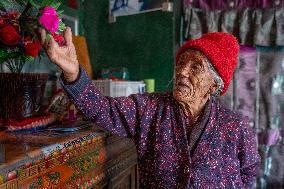
(240328) -- BEIJING, March 28, 2024 (Xinhua) -- Kelsang Chodron is pictured at home in Changkhyim Village in Qonggyai County of Shannan, southwest China's Xizang Autonomous Region, March 16, 2024. Born in 1934, Kelsang Chodron was once a serf of a local manor. As both her parents served as serfs in the manor, the same misfortune befell her ever since she was born. Suffering from endless work and hunger day and night, Kelsang chose to escape from the place of misery once, along with two other girls who shared the same sufferings with her. Unfortunately, their efforts were in vain. They were caught back to the manor, ending with severe punishment. "I was badly beaten up with unbearable pain," Kelsang Chodron recalled. After the democratic reform in 1959, life of Kelsang Chodron has totally changed. She and her husband gave birth to four children. At present, she lives happily with her grandson and granddaughter-in-law at a two-story house. "Hunger has completely gone out of my life now," said Kelsang Chodr

  •  
(InXizang)CHINA-XIZANG-FORMER SERF-NEW LIFE-KELSANG CHODRON (CN)

(InXizang)CHINA-XIZANG-FORMER SERF-NEW LIFE-KELSANG CHODRON (CN)

(240327) -- LHASA, March 27, 2024 (Xinhua) -- Kelsang Chodron is pictured at home in Changkhyim Village in Qonggyai County of Shannan, southwest China's Xizang Autonomous Region, March 16, 2024. Born in 1934, Kelsang Chodron was once a serf of a local manor. As both her parents served as serfs in the manor, the same misfortune befell her ever since she was born. Suffering from endless work and hunger day and night, Kelsang chose to escape from the place of misery once, along with two other girls who shared the same sufferings with her. Unfortunately, their efforts were in vain. They were caught back to the manor, ending with severe punishment. "I was badly beaten up with unbearable pain," Kelsang Chodron recalled. After the democratic reform in 1959, life of Kelsang Chodron has totally changed. She and her husband gave birth to four children. At present, she lives happily with her grandson and granddaughter-in-law at a two-story house. "Hunger has completely gone out of my life now," said Kelsang Chodron

  •  
(InXizang)CHINA-XIZANG-FORMER SERF-NEW LIFE-KELSANG CHODRON (CN)

(InXizang)CHINA-XIZANG-FORMER SERF-NEW LIFE-KELSANG CHODRON (CN)

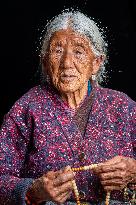
(240327) -- LHASA, March 27, 2024 (Xinhua) -- Kelsang Chodron is pictured at home in Changkhyim Village in Qonggyai County of Shannan, southwest China's Xizang Autonomous Region, March 16, 2024. Born in 1934, Kelsang Chodron was once a serf of a local manor. As both her parents served as serfs in the manor, the same misfortune befell her ever since she was born. Suffering from endless work and hunger day and night, Kelsang chose to escape from the place of misery once, along with two other girls who shared the same sufferings with her. Unfortunately, their efforts were in vain. They were caught back to the manor, ending with severe punishment. "I was badly beaten up with unbearable pain," Kelsang Chodron recalled. After the democratic reform in 1959, life of Kelsang Chodron has totally changed. She and her husband gave birth to four children. At present, she lives happily with her grandson and granddaughter-in-law at a two-story house. "Hunger has completely gone out of my life now," said Kelsang Chodron

  •  
(InXizang)CHINA-XIZANG-FORMER SERF-NEW LIFE-KELSANG CHODRON (CN)

(InXizang)CHINA-XIZANG-FORMER SERF-NEW LIFE-KELSANG CHODRON (CN)

(240327) -- LHASA, March 27, 2024 (Xinhua) -- Kelsang Chodron is pictured in Changkhyim Village in Qonggyai County of Shannan, southwest China's Xizang Autonomous Region, March 16, 2024. Born in 1934, Kelsang Chodron was once a serf of a local manor. As both her parents served as serfs in the manor, the same misfortune befell her ever since she was born. Suffering from endless work and hunger day and night, Kelsang chose to escape from the place of misery once, along with two other girls who shared the same sufferings with her. Unfortunately, their efforts were in vain. They were caught back to the manor, ending with severe punishment. "I was badly beaten up with unbearable pain," Kelsang Chodron recalled. After the democratic reform in 1959, life of Kelsang Chodron has totally changed. She and her husband gave birth to four children. At present, she lives happily with her grandson and granddaughter-in-law at a two-story house. "Hunger has completely gone out of my life now," said Kelsang Chodron. (Xinhu

  •  
(InXizang)CHINA-XIZANG-FORMER SERF-NEW LIFE-KELSANG CHODRON (CN)

(InXizang)CHINA-XIZANG-FORMER SERF-NEW LIFE-KELSANG CHODRON (CN)

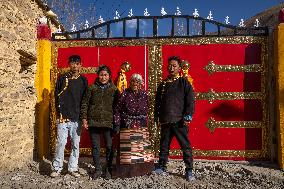
(240327) -- LHASA, March 27, 2024 (Xinhua) -- Kelsang Chodron (2nd R) poses for photo with her family members in Changkhyim Village in Qonggyai County of Shannan, southwest China's Xizang Autonomous Region, March 16, 2024. Born in 1934, Kelsang Chodron was once a serf of a local manor. As both her parents served as serfs in the manor, the same misfortune befell her ever since she was born. Suffering from endless work and hunger day and night, Kelsang chose to escape from the place of misery once, along with two other girls who shared the same sufferings with her. Unfortunately, their efforts were in vain. They were caught back to the manor, ending with severe punishment. "I was badly beaten up with unbearable pain," Kelsang Chodron recalled. After the democratic reform in 1959, life of Kelsang Chodron has totally changed. She and her husband gave birth to four children. At present, she lives happily with her grandson and granddaughter-in-law at a two-story house. "Hunger has completely gone out of my lif

  • Main
  • Top
  • Editorial
  • Creative
  • About Us
  • About ILG
  • Terms of use
  • Company
  • BEHIND
  • Price List
  • Single Plan
  • Monthly Plan
  • Services
  • Shooting
  • Rights Clearance
  • Support
  • FAQ
  • How To Buy
  • Contact Us
  • Become a Partner

© KYODO NEWS IMAGES INC

All Rights Reserved.

  • Editorial
  • Olympics
  • News
  • Sports
  • Japan
  • Tech
  • Royal
  • Disaster
  • NorthKorea
  • Old Japan
  • SNS
  • Creative
  • Food
  • Japan
  • Landscape
  • Animal
  • Popular
  • #Ukraine
  • #Russia
  • #coronavirus
  • #N. Korea
  • #Thailand
  • #China
  • #Ukraine
  • #Russia
  • #coronavirus
  • #N. Korea
  • #Thailand
  • #China
  • Food
  • Japan
  • Landscape
  • Animal
  • Olympics
  • News
  • Sports
  • Japan
  • Tech
  • Royal
  • Disaster
  • NorthKorea
  • Old Japan
  • SNS