•  
Ministries Call for Minute s Silence for Adamuz Victims - Madrid

Ministries Call for Minute s Silence for Adamuz Victims - Madrid

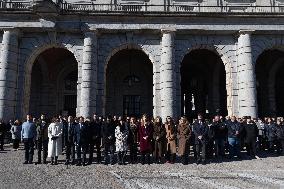
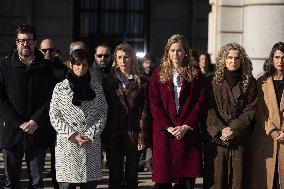
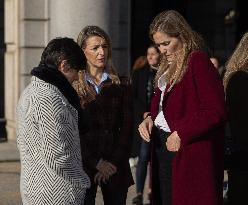
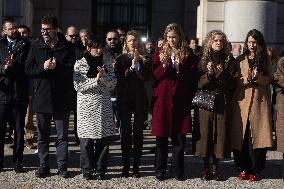
The Minister of Housing and Urban Agenda, Isabel Rodríguez; the Second Vice-President and Minister of Labour and Social Economy, Yolanda Díaz, and the Third Vice-President and Minister for Ecological Transition and the Demographic Challenge, Sara Aagesen, during the minute's silence called by the Ministries of Transport and Sustainable Mobility, Housing, Labour, and Ecological Transition and the Demographic Challenge in honour of the victims of the train accident in Adamuz, on 19 January 2026, in Madrid (Spain). The derailment of an Iryo train on Sunday caused a collision with an Alvia convoy, resulting in 39 deaths and more than 150 injured, according to provisional figures. The causes of the incident are still under investigation, although the transport minister said it was a "tremendously strange" accident. The President of the Government will travel to the scene of the accident on Monday, and later on Tuesday, the King and Queen of Spain will go to Córdoba to show their solidarity with those affected. Pho

  •  
Ministries Call for Minute s Silence for Adamuz Victims - Madrid

Ministries Call for Minute s Silence for Adamuz Victims - Madrid

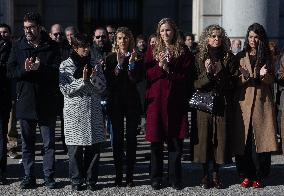
(2I-2D) The Minister of Housing and Urban Agenda, Isabel Rodríguez; the Second Vice-President and Minister of Employment and Social Economy, Yolanda Díaz, and the Third Vice-President and Minister for Ecological Transition and the Demographic Challenge, Sara Aagesen, during the minute's silence called by the Ministries of Transport and Sustainable Mobility, Housing, Employment, and Ecological Transition and the Demographic Challenge in honour of the victims of the train accident in Adamuz, on 19 January 2026, in Madrid (Spain). The derailment of an Iryo train on Sunday caused a collision with an Alvia convoy, resulting in 39 deaths and more than 150 injured, according to provisional figures. The causes of the incident are still under investigation, although the transport minister said it was a "tremendously strange" accident. The President of the Government will travel to the scene of the accident on Monday, and later on Tuesday, the King and Queen of Spain will go to Córdoba to show their solidarity with tho

  •  
Ministries Call for Minute s Silence for Adamuz Victims - Madrid

Ministries Call for Minute s Silence for Adamuz Victims - Madrid

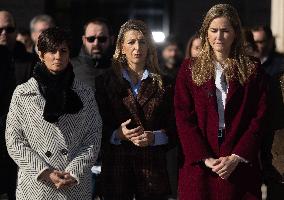
(L-R) The Minister for Housing and the Urban Agenda, Isabel Rodríguez; the Second Vice-President and Minister for Employment and the Social Economy, Yolanda Díaz, and the Third Vice-President and Minister for Ecological Transition and the Demographic Challenge, Sara Aagesen, during the minute's silence called by the Ministries of Transport and Sustainable Mobility, Housing, Employment, and Ecological Transition and the Demographic Challenge in honour of the victims of the train accident in Adamuz, 19 January 2026, in Madrid (Spain). The derailment of an Iryo train on Sunday caused a collision with an Alvia convoy, resulting in 39 deaths and more than 150 injured, according to provisional figures. The causes of the incident are still under investigation, although the transport minister said it was a "tremendously strange" accident. The President of the Government will travel to the scene of the accident on Monday, and later on Tuesday, the King and Queen of Spain will go to Córdoba to show their solidarity wit

  •  
Ministries Call for Minute s Silence for Adamuz Victims - Madrid

Ministries Call for Minute s Silence for Adamuz Victims - Madrid

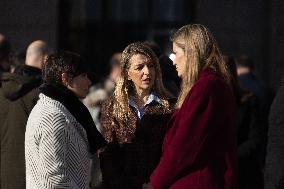
(2I-3D) The Minister of Housing and Urban Agenda, Isabel Rodríguez; the Second Vice-President and Minister of Labour and Social Economy, Yolanda Díaz, and the Third Vice-President and Minister for Ecological Transition and the Demographic Challenge, Sara Aagesen, during the minute's silence called by the Ministries of Transport and Sustainable Mobility, Housing, Labour, and Ecological Transition and the Demographic Challenge in honour of the victims of the train accident in Adamuz, 19 January 2026, in Madrid (Spain). The derailment of an Iryo train on Sunday caused a collision with an Alvia convoy, resulting in 39 deaths and more than 150 injured, according to provisional figures. The causes of the incident are still under investigation, although the transport minister said it was a "tremendously strange" accident. The President of the Government will travel to the scene of the accident on Monday, and later on Tuesday, the King and Queen of Spain will go to Córdoba to show their solidarity with those affected

  •  
Ministries Call for Minute s Silence for Adamuz Victims - Madrid

Ministries Call for Minute s Silence for Adamuz Victims - Madrid

(L-R) The Minister for Housing and the Urban Agenda, Isabel Rodríguez; the Second Vice-President and Minister for Employment and the Social Economy, Yolanda Díaz, and the Third Vice-President and Minister for Ecological Transition and the Demographic Challenge, Sara Aagesen, during the minute's silence called by the Ministries of Transport and Sustainable Mobility, Housing, Employment, and Ecological Transition and the Demographic Challenge in honour of the victims of the train accident in Adamuz, 19 January 2026, in Madrid (Spain). The derailment of an Iryo train on Sunday caused a collision with an Alvia convoy, resulting in 39 deaths and more than 150 injured, according to provisional figures. The causes of the incident are still under investigation, although the transport minister said it was a "tremendously strange" accident. The President of the Government will travel to the scene of the accident on Monday, and later on Tuesday, the King and Queen of Spain will go to Córdoba to show their solidarity wit

  •  
Ministries Call for Minute s Silence for Adamuz Victims - Madrid

Ministries Call for Minute s Silence for Adamuz Victims - Madrid

(L-R) The Minister for Housing and the Urban Agenda, Isabel Rodríguez; the Second Vice-President and Minister for Employment and the Social Economy, Yolanda Díaz, and the Third Vice-President and Minister for Ecological Transition and the Demographic Challenge, Sara Aagesen, during the minute's silence called by the Ministries of Transport and Sustainable Mobility, Housing, Employment, and Ecological Transition and the Demographic Challenge in honour of the victims of the train accident in Adamuz, 19 January 2026, in Madrid (Spain). The derailment of an Iryo train on Sunday caused a collision with an Alvia convoy, resulting in 39 deaths and more than 150 injured, according to provisional figures. The causes of the incident are still under investigation, although the transport minister said it was a "tremendously strange" accident. The President of the Government will travel to the scene of the accident on Monday, and later on Tuesday, the King and Queen of Spain will go to Córdoba to show their solidarity wit

  •  
Ministries Call for Minute s Silence for Adamuz Victims - Madrid

Ministries Call for Minute s Silence for Adamuz Victims - Madrid

(2I-3D) The Minister of Housing and Urban Agenda, Isabel Rodríguez; the Second Vice-President and Minister of Labour and Social Economy, Yolanda Díaz, and the Third Vice-President and Minister for Ecological Transition and the Demographic Challenge, Sara Aagesen, during the minute's silence called by the Ministries of Transport and Sustainable Mobility, Housing, Labour, and Ecological Transition and the Demographic Challenge in honour of the victims of the train accident in Adamuz, 19 January 2026, in Madrid (Spain). The derailment of an Iryo train on Sunday caused a collision with an Alvia convoy, resulting in 39 deaths and more than 150 injured, according to provisional figures. The causes of the incident are still under investigation, although the transport minister said it was a "tremendously strange" accident. The President of the Government will travel to the scene of the accident on Monday, and later on Tuesday, the King and Queen of Spain will go to Córdoba to show their solidarity with those affected

  •  
Ministries Call for Minute s Silence for Adamuz Victims - Madrid

Ministries Call for Minute s Silence for Adamuz Victims - Madrid

(L-R) The Minister for Housing and the Urban Agenda, Isabel Rodríguez; the Second Vice-President and Minister for Employment and the Social Economy, Yolanda Díaz, and the Third Vice-President and Minister for Ecological Transition and the Demographic Challenge, Sara Aagesen, during the minute's silence called by the Ministries of Transport and Sustainable Mobility, Housing, Employment, and Ecological Transition and the Demographic Challenge in honour of the victims of the train accident in Adamuz, 19 January 2026, in Madrid (Spain). The derailment of an Iryo train on Sunday caused a collision with an Alvia convoy, resulting in 39 deaths and more than 150 injured, according to provisional figures. The causes of the incident are still under investigation, although the transport minister said it was a "tremendously strange" accident. The President of the Government will travel to the scene of the accident on Monday, and later on Tuesday, the King and Queen of Spain will go to Córdoba to show their solidarity wit

  •  
Winter Ice And Snow

Winter Ice And Snow

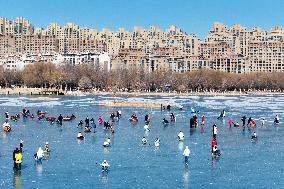
Tourists ice skate at Baohu National Urban Wetland Park in Yinchuan, Ningxia, China on January 11, 2026.

  •  
CAbale Car Illustration - Creteil

CAbale Car Illustration - Creteil

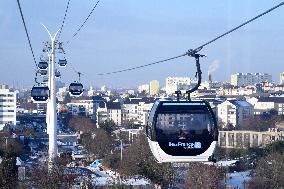
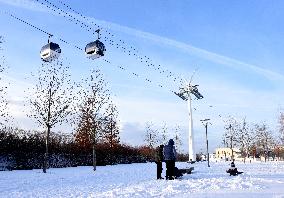
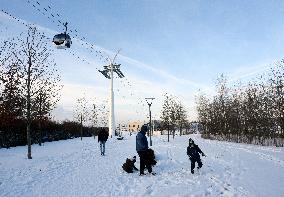
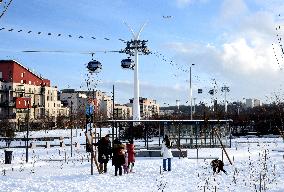
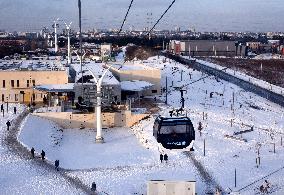
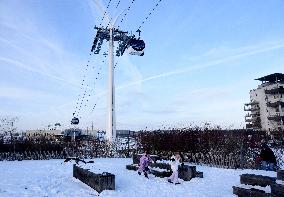
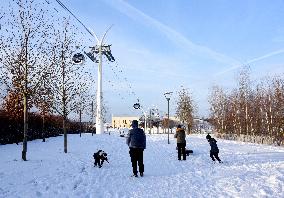
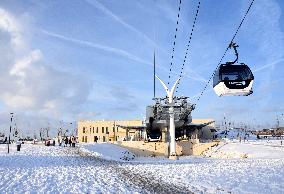
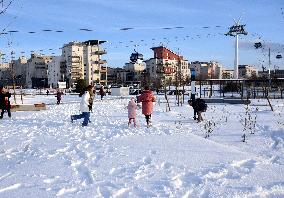
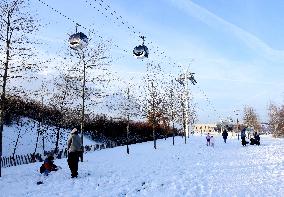
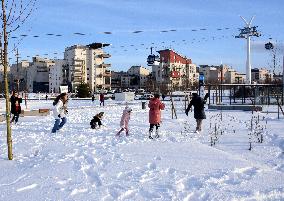
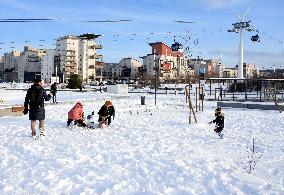
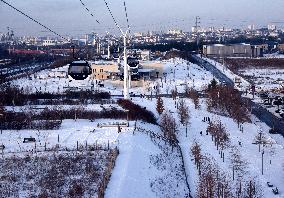
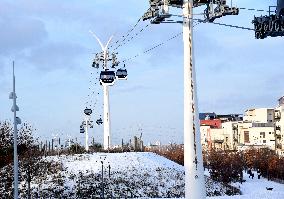
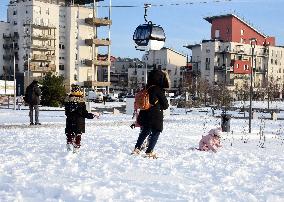
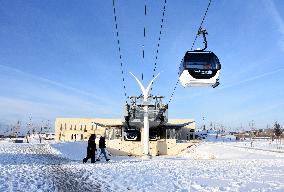
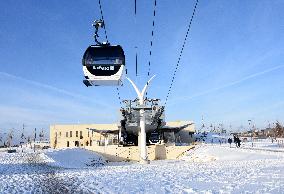
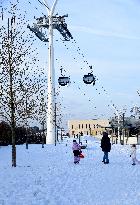
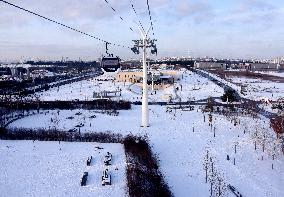
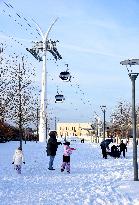
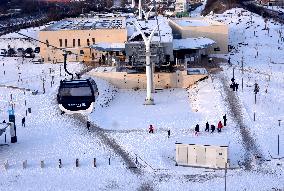
illustration the Cable C1, under the snow during a cold winter weather episode in Creteil, France on January 7, 2026. The first urban Cable Car in Ile-de-France, which connects Creteil to Villeneuve-Saint-Georges via Valenton and Limeil-Brevannes, longest urban cable car in Europe. Photo by Alain Apaydin/ABACAPRESS.COM

  •  
CAbale Car Illustration - Creteil

CAbale Car Illustration - Creteil

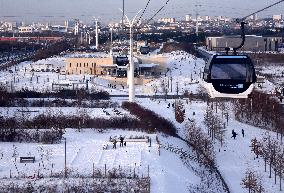
illustration the Cable C1, under the snow during a cold winter weather episode in Creteil, France on January 7, 2026. The first urban Cable Car in Ile-de-France, which connects Creteil to Villeneuve-Saint-Georges via Valenton and Limeil-Brevannes, longest urban cable car in Europe. Photo by Alain Apaydin/ABACAPRESS.COM

  •  
CAbale Car Illustration - Creteil

CAbale Car Illustration - Creteil

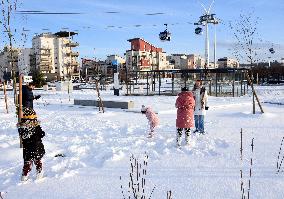
illustration the Cable C1, under the snow during a cold winter weather episode in Creteil, France on January 7, 2026. The first urban Cable Car in Ile-de-France, which connects Creteil to Villeneuve-Saint-Georges via Valenton and Limeil-Brevannes, longest urban cable car in Europe. Photo by Alain Apaydin/ABACAPRESS.COM

  •  
CAbale Car Illustration - Creteil

CAbale Car Illustration - Creteil

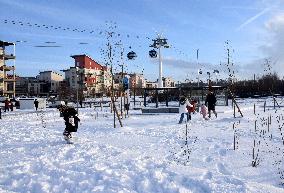
illustration the Cable C1, under the snow during a cold winter weather episode in Creteil, France on January 7, 2026. The first urban Cable Car in Ile-de-France, which connects Creteil to Villeneuve-Saint-Georges via Valenton and Limeil-Brevannes, longest urban cable car in Europe. Photo by Alain Apaydin/ABACAPRESS.COM

  •  
CAbale Car Illustration - Creteil

CAbale Car Illustration - Creteil

illustration the Cable C1, under the snow during a cold winter weather episode in Creteil, France on January 7, 2026. The first urban Cable Car in Ile-de-France, which connects Creteil to Villeneuve-Saint-Georges via Valenton and Limeil-Brevannes, longest urban cable car in Europe. Photo by Alain Apaydin/ABACAPRESS.COM

  •  
CAbale Car Illustration - Creteil

CAbale Car Illustration - Creteil

illustration the Cable C1, under the snow during a cold winter weather episode in Creteil, France on January 7, 2026. The first urban Cable Car in Ile-de-France, which connects Creteil to Villeneuve-Saint-Georges via Valenton and Limeil-Brevannes, longest urban cable car in Europe. Photo by Alain Apaydin/ABACAPRESS.COM

  •  
CAbale Car Illustration - Creteil

CAbale Car Illustration - Creteil

illustration the Cable C1, under the snow during a cold winter weather episode in Creteil, France on January 7, 2026. The first urban Cable Car in Ile-de-France, which connects Creteil to Villeneuve-Saint-Georges via Valenton and Limeil-Brevannes, longest urban cable car in Europe. Photo by Alain Apaydin/ABACAPRESS.COM

  •  
CAbale Car Illustration - Creteil

CAbale Car Illustration - Creteil

illustration the Cable C1, under the snow during a cold winter weather episode in Creteil, France on January 7, 2026. The first urban Cable Car in Ile-de-France, which connects Creteil to Villeneuve-Saint-Georges via Valenton and Limeil-Brevannes, longest urban cable car in Europe. Photo by Alain Apaydin/ABACAPRESS.COM

  •  
CAbale Car Illustration - Creteil

CAbale Car Illustration - Creteil

illustration the Cable C1, under the snow during a cold winter weather episode in Creteil, France on January 7, 2026. The first urban Cable Car in Ile-de-France, which connects Creteil to Villeneuve-Saint-Georges via Valenton and Limeil-Brevannes, longest urban cable car in Europe. Photo by Alain Apaydin/ABACAPRESS.COM

  •  
CAbale Car Illustration - Creteil

CAbale Car Illustration - Creteil

illustration the Cable C1, under the snow during a cold winter weather episode in Creteil, France on January 7, 2026. The first urban Cable Car in Ile-de-France, which connects Creteil to Villeneuve-Saint-Georges via Valenton and Limeil-Brevannes, longest urban cable car in Europe. Photo by Alain Apaydin/ABACAPRESS.COM

  •  
CAbale Car Illustration - Creteil

CAbale Car Illustration - Creteil

illustration the Cable C1, under the snow during a cold winter weather episode in Creteil, France on January 7, 2026. The first urban Cable Car in Ile-de-France, which connects Creteil to Villeneuve-Saint-Georges via Valenton and Limeil-Brevannes, longest urban cable car in Europe. Photo by Alain Apaydin/ABACAPRESS.COM

  •  
CAbale Car Illustration - Creteil

CAbale Car Illustration - Creteil

illustration the Cable C1, under the snow during a cold winter weather episode in Creteil, France on January 7, 2026. The first urban Cable Car in Ile-de-France, which connects Creteil to Villeneuve-Saint-Georges via Valenton and Limeil-Brevannes, longest urban cable car in Europe. Photo by Alain Apaydin/ABACAPRESS.COM

  •  
CAbale Car Illustration - Creteil

CAbale Car Illustration - Creteil

illustration the Cable C1, under the snow during a cold winter weather episode in Creteil, France on January 7, 2026. The first urban Cable Car in Ile-de-France, which connects Creteil to Villeneuve-Saint-Georges via Valenton and Limeil-Brevannes, longest urban cable car in Europe. Photo by Alain Apaydin/ABACAPRESS.COM

  •  
CAbale Car Illustration - Creteil

CAbale Car Illustration - Creteil

illustration the Cable C1, under the snow during a cold winter weather episode in Creteil, France on January 7, 2026. The first urban Cable Car in Ile-de-France, which connects Creteil to Villeneuve-Saint-Georges via Valenton and Limeil-Brevannes, longest urban cable car in Europe. Photo by Alain Apaydin/ABACAPRESS.COM

  •  
CAbale Car Illustration - Creteil

CAbale Car Illustration - Creteil

illustration the Cable C1, under the snow during a cold winter weather episode in Creteil, France on January 7, 2026. The first urban Cable Car in Ile-de-France, which connects Creteil to Villeneuve-Saint-Georges via Valenton and Limeil-Brevannes, longest urban cable car in Europe. Photo by Alain Apaydin/ABACAPRESS.COM

  •  
CAbale Car Illustration - Creteil

CAbale Car Illustration - Creteil

illustration the Cable C1, under the snow during a cold winter weather episode in Creteil, France on January 7, 2026. The first urban Cable Car in Ile-de-France, which connects Creteil to Villeneuve-Saint-Georges via Valenton and Limeil-Brevannes, longest urban cable car in Europe. Photo by Alain Apaydin/ABACAPRESS.COM

  •  
CAbale Car Illustration - Creteil

CAbale Car Illustration - Creteil

illustration the Cable C1, under the snow during a cold winter weather episode in Creteil, France on January 7, 2026. The first urban Cable Car in Ile-de-France, which connects Creteil to Villeneuve-Saint-Georges via Valenton and Limeil-Brevannes, longest urban cable car in Europe. Photo by Alain Apaydin/ABACAPRESS.COM

  •  
CAbale Car Illustration - Creteil

CAbale Car Illustration - Creteil

illustration the Cable C1, under the snow during a cold winter weather episode in Creteil, France on January 7, 2026. The first urban Cable Car in Ile-de-France, which connects Creteil to Villeneuve-Saint-Georges via Valenton and Limeil-Brevannes, longest urban cable car in Europe. Photo by Alain Apaydin/ABACAPRESS.COM

  •  
CAbale Car Illustration - Creteil

CAbale Car Illustration - Creteil

illustration the Cable C1, under the snow during a cold winter weather episode in Creteil, France on January 7, 2026. The first urban Cable Car in Ile-de-France, which connects Creteil to Villeneuve-Saint-Georges via Valenton and Limeil-Brevannes, longest urban cable car in Europe. Photo by Alain Apaydin/ABACAPRESS.COM

  •  
CAbale Car Illustration - Creteil

CAbale Car Illustration - Creteil

illustration the Cable C1, under the snow during a cold winter weather episode in Creteil, France on January 7, 2026. The first urban Cable Car in Ile-de-France, which connects Creteil to Villeneuve-Saint-Georges via Valenton and Limeil-Brevannes, longest urban cable car in Europe. Photo by Alain Apaydin/ABACAPRESS.COM

  •  
CAbale Car Illustration - Creteil

CAbale Car Illustration - Creteil

illustration the Cable C1, under the snow during a cold winter weather episode in Creteil, France on January 7, 2026. The first urban Cable Car in Ile-de-France, which connects Creteil to Villeneuve-Saint-Georges via Valenton and Limeil-Brevannes, longest urban cable car in Europe. Photo by Alain Apaydin/ABACAPRESS.COM

  •  
CAbale Car Illustration - Creteil

CAbale Car Illustration - Creteil

illustration the Cable C1, under the snow during a cold winter weather episode in Creteil, France on January 7, 2026. The first urban Cable Car in Ile-de-France, which connects Creteil to Villeneuve-Saint-Georges via Valenton and Limeil-Brevannes, longest urban cable car in Europe. Photo by Alain Apaydin/ABACAPRESS.COM

  •  
CAbale Car Illustration - Creteil

CAbale Car Illustration - Creteil

illustration the Cable C1, under the snow during a cold winter weather episode in Creteil, France on January 7, 2026. The first urban Cable Car in Ile-de-France, which connects Creteil to Villeneuve-Saint-Georges via Valenton and Limeil-Brevannes, longest urban cable car in Europe. Photo by Alain Apaydin/ABACAPRESS.COM

  •  
CAbale Car Illustration - Creteil

CAbale Car Illustration - Creteil

illustration the Cable C1, under the snow during a cold winter weather episode in Creteil, France on January 7, 2026. The first urban Cable Car in Ile-de-France, which connects Creteil to Villeneuve-Saint-Georges via Valenton and Limeil-Brevannes, longest urban cable car in Europe. Photo by Alain Apaydin/ABACAPRESS.COM

  •  
The Ancient Guardians of Bakhazner - Iraq

The Ancient Guardians of Bakhazner - Iraq

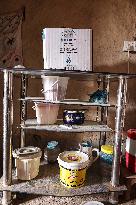
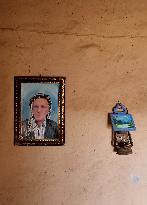
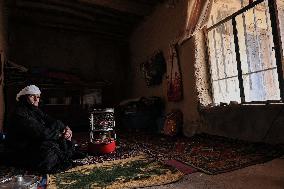
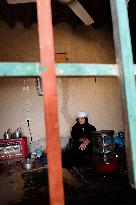
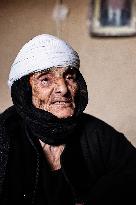
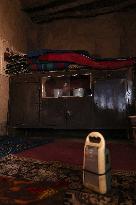
In the isolated village of Bakhazner in the Taq Taq district of the Kurdistan Region of Iraq, two sisters, Mestan Rasul Muhiddin and Gustan Rasul Muhiddin, both over 85 years old, continue to embody a vanishing way of life. Born and raised in Bakhazner, the sisters have spent their entire lives on their family's land, witnessing decades of regional transformation without ever leaving. Living independently, they dedicate their lives to the arduous tasks of livestock farming and shepherding, traditions passed down through generations. Their self-sufficiency and deep-rooted connection to the rugged Zagros foothills landscape provide a rare insight into traditional Kurdish pastoral life, which is under threat from modernisation and rural-to-urban migration. Despite their advanced age, the Rasul Muhiddin sisters remain the primary caretakers of their flock, serving as the living memory of their community, on January 3, 2026, in Taq Taq district of the Kurdistan Region, in Iraq. Photo by Othman Sabur Rashid/ABACAPR

  •  
The Ancient Guardians of Bakhazner - Iraq

The Ancient Guardians of Bakhazner - Iraq

In the isolated village of Bakhazner in the Taq Taq district of the Kurdistan Region of Iraq, two sisters, Mestan Rasul Muhiddin and Gustan Rasul Muhiddin, both over 85 years old, continue to embody a vanishing way of life. Born and raised in Bakhazner, the sisters have spent their entire lives on their family's land, witnessing decades of regional transformation without ever leaving. Living independently, they dedicate their lives to the arduous tasks of livestock farming and shepherding, traditions passed down through generations. Their self-sufficiency and deep-rooted connection to the rugged Zagros foothills landscape provide a rare insight into traditional Kurdish pastoral life, which is under threat from modernisation and rural-to-urban migration. Despite their advanced age, the Rasul Muhiddin sisters remain the primary caretakers of their flock, serving as the living memory of their community, on January 3, 2026, in Taq Taq district of the Kurdistan Region, in Iraq. Photo by Othman Sabur Rashid/ABACAPR

  •  
The Ancient Guardians of Bakhazner - Iraq

The Ancient Guardians of Bakhazner - Iraq

In the isolated village of Bakhazner in the Taq Taq district of the Kurdistan Region of Iraq, two sisters, Mestan Rasul Muhiddin and Gustan Rasul Muhiddin, both over 85 years old, continue to embody a vanishing way of life. Born and raised in Bakhazner, the sisters have spent their entire lives on their family's land, witnessing decades of regional transformation without ever leaving. Living independently, they dedicate their lives to the arduous tasks of livestock farming and shepherding, traditions passed down through generations. Their self-sufficiency and deep-rooted connection to the rugged Zagros foothills landscape provide a rare insight into traditional Kurdish pastoral life, which is under threat from modernisation and rural-to-urban migration. Despite their advanced age, the Rasul Muhiddin sisters remain the primary caretakers of their flock, serving as the living memory of their community, on January 3, 2026, in Taq Taq district of the Kurdistan Region, in Iraq. Photo by Othman Sabur Rashid/ABACAPR

  •  
The Ancient Guardians of Bakhazner - Iraq

The Ancient Guardians of Bakhazner - Iraq

In the isolated village of Bakhazner in the Taq Taq district of the Kurdistan Region of Iraq, two sisters, Mestan Rasul Muhiddin and Gustan Rasul Muhiddin, both over 85 years old, continue to embody a vanishing way of life. Born and raised in Bakhazner, the sisters have spent their entire lives on their family's land, witnessing decades of regional transformation without ever leaving. Living independently, they dedicate their lives to the arduous tasks of livestock farming and shepherding, traditions passed down through generations. Their self-sufficiency and deep-rooted connection to the rugged Zagros foothills landscape provide a rare insight into traditional Kurdish pastoral life, which is under threat from modernisation and rural-to-urban migration. Despite their advanced age, the Rasul Muhiddin sisters remain the primary caretakers of their flock, serving as the living memory of their community, on January 3, 2026, in Taq Taq district of the Kurdistan Region, in Iraq. Photo by Othman Sabur Rashid/ABACAPR

  •  
The Ancient Guardians of Bakhazner - Iraq

The Ancient Guardians of Bakhazner - Iraq

In the isolated village of Bakhazner in the Taq Taq district of the Kurdistan Region of Iraq, two sisters, Mestan Rasul Muhiddin and Gustan Rasul Muhiddin, both over 85 years old, continue to embody a vanishing way of life. Born and raised in Bakhazner, the sisters have spent their entire lives on their family's land, witnessing decades of regional transformation without ever leaving. Living independently, they dedicate their lives to the arduous tasks of livestock farming and shepherding, traditions passed down through generations. Their self-sufficiency and deep-rooted connection to the rugged Zagros foothills landscape provide a rare insight into traditional Kurdish pastoral life, which is under threat from modernisation and rural-to-urban migration. Despite their advanced age, the Rasul Muhiddin sisters remain the primary caretakers of their flock, serving as the living memory of their community, on January 3, 2026, in Taq Taq district of the Kurdistan Region, in Iraq. Photo by Othman Sabur Rashid/ABACAPR

  •  
The Ancient Guardians of Bakhazner - Iraq

The Ancient Guardians of Bakhazner - Iraq

In the isolated village of Bakhazner in the Taq Taq district of the Kurdistan Region of Iraq, two sisters, Mestan Rasul Muhiddin and Gustan Rasul Muhiddin, both over 85 years old, continue to embody a vanishing way of life. Born and raised in Bakhazner, the sisters have spent their entire lives on their family's land, witnessing decades of regional transformation without ever leaving. Living independently, they dedicate their lives to the arduous tasks of livestock farming and shepherding, traditions passed down through generations. Their self-sufficiency and deep-rooted connection to the rugged Zagros foothills landscape provide a rare insight into traditional Kurdish pastoral life, which is under threat from modernisation and rural-to-urban migration. Despite their advanced age, the Rasul Muhiddin sisters remain the primary caretakers of their flock, serving as the living memory of their community, on January 3, 2026, in Taq Taq district of the Kurdistan Region, in Iraq. Photo by Othman Sabur Rashid/ABACAPR

  •  
The Ancient Guardians of Bakhazner - Iraq

The Ancient Guardians of Bakhazner - Iraq

In the isolated village of Bakhazner in the Taq Taq district of the Kurdistan Region of Iraq, two sisters, Mestan Rasul Muhiddin and Gustan Rasul Muhiddin, both over 85 years old, continue to embody a vanishing way of life. Born and raised in Bakhazner, the sisters have spent their entire lives on their family's land, witnessing decades of regional transformation without ever leaving. Living independently, they dedicate their lives to the arduous tasks of livestock farming and shepherding, traditions passed down through generations. Their self-sufficiency and deep-rooted connection to the rugged Zagros foothills landscape provide a rare insight into traditional Kurdish pastoral life, which is under threat from modernisation and rural-to-urban migration. Despite their advanced age, the Rasul Muhiddin sisters remain the primary caretakers of their flock, serving as the living memory of their community, on January 3, 2026, in Taq Taq district of the Kurdistan Region, in Iraq. Photo by Othman Sabur Rashid/ABACAPR

  •  
The Ancient Guardians of Bakhazner - Iraq

The Ancient Guardians of Bakhazner - Iraq

In the isolated village of Bakhazner in the Taq Taq district of the Kurdistan Region of Iraq, two sisters, Mestan Rasul Muhiddin and Gustan Rasul Muhiddin, both over 85 years old, continue to embody a vanishing way of life. Born and raised in Bakhazner, the sisters have spent their entire lives on their family's land, witnessing decades of regional transformation without ever leaving. Living independently, they dedicate their lives to the arduous tasks of livestock farming and shepherding, traditions passed down through generations. Their self-sufficiency and deep-rooted connection to the rugged Zagros foothills landscape provide a rare insight into traditional Kurdish pastoral life, which is under threat from modernisation and rural-to-urban migration. Despite their advanced age, the Rasul Muhiddin sisters remain the primary caretakers of their flock, serving as the living memory of their community, on January 3, 2026, in Taq Taq district of the Kurdistan Region, in Iraq. Photo by Othman Sabur Rashid/ABACAPR

  •  
The Ancient Guardians of Bakhazner - Iraq

The Ancient Guardians of Bakhazner - Iraq

In the isolated village of Bakhazner in the Taq Taq district of the Kurdistan Region of Iraq, two sisters, Mestan Rasul Muhiddin and Gustan Rasul Muhiddin, both over 85 years old, continue to embody a vanishing way of life. Born and raised in Bakhazner, the sisters have spent their entire lives on their family's land, witnessing decades of regional transformation without ever leaving. Living independently, they dedicate their lives to the arduous tasks of livestock farming and shepherding, traditions passed down through generations. Their self-sufficiency and deep-rooted connection to the rugged Zagros foothills landscape provide a rare insight into traditional Kurdish pastoral life, which is under threat from modernisation and rural-to-urban migration. Despite their advanced age, the Rasul Muhiddin sisters remain the primary caretakers of their flock, serving as the living memory of their community, on January 3, 2026, in Taq Taq district of the Kurdistan Region, in Iraq. Photo by Othman Sabur Rashid/ABACAPR

  •  
The Ancient Guardians of Bakhazner - Iraq

The Ancient Guardians of Bakhazner - Iraq

In the isolated village of Bakhazner in the Taq Taq district of the Kurdistan Region of Iraq, two sisters, Mestan Rasul Muhiddin and Gustan Rasul Muhiddin, both over 85 years old, continue to embody a vanishing way of life. Born and raised in Bakhazner, the sisters have spent their entire lives on their family's land, witnessing decades of regional transformation without ever leaving. Living independently, they dedicate their lives to the arduous tasks of livestock farming and shepherding, traditions passed down through generations. Their self-sufficiency and deep-rooted connection to the rugged Zagros foothills landscape provide a rare insight into traditional Kurdish pastoral life, which is under threat from modernisation and rural-to-urban migration. Despite their advanced age, the Rasul Muhiddin sisters remain the primary caretakers of their flock, serving as the living memory of their community, on January 3, 2026, in Taq Taq district of the Kurdistan Region, in Iraq. Photo by Othman Sabur Rashid/ABACAPR

  •  
The Ancient Guardians of Bakhazner - Iraq

The Ancient Guardians of Bakhazner - Iraq

In the isolated village of Bakhazner in the Taq Taq district of the Kurdistan Region of Iraq, two sisters, Mestan Rasul Muhiddin and Gustan Rasul Muhiddin, both over 85 years old, continue to embody a vanishing way of life. Born and raised in Bakhazner, the sisters have spent their entire lives on their family's land, witnessing decades of regional transformation without ever leaving. Living independently, they dedicate their lives to the arduous tasks of livestock farming and shepherding, traditions passed down through generations. Their self-sufficiency and deep-rooted connection to the rugged Zagros foothills landscape provide a rare insight into traditional Kurdish pastoral life, which is under threat from modernisation and rural-to-urban migration. Despite their advanced age, the Rasul Muhiddin sisters remain the primary caretakers of their flock, serving as the living memory of their community, on January 3, 2026, in Taq Taq district of the Kurdistan Region, in Iraq. Photo by Othman Sabur Rashid/ABACAPR

  •  
The Ancient Guardians of Bakhazner - Iraq

The Ancient Guardians of Bakhazner - Iraq

In the isolated village of Bakhazner in the Taq Taq district of the Kurdistan Region of Iraq, two sisters, Mestan Rasul Muhiddin and Gustan Rasul Muhiddin, both over 85 years old, continue to embody a vanishing way of life. Born and raised in Bakhazner, the sisters have spent their entire lives on their family's land, witnessing decades of regional transformation without ever leaving. Living independently, they dedicate their lives to the arduous tasks of livestock farming and shepherding, traditions passed down through generations. Their self-sufficiency and deep-rooted connection to the rugged Zagros foothills landscape provide a rare insight into traditional Kurdish pastoral life, which is under threat from modernisation and rural-to-urban migration. Despite their advanced age, the Rasul Muhiddin sisters remain the primary caretakers of their flock, serving as the living memory of their community, on January 3, 2026, in Taq Taq district of the Kurdistan Region, in Iraq. Photo by Othman Sabur Rashid/ABACAPR

  •  
The Ancient Guardians of Bakhazner - Iraq

The Ancient Guardians of Bakhazner - Iraq

In the isolated village of Bakhazner in the Taq Taq district of the Kurdistan Region of Iraq, two sisters, Mestan Rasul Muhiddin and Gustan Rasul Muhiddin, both over 85 years old, continue to embody a vanishing way of life. Born and raised in Bakhazner, the sisters have spent their entire lives on their family's land, witnessing decades of regional transformation without ever leaving. Living independently, they dedicate their lives to the arduous tasks of livestock farming and shepherding, traditions passed down through generations. Their self-sufficiency and deep-rooted connection to the rugged Zagros foothills landscape provide a rare insight into traditional Kurdish pastoral life, which is under threat from modernisation and rural-to-urban migration. Despite their advanced age, the Rasul Muhiddin sisters remain the primary caretakers of their flock, serving as the living memory of their community, on January 3, 2026, in Taq Taq district of the Kurdistan Region, in Iraq. Photo by Othman Sabur Rashid/ABACAPR

  •  
The Ancient Guardians of Bakhazner - Iraq

The Ancient Guardians of Bakhazner - Iraq

In the isolated village of Bakhazner in the Taq Taq district of the Kurdistan Region of Iraq, two sisters, Mestan Rasul Muhiddin and Gustan Rasul Muhiddin, both over 85 years old, continue to embody a vanishing way of life. Born and raised in Bakhazner, the sisters have spent their entire lives on their family's land, witnessing decades of regional transformation without ever leaving. Living independently, they dedicate their lives to the arduous tasks of livestock farming and shepherding, traditions passed down through generations. Their self-sufficiency and deep-rooted connection to the rugged Zagros foothills landscape provide a rare insight into traditional Kurdish pastoral life, which is under threat from modernisation and rural-to-urban migration. Despite their advanced age, the Rasul Muhiddin sisters remain the primary caretakers of their flock, serving as the living memory of their community, on January 3, 2026, in Taq Taq district of the Kurdistan Region, in Iraq. Photo by Othman Sabur Rashid/ABACAPR

  •  
The Ancient Guardians of Bakhazner - Iraq

The Ancient Guardians of Bakhazner - Iraq

In the isolated village of Bakhazner in the Taq Taq district of the Kurdistan Region of Iraq, two sisters, Mestan Rasul Muhiddin and Gustan Rasul Muhiddin, both over 85 years old, continue to embody a vanishing way of life. Born and raised in Bakhazner, the sisters have spent their entire lives on their family's land, witnessing decades of regional transformation without ever leaving. Living independently, they dedicate their lives to the arduous tasks of livestock farming and shepherding, traditions passed down through generations. Their self-sufficiency and deep-rooted connection to the rugged Zagros foothills landscape provide a rare insight into traditional Kurdish pastoral life, which is under threat from modernisation and rural-to-urban migration. Despite their advanced age, the Rasul Muhiddin sisters remain the primary caretakers of their flock, serving as the living memory of their community, on January 3, 2026, in Taq Taq district of the Kurdistan Region, in Iraq. Photo by Othman Sabur Rashid/ABACAPR

  •  
The Ancient Guardians of Bakhazner - Iraq

The Ancient Guardians of Bakhazner - Iraq

In the isolated village of Bakhazner in the Taq Taq district of the Kurdistan Region of Iraq, two sisters, Mestan Rasul Muhiddin and Gustan Rasul Muhiddin, both over 85 years old, continue to embody a vanishing way of life. Born and raised in Bakhazner, the sisters have spent their entire lives on their family's land, witnessing decades of regional transformation without ever leaving. Living independently, they dedicate their lives to the arduous tasks of livestock farming and shepherding, traditions passed down through generations. Their self-sufficiency and deep-rooted connection to the rugged Zagros foothills landscape provide a rare insight into traditional Kurdish pastoral life, which is under threat from modernisation and rural-to-urban migration. Despite their advanced age, the Rasul Muhiddin sisters remain the primary caretakers of their flock, serving as the living memory of their community, on January 3, 2026, in Taq Taq district of the Kurdistan Region, in Iraq. Photo by Othman Sabur Rashid/ABACAPR

  •  
The Ancient Guardians of Bakhazner - Iraq

The Ancient Guardians of Bakhazner - Iraq

In the isolated village of Bakhazner in the Taq Taq district of the Kurdistan Region of Iraq, two sisters, Mestan Rasul Muhiddin and Gustan Rasul Muhiddin, both over 85 years old, continue to embody a vanishing way of life. Born and raised in Bakhazner, the sisters have spent their entire lives on their family's land, witnessing decades of regional transformation without ever leaving. Living independently, they dedicate their lives to the arduous tasks of livestock farming and shepherding, traditions passed down through generations. Their self-sufficiency and deep-rooted connection to the rugged Zagros foothills landscape provide a rare insight into traditional Kurdish pastoral life, which is under threat from modernisation and rural-to-urban migration. Despite their advanced age, the Rasul Muhiddin sisters remain the primary caretakers of their flock, serving as the living memory of their community, on January 3, 2026, in Taq Taq district of the Kurdistan Region, in Iraq. Photo by Othman Sabur Rashid/ABACAPR

  • Main
  • Top
  • Editorial
  • Creative
  • About Us
  • About ILG
  • Terms of use
  • Company
  • BEHIND
  • Price List
  • Single Plan
  • Monthly Plan
  • Services
  • Shooting
  • Rights Clearance
  • Support
  • FAQ
  • How To Buy
  • Contact Us
  • Become a Partner

© KYODO NEWS IMAGES INC

All Rights Reserved.

  • Editorial
  • Olympics
  • News
  • Sports
  • Japan
  • Tech
  • Royal
  • Disaster
  • NorthKorea
  • Old Japan
  • SNS
  • Creative
  • Food
  • Japan
  • Landscape
  • Animal
  • Popular
  • #Ukraine
  • #Russia
  • #coronavirus
  • #N. Korea
  • #Thailand
  • #China
  • #Ukraine
  • #Russia
  • #coronavirus
  • #N. Korea
  • #Thailand
  • #China
  • Food
  • Japan
  • Landscape
  • Animal
  • Olympics
  • News
  • Sports
  • Japan
  • Tech
  • Royal
  • Disaster
  • NorthKorea
  • Old Japan
  • SNS