•  
Urban motorization

Urban motorization

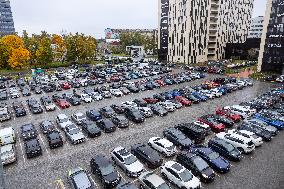
08.10.2025, Tallinn. Urban motorization is a complex phenomenon that leads to significant challenges like traffic congestion, increased air pollution, and a greater demand for expansive parking infrastructure. Photo Tairo Lutter, Postimees

  •  
Urban motorization

Urban motorization

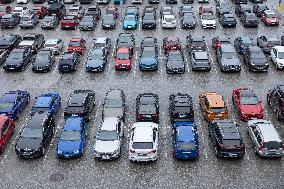
08.10.2025, Tallinn. Urban motorization is a complex phenomenon that leads to significant challenges like traffic congestion, increased air pollution, and a greater demand for expansive parking infrastructure. Photo Tairo Lutter, Postimees

  •  
Urban motorization

Urban motorization

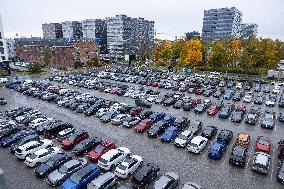
08.10.2025, Tallinn. Urban motorization is a complex phenomenon that leads to significant challenges like traffic congestion, increased air pollution, and a greater demand for expansive parking infrastructure. Photo Tairo Lutter, Postimees

  •  
Sanitation and Water Pollution - Indonesia

Sanitation and Water Pollution - Indonesia

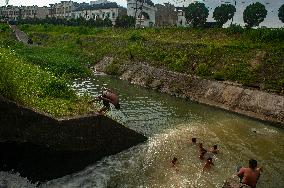
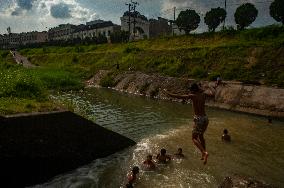
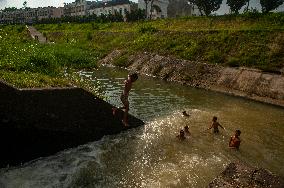
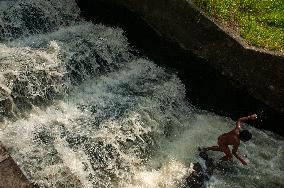
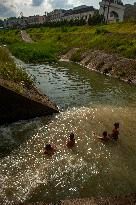
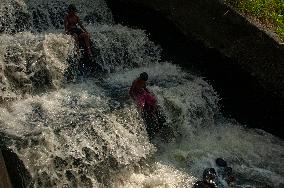
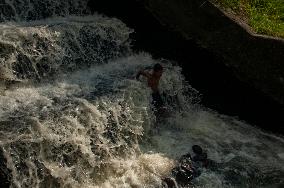
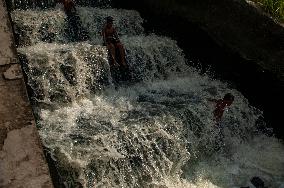
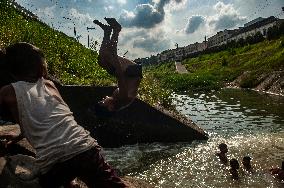
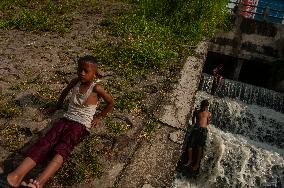
Children are seen playing in household wastewater that flows to the canal in Medan, North Sumatra, Indonesia, on June 3, 2025. This scene highlights the significant environmental challenges associated with inadequate sanitation and water pollution. According to reports from the World Bank (2021), access to decent sanitation in Indonesia remains a critical issue, with millions of households lacking a safe waste disposal system. Studies by the Environmental Health Journal (2020) also show that exposure to domestic wastewater can increase the prevalence of waterborne diseases such as diarrhoea, typhus, and skin infections, especially in children. It is estimated that more than 50% of cases of diarrhoea in children under five years in urban areas are related to contaminated water sources (WHO, 2019). This condition not only poses a serious health risk for the local community but also has a long-term impact on water ecosystems. Photo by Aditya Sutanta/ABACAPRESS.COM

  •  
Sanitation and Water Pollution - Indonesia

Sanitation and Water Pollution - Indonesia

Children are seen playing in household wastewater that flows to the canal in Medan, North Sumatra, Indonesia, on June 3, 2025. This scene highlights the significant environmental challenges associated with inadequate sanitation and water pollution. According to reports from the World Bank (2021), access to decent sanitation in Indonesia remains a critical issue, with millions of households lacking a safe waste disposal system. Studies by the Environmental Health Journal (2020) also show that exposure to domestic wastewater can increase the prevalence of waterborne diseases such as diarrhoea, typhus, and skin infections, especially in children. It is estimated that more than 50% of cases of diarrhoea in children under five years in urban areas are related to contaminated water sources (WHO, 2019). This condition not only poses a serious health risk for the local community but also has a long-term impact on water ecosystems. Photo by Aditya Sutanta/ABACAPRESS.COM

  •  
Sanitation and Water Pollution - Indonesia

Sanitation and Water Pollution - Indonesia

Children are seen playing in household wastewater that flows to the canal in Medan, North Sumatra, Indonesia, on June 3, 2025. This scene highlights the significant environmental challenges associated with inadequate sanitation and water pollution. According to reports from the World Bank (2021), access to decent sanitation in Indonesia remains a critical issue, with millions of households lacking a safe waste disposal system. Studies by the Environmental Health Journal (2020) also show that exposure to domestic wastewater can increase the prevalence of waterborne diseases such as diarrhoea, typhus, and skin infections, especially in children. It is estimated that more than 50% of cases of diarrhoea in children under five years in urban areas are related to contaminated water sources (WHO, 2019). This condition not only poses a serious health risk for the local community but also has a long-term impact on water ecosystems. Photo by Aditya Sutanta/ABACAPRESS.COM

  •  
Sanitation and Water Pollution - Indonesia

Sanitation and Water Pollution - Indonesia

Children are seen playing in household wastewater that flows to the canal in Medan, North Sumatra, Indonesia, on June 3, 2025. This scene highlights the significant environmental challenges associated with inadequate sanitation and water pollution. According to reports from the World Bank (2021), access to decent sanitation in Indonesia remains a critical issue, with millions of households lacking a safe waste disposal system. Studies by the Environmental Health Journal (2020) also show that exposure to domestic wastewater can increase the prevalence of waterborne diseases such as diarrhoea, typhus, and skin infections, especially in children. It is estimated that more than 50% of cases of diarrhoea in children under five years in urban areas are related to contaminated water sources (WHO, 2019). This condition not only poses a serious health risk for the local community but also has a long-term impact on water ecosystems. Photo by Aditya Sutanta/ABACAPRESS.COM

  •  
Sanitation and Water Pollution - Indonesia

Sanitation and Water Pollution - Indonesia

Children are seen playing in household wastewater that flows to the canal in Medan, North Sumatra, Indonesia, on June 3, 2025. This scene highlights the significant environmental challenges associated with inadequate sanitation and water pollution. According to reports from the World Bank (2021), access to decent sanitation in Indonesia remains a critical issue, with millions of households lacking a safe waste disposal system. Studies by the Environmental Health Journal (2020) also show that exposure to domestic wastewater can increase the prevalence of waterborne diseases such as diarrhoea, typhus, and skin infections, especially in children. It is estimated that more than 50% of cases of diarrhoea in children under five years in urban areas are related to contaminated water sources (WHO, 2019). This condition not only poses a serious health risk for the local community but also has a long-term impact on water ecosystems. Photo by Aditya Sutanta/ABACAPRESS.COM

  •  
Sanitation and Water Pollution - Indonesia

Sanitation and Water Pollution - Indonesia

Children are seen playing in household wastewater that flows to the canal in Medan, North Sumatra, Indonesia, on June 3, 2025. This scene highlights the significant environmental challenges associated with inadequate sanitation and water pollution. According to reports from the World Bank (2021), access to decent sanitation in Indonesia remains a critical issue, with millions of households lacking a safe waste disposal system. Studies by the Environmental Health Journal (2020) also show that exposure to domestic wastewater can increase the prevalence of waterborne diseases such as diarrhoea, typhus, and skin infections, especially in children. It is estimated that more than 50% of cases of diarrhoea in children under five years in urban areas are related to contaminated water sources (WHO, 2019). This condition not only poses a serious health risk for the local community but also has a long-term impact on water ecosystems. Photo by Aditya Sutanta/ABACAPRESS.COM

  •  
Sanitation and Water Pollution - Indonesia

Sanitation and Water Pollution - Indonesia

Children are seen playing in household wastewater that flows to the canal in Medan, North Sumatra, Indonesia, on June 3, 2025. This scene highlights the significant environmental challenges associated with inadequate sanitation and water pollution. According to reports from the World Bank (2021), access to decent sanitation in Indonesia remains a critical issue, with millions of households lacking a safe waste disposal system. Studies by the Environmental Health Journal (2020) also show that exposure to domestic wastewater can increase the prevalence of waterborne diseases such as diarrhoea, typhus, and skin infections, especially in children. It is estimated that more than 50% of cases of diarrhoea in children under five years in urban areas are related to contaminated water sources (WHO, 2019). This condition not only poses a serious health risk for the local community but also has a long-term impact on water ecosystems. Photo by Aditya Sutanta/ABACAPRESS.COM

  •  
Sanitation and Water Pollution - Indonesia

Sanitation and Water Pollution - Indonesia

Children are seen playing in household wastewater that flows to the canal in Medan, North Sumatra, Indonesia, on June 3, 2025. This scene highlights the significant environmental challenges associated with inadequate sanitation and water pollution. According to reports from the World Bank (2021), access to decent sanitation in Indonesia remains a critical issue, with millions of households lacking a safe waste disposal system. Studies by the Environmental Health Journal (2020) also show that exposure to domestic wastewater can increase the prevalence of waterborne diseases such as diarrhoea, typhus, and skin infections, especially in children. It is estimated that more than 50% of cases of diarrhoea in children under five years in urban areas are related to contaminated water sources (WHO, 2019). This condition not only poses a serious health risk for the local community but also has a long-term impact on water ecosystems. Photo by Aditya Sutanta/ABACAPRESS.COM

  •  
Sanitation and Water Pollution - Indonesia

Sanitation and Water Pollution - Indonesia

Children are seen playing in household wastewater that flows to the canal in Medan, North Sumatra, Indonesia, on June 3, 2025. This scene highlights the significant environmental challenges associated with inadequate sanitation and water pollution. According to reports from the World Bank (2021), access to decent sanitation in Indonesia remains a critical issue, with millions of households lacking a safe waste disposal system. Studies by the Environmental Health Journal (2020) also show that exposure to domestic wastewater can increase the prevalence of waterborne diseases such as diarrhoea, typhus, and skin infections, especially in children. It is estimated that more than 50% of cases of diarrhoea in children under five years in urban areas are related to contaminated water sources (WHO, 2019). This condition not only poses a serious health risk for the local community but also has a long-term impact on water ecosystems. Photo by Aditya Sutanta/ABACAPRESS.COM

  •  
Sanitation and Water Pollution - Indonesia

Sanitation and Water Pollution - Indonesia

Children are seen playing in household wastewater that flows to the canal in Medan, North Sumatra, Indonesia, on June 3, 2025. This scene highlights the significant environmental challenges associated with inadequate sanitation and water pollution. According to reports from the World Bank (2021), access to decent sanitation in Indonesia remains a critical issue, with millions of households lacking a safe waste disposal system. Studies by the Environmental Health Journal (2020) also show that exposure to domestic wastewater can increase the prevalence of waterborne diseases such as diarrhoea, typhus, and skin infections, especially in children. It is estimated that more than 50% of cases of diarrhoea in children under five years in urban areas are related to contaminated water sources (WHO, 2019). This condition not only poses a serious health risk for the local community but also has a long-term impact on water ecosystems. Photo by Aditya Sutanta/ABACAPRESS.COM

  •  
Sanitation and Water Pollution - Indonesia

Sanitation and Water Pollution - Indonesia

Children are seen playing in household wastewater that flows to the canal in Medan, North Sumatra, Indonesia, on June 3, 2025. This scene highlights the significant environmental challenges associated with inadequate sanitation and water pollution. According to reports from the World Bank (2021), access to decent sanitation in Indonesia remains a critical issue, with millions of households lacking a safe waste disposal system. Studies by the Environmental Health Journal (2020) also show that exposure to domestic wastewater can increase the prevalence of waterborne diseases such as diarrhoea, typhus, and skin infections, especially in children. It is estimated that more than 50% of cases of diarrhoea in children under five years in urban areas are related to contaminated water sources (WHO, 2019). This condition not only poses a serious health risk for the local community but also has a long-term impact on water ecosystems. Photo by Aditya Sutanta/ABACAPRESS.COM

  •  
Climate Crisis In Khuzestan - Iran

Climate Crisis In Khuzestan - Iran

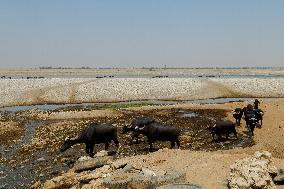
Buffaloes walk near a drying riverbed in Gav Mish Abad, Iran on July 20, 2021. Reduced river flow and increasing pollution from urban and agricultural sources threaten the quality of life in the region. Photo by Maya/Middle East Images/ABACAPRESS.COM

  •  

US: 2 Killed In Halloween Night Shooting In Orlando, Florida

Two men were killed and at least seven others injured in a shooting in downtown Orlando late on Halloween night, October 31, shortly after 1:00 a.m. A video captures the chaotic scene that followed, with several individuals receiving treatment on the street.

  •  

EU should take "bold and comprehensive action" to improve air quality: Spanish researcher

STORY: EU should take "bold and comprehensive action" to improve air quality: Spanish researcher SHOOTING TIME: Nov. 22, 2023 DATELINE: Nov. 23, 2023 LENGTH: 00:01:27 LOCATION: BARCELONA, Spain CATEGORY: ENVIRONMENT SHOTLIST: 1. various of Barcelona, Spain 2. SOUNDBITE (English): MARK J NIEUWENHUIJSEN, ISGlobal's Head of Climate, Air Pollution, Nature and Urban Health 3. various of Barcelona, Spain STORYLINE: Barcelona Institute for Global Health (ISGlobal) calls for "bold and comprehensive action" from the EU in adopting stricter measures to improve air quality. In September, the European Parliament approved tougher air pollution rules requiring member states to meet WHO air quality guidelines by 2035 rather than 2030. Mark J Nieuwenhuijsen, ISGlobal's Head of Climate, Air Pollution, Nature and Urban Health, said that urban development is crucial to addressing problems in the city. SOUNDBITE (English): MARK J NIEUWENHUIJSEN, ISGlobal's Head of Climate, Air Pollution, Nature and Urban Health "We need ur

  •  

BRICS ministers pledge enhanced cooperation to promote sustainable urbanization

STORY: BRICS ministers pledge enhanced cooperation to promote sustainable urbanization DATELINE: June 8, 2023 LENGTH: 00:01:06 LOCATION: Nairobi CATEGORY: POLITICS SHOTLIST: 1. various of the BRICS ministers in a meeting 2. various of the meeting STORYLINE: Ministers and senior officials from BRICS member states on Tuesday pledged enhanced partnership aimed at promoting sustainable urban development in the face of multiple challenges including pollution and climate emergencies. The ministers and senior officials from Brazil, Russia, India, China and South Africa who met on the sidelines of the second session of the United Nations Habitat Assembly, underway in the Kenyan capital of Nairobi, resolved to share best practices that seek to hasten urban renewal. The informal meeting for high-level representatives from relevant ministries of BRICS member states sought to rally ministers, diplomats and experts toward a shared vision of renewing their rapidly growing urban centers. Xinhua News Agency corre

  •  

Wastewater treatment plant in N China helps protect internationally important wetland

STORY: Wastewater treatment plant in N China helps protect internationally important wetland DATELINE: March 23, 2023 LENGTH: 00:01:09 LOCATION: HULUN BUIR, China CATEGORY: ENVIRONMENT SHOTLIST: 1. various of water reclamation system 2. SOUNDBITE (Chinese): ZHANG XIANCHEN, Local official 3. various of the Hulun Lake STORYLINE: A wastewater treatment plant in Hulun Buir City, north China's Inner Mongolia Autonomous Region, has helped reduce pollution and protect the ecological system in Hulun Lake, China's fourth largest freshwater lake. SOUNDBITE (Chinese): ZHANG XIANCHEN, Local official "The facility mainly deals with wastewater produced in urban areas. The daily capacity is nearly 2,600 tonnes, and the annual capacity is nearly 1 million tonnes. The facility is located on the upstream of Hulun Lake basin. After the wastewater treatment project was put into use, the treated water is pumped to Hulun Buir Dongneng Chemical Co., Ltd. to be used as industrial water. The wastewater will no longer be discharge

  •  
Air pollution in China

Air pollution in China

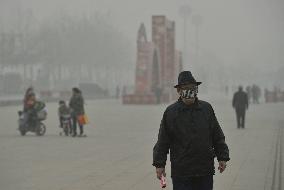
BEIJING, China - Photo shows a person wearing a mask in Handan, Hebei Province, on Feb. 23, 2014. Smog continued to hit most Chinese urban centers that day, with Beijing experiencing its fourth straight day of serious air pollution.

  •  
Air pollution in China

Air pollution in China

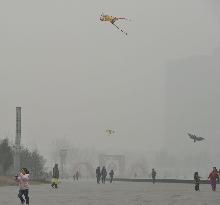
BEIJING, China - Children fly kites in Handan, Hebei Province, on Feb. 23, 2014. Smog continued to hit most Chinese urban centers that day, with Beijing experiencing its fourth straight day of serious air pollution.

  •  
Air pollution in China

Air pollution in China

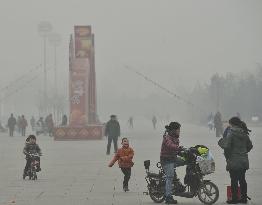
BEIJING, China - Air pollution blankets the city of Handan, Hebei Province, on Feb. 23, 2014. Smog continued to hit most Chinese urban centers that day, with Beijing experiencing its fourth straight day of serious air pollution.

  •  
Waste Pickers In Dump Site - Dhaka

Waste Pickers In Dump Site - Dhaka

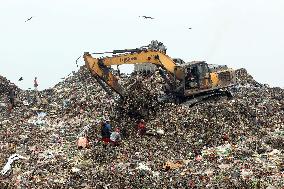
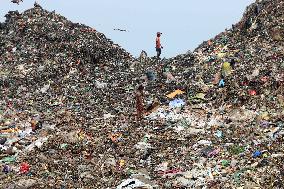
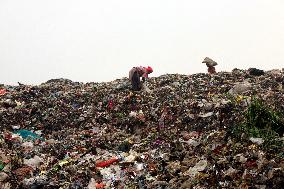
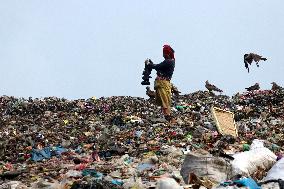
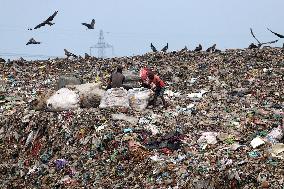
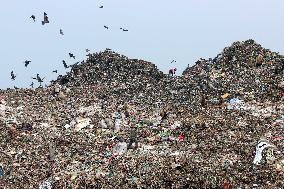
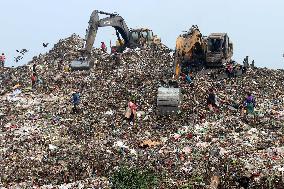
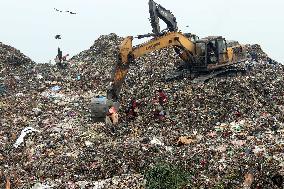
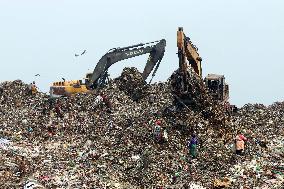
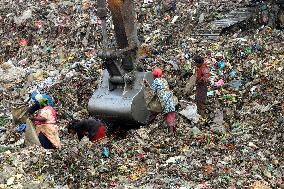
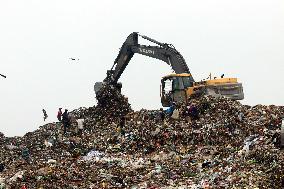
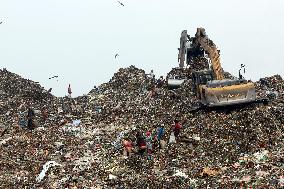
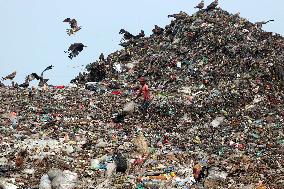
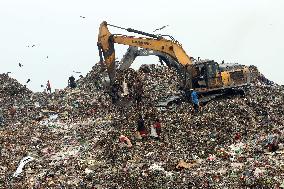
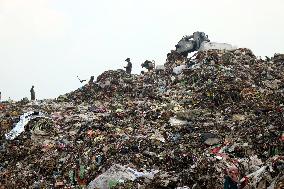
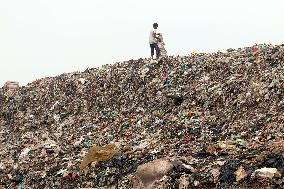
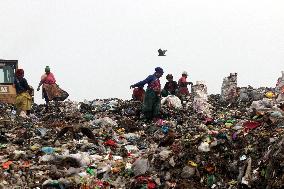
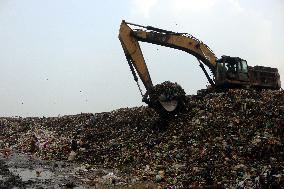
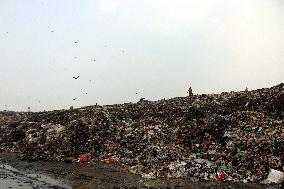
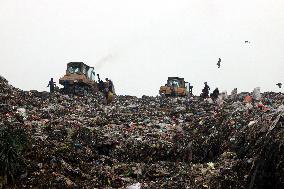
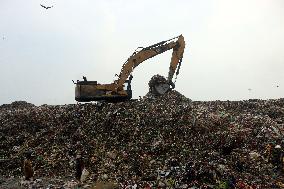
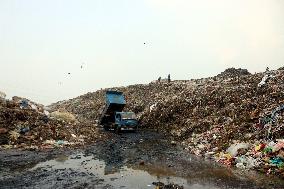
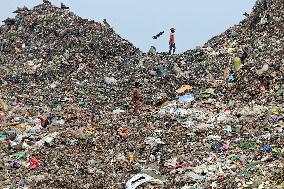
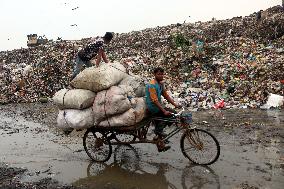
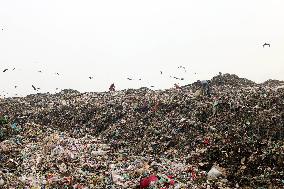
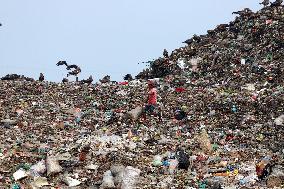
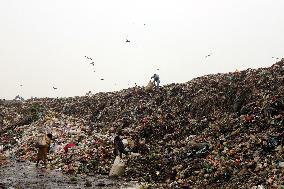
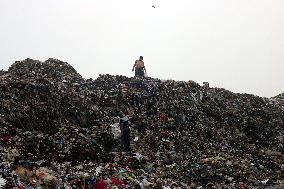
People waste pickers pick the non- biodegradable waste to be used for the recycling industry in dump site in Dhaka many people live by collecting waste from the mountains of garbage that is generated daily, mostly from the capital of Dhaka. Bangladesh, the eighth most populous country in the world, currently has a serious pollution problem due The solid waste generation in urban areas of Bangladesh amounts to around 25,000 tons per day, which translates. The Dhaka city produces one-quarter of all urban waste in the country. The total urban solid waste is projected to grow up to 47,000 tons per day by 2025. Dhaka, Bangladesh, October 25, 2021. Photo by Habibur Rahman/ABACAPRESS.COM

  •  
Waste Pickers In Dump Site - Dhaka

Waste Pickers In Dump Site - Dhaka

People waste pickers pick the non- biodegradable waste to be used for the recycling industry in dump site in Dhaka many people live by collecting waste from the mountains of garbage that is generated daily, mostly from the capital of Dhaka. Bangladesh, the eighth most populous country in the world, currently has a serious pollution problem due The solid waste generation in urban areas of Bangladesh amounts to around 25,000 tons per day, which translates. The Dhaka city produces one-quarter of all urban waste in the country. The total urban solid waste is projected to grow up to 47,000 tons per day by 2025. Dhaka, Bangladesh, October 25, 2021. Photo by Habibur Rahman/ABACAPRESS.COM

  •  
People Waste Pickers - Dhaka

People Waste Pickers - Dhaka

People waste pickers pick the non- biodegradable waste to be used for the recycling industry in dump site in Dhaka many people live by collecting waste from the mountains of garbage that is generated daily, mostly from the capital of Dhaka. Bangladesh, the eighth most populous country in the world, currently has a serious pollution problem due The solid waste generation in urban areas of Bangladesh amounts to around 25,000 tons per day, which translates. The Dhaka city produces one-quarter of all urban waste in the country. The total urban solid waste is projected to grow up to 47,000 tons per day by 2025. On octoberber 25, 2021 in Dhaka, Bangladesh. Photo by Habibur Rahman/ABACAPRESS.COM

  •  
Waste Pickers In Dump Site - Dhaka

Waste Pickers In Dump Site - Dhaka

People waste pickers pick the non- biodegradable waste to be used for the recycling industry in dump site in Dhaka many people live by collecting waste from the mountains of garbage that is generated daily, mostly from the capital of Dhaka. Bangladesh, the eighth most populous country in the world, currently has a serious pollution problem due The solid waste generation in urban areas of Bangladesh amounts to around 25,000 tons per day, which translates. The Dhaka city produces one-quarter of all urban waste in the country. The total urban solid waste is projected to grow up to 47,000 tons per day by 2025. Dhaka, Bangladesh, October 25, 2021. Photo by Habibur Rahman/ABACAPRESS.COM

  •  
Waste Pickers In Dump Site - Dhaka

Waste Pickers In Dump Site - Dhaka

People waste pickers pick the non- biodegradable waste to be used for the recycling industry in dump site in Dhaka many people live by collecting waste from the mountains of garbage that is generated daily, mostly from the capital of Dhaka. Bangladesh, the eighth most populous country in the world, currently has a serious pollution problem due The solid waste generation in urban areas of Bangladesh amounts to around 25,000 tons per day, which translates. The Dhaka city produces one-quarter of all urban waste in the country. The total urban solid waste is projected to grow up to 47,000 tons per day by 2025. Dhaka, Bangladesh, October 25, 2021. Photo by Habibur Rahman/ABACAPRESS.COM

  •  
Waste Pickers In Dump Site - Dhaka

Waste Pickers In Dump Site - Dhaka

People waste pickers pick the non- biodegradable waste to be used for the recycling industry in dump site in Dhaka many people live by collecting waste from the mountains of garbage that is generated daily, mostly from the capital of Dhaka. Bangladesh, the eighth most populous country in the world, currently has a serious pollution problem due The solid waste generation in urban areas of Bangladesh amounts to around 25,000 tons per day, which translates. The Dhaka city produces one-quarter of all urban waste in the country. The total urban solid waste is projected to grow up to 47,000 tons per day by 2025. Dhaka, Bangladesh, October 25, 2021. Photo by Habibur Rahman/ABACAPRESS.COM

  •  
Waste Pickers In Dump Site - Dhaka

Waste Pickers In Dump Site - Dhaka

People waste pickers pick the non- biodegradable waste to be used for the recycling industry in dump site in Dhaka many people live by collecting waste from the mountains of garbage that is generated daily, mostly from the capital of Dhaka. Bangladesh, the eighth most populous country in the world, currently has a serious pollution problem due The solid waste generation in urban areas of Bangladesh amounts to around 25,000 tons per day, which translates. The Dhaka city produces one-quarter of all urban waste in the country. The total urban solid waste is projected to grow up to 47,000 tons per day by 2025. Dhaka, Bangladesh, October 25, 2021. Photo by Habibur Rahman/ABACAPRESS.COM

  •  
Waste Pickers In Dump Site - Dhaka

Waste Pickers In Dump Site - Dhaka

People waste pickers pick the non- biodegradable waste to be used for the recycling industry in dump site in Dhaka many people live by collecting waste from the mountains of garbage that is generated daily, mostly from the capital of Dhaka. Bangladesh, the eighth most populous country in the world, currently has a serious pollution problem due The solid waste generation in urban areas of Bangladesh amounts to around 25,000 tons per day, which translates. The Dhaka city produces one-quarter of all urban waste in the country. The total urban solid waste is projected to grow up to 47,000 tons per day by 2025. Dhaka, Bangladesh, October 25, 2021. Photo by Habibur Rahman/ABACAPRESS.COM

  •  
Waste Pickers In Dump Site - Dhaka

Waste Pickers In Dump Site - Dhaka

People waste pickers pick the non- biodegradable waste to be used for the recycling industry in dump site in Dhaka many people live by collecting waste from the mountains of garbage that is generated daily, mostly from the capital of Dhaka. Bangladesh, the eighth most populous country in the world, currently has a serious pollution problem due The solid waste generation in urban areas of Bangladesh amounts to around 25,000 tons per day, which translates. The Dhaka city produces one-quarter of all urban waste in the country. The total urban solid waste is projected to grow up to 47,000 tons per day by 2025. Dhaka, Bangladesh, October 25, 2021. Photo by Habibur Rahman/ABACAPRESS.COM

  •  
Waste Pickers In Dump Site - Dhaka

Waste Pickers In Dump Site - Dhaka

People waste pickers pick the non- biodegradable waste to be used for the recycling industry in dump site in Dhaka many people live by collecting waste from the mountains of garbage that is generated daily, mostly from the capital of Dhaka. Bangladesh, the eighth most populous country in the world, currently has a serious pollution problem due The solid waste generation in urban areas of Bangladesh amounts to around 25,000 tons per day, which translates. The Dhaka city produces one-quarter of all urban waste in the country. The total urban solid waste is projected to grow up to 47,000 tons per day by 2025. Dhaka, Bangladesh, October 25, 2021. Photo by Habibur Rahman/ABACAPRESS.COM

  •  
Waste Pickers In Dump Site - Dhaka

Waste Pickers In Dump Site - Dhaka

People waste pickers pick the non- biodegradable waste to be used for the recycling industry in dump site in Dhaka many people live by collecting waste from the mountains of garbage that is generated daily, mostly from the capital of Dhaka. Bangladesh, the eighth most populous country in the world, currently has a serious pollution problem due The solid waste generation in urban areas of Bangladesh amounts to around 25,000 tons per day, which translates. The Dhaka city produces one-quarter of all urban waste in the country. The total urban solid waste is projected to grow up to 47,000 tons per day by 2025. Dhaka, Bangladesh, October 25, 2021. Photo by Habibur Rahman/ABACAPRESS.COM

  •  
Waste Pickers In Dump Site - Dhaka

Waste Pickers In Dump Site - Dhaka

People waste pickers pick the non- biodegradable waste to be used for the recycling industry in dump site in Dhaka many people live by collecting waste from the mountains of garbage that is generated daily, mostly from the capital of Dhaka. Bangladesh, the eighth most populous country in the world, currently has a serious pollution problem due The solid waste generation in urban areas of Bangladesh amounts to around 25,000 tons per day, which translates. The Dhaka city produces one-quarter of all urban waste in the country. The total urban solid waste is projected to grow up to 47,000 tons per day by 2025. Dhaka, Bangladesh, October 25, 2021. Photo by Habibur Rahman/ABACAPRESS.COM

  •  
Waste Pickers In Dump Site - Dhaka

Waste Pickers In Dump Site - Dhaka

People waste pickers pick the non- biodegradable waste to be used for the recycling industry in dump site in Dhaka many people live by collecting waste from the mountains of garbage that is generated daily, mostly from the capital of Dhaka. Bangladesh, the eighth most populous country in the world, currently has a serious pollution problem due The solid waste generation in urban areas of Bangladesh amounts to around 25,000 tons per day, which translates. The Dhaka city produces one-quarter of all urban waste in the country. The total urban solid waste is projected to grow up to 47,000 tons per day by 2025. Dhaka, Bangladesh, October 25, 2021. Photo by Habibur Rahman/ABACAPRESS.COM

  •  
Waste Pickers In Dump Site - Dhaka

Waste Pickers In Dump Site - Dhaka

People waste pickers pick the non- biodegradable waste to be used for the recycling industry in dump site in Dhaka many people live by collecting waste from the mountains of garbage that is generated daily, mostly from the capital of Dhaka. Bangladesh, the eighth most populous country in the world, currently has a serious pollution problem due The solid waste generation in urban areas of Bangladesh amounts to around 25,000 tons per day, which translates. The Dhaka city produces one-quarter of all urban waste in the country. The total urban solid waste is projected to grow up to 47,000 tons per day by 2025. Dhaka, Bangladesh, October 25, 2021. Photo by Habibur Rahman/ABACAPRESS.COM

  •  
People Waste Pickers - Dhaka

People Waste Pickers - Dhaka

People waste pickers pick the non- biodegradable waste to be used for the recycling industry in dump site in Dhaka many people live by collecting waste from the mountains of garbage that is generated daily, mostly from the capital of Dhaka. Bangladesh, the eighth most populous country in the world, currently has a serious pollution problem due The solid waste generation in urban areas of Bangladesh amounts to around 25,000 tons per day, which translates. The Dhaka city produces one-quarter of all urban waste in the country. The total urban solid waste is projected to grow up to 47,000 tons per day by 2025. On octoberber 25, 2021 in Dhaka, Bangladesh. Photo by Habibur Rahman/ABACAPRESS.COM

  •  
People Waste Pickers - Dhaka

People Waste Pickers - Dhaka

People waste pickers pick the non- biodegradable waste to be used for the recycling industry in dump site in Dhaka many people live by collecting waste from the mountains of garbage that is generated daily, mostly from the capital of Dhaka. Bangladesh, the eighth most populous country in the world, currently has a serious pollution problem due The solid waste generation in urban areas of Bangladesh amounts to around 25,000 tons per day, which translates. The Dhaka city produces one-quarter of all urban waste in the country. The total urban solid waste is projected to grow up to 47,000 tons per day by 2025. On octoberber 25, 2021 in Dhaka, Bangladesh. Photo by Habibur Rahman/ABACAPRESS.COM

  •  
People Waste Pickers - Dhaka

People Waste Pickers - Dhaka

People waste pickers pick the non- biodegradable waste to be used for the recycling industry in dump site in Dhaka many people live by collecting waste from the mountains of garbage that is generated daily, mostly from the capital of Dhaka. Bangladesh, the eighth most populous country in the world, currently has a serious pollution problem due The solid waste generation in urban areas of Bangladesh amounts to around 25,000 tons per day, which translates. The Dhaka city produces one-quarter of all urban waste in the country. The total urban solid waste is projected to grow up to 47,000 tons per day by 2025. On octoberber 25, 2021 in Dhaka, Bangladesh. Photo by Habibur Rahman/ABACAPRESS.COM

  •  
People Waste Pickers - Dhaka

People Waste Pickers - Dhaka

People waste pickers pick the non- biodegradable waste to be used for the recycling industry in dump site in Dhaka many people live by collecting waste from the mountains of garbage that is generated daily, mostly from the capital of Dhaka. Bangladesh, the eighth most populous country in the world, currently has a serious pollution problem due The solid waste generation in urban areas of Bangladesh amounts to around 25,000 tons per day, which translates. The Dhaka city produces one-quarter of all urban waste in the country. The total urban solid waste is projected to grow up to 47,000 tons per day by 2025. On octoberber 25, 2021 in Dhaka, Bangladesh. Photo by Habibur Rahman/ABACAPRESS.COM

  •  
People Waste Pickers - Dhaka

People Waste Pickers - Dhaka

People waste pickers pick the non- biodegradable waste to be used for the recycling industry in dump site in Dhaka many people live by collecting waste from the mountains of garbage that is generated daily, mostly from the capital of Dhaka. Bangladesh, the eighth most populous country in the world, currently has a serious pollution problem due The solid waste generation in urban areas of Bangladesh amounts to around 25,000 tons per day, which translates. The Dhaka city produces one-quarter of all urban waste in the country. The total urban solid waste is projected to grow up to 47,000 tons per day by 2025. On octoberber 25, 2021 in Dhaka, Bangladesh. Photo by Habibur Rahman/ABACAPRESS.COM

  •  
People Waste Pickers - Dhaka

People Waste Pickers - Dhaka

People waste pickers pick the non- biodegradable waste to be used for the recycling industry in dump site in Dhaka many people live by collecting waste from the mountains of garbage that is generated daily, mostly from the capital of Dhaka. Bangladesh, the eighth most populous country in the world, currently has a serious pollution problem due The solid waste generation in urban areas of Bangladesh amounts to around 25,000 tons per day, which translates. The Dhaka city produces one-quarter of all urban waste in the country. The total urban solid waste is projected to grow up to 47,000 tons per day by 2025. On octoberber 25, 2021 in Dhaka, Bangladesh. Photo by Habibur Rahman/ABACAPRESS.COM

  •  
People Waste Pickers - Dhaka

People Waste Pickers - Dhaka

People waste pickers pick the non- biodegradable waste to be used for the recycling industry in dump site in Dhaka many people live by collecting waste from the mountains of garbage that is generated daily, mostly from the capital of Dhaka. Bangladesh, the eighth most populous country in the world, currently has a serious pollution problem due The solid waste generation in urban areas of Bangladesh amounts to around 25,000 tons per day, which translates. The Dhaka city produces one-quarter of all urban waste in the country. The total urban solid waste is projected to grow up to 47,000 tons per day by 2025. On octoberber 25, 2021 in Dhaka, Bangladesh. Photo by Habibur Rahman/ABACAPRESS.COM

  •  
People Waste Pickers - Dhaka

People Waste Pickers - Dhaka

People waste pickers pick the non- biodegradable waste to be used for the recycling industry in dump site in Dhaka many people live by collecting waste from the mountains of garbage that is generated daily, mostly from the capital of Dhaka. Bangladesh, the eighth most populous country in the world, currently has a serious pollution problem due The solid waste generation in urban areas of Bangladesh amounts to around 25,000 tons per day, which translates. The Dhaka city produces one-quarter of all urban waste in the country. The total urban solid waste is projected to grow up to 47,000 tons per day by 2025. On octoberber 25, 2021 in Dhaka, Bangladesh. Photo by Habibur Rahman/ABACAPRESS.COM

  •  
People Waste Pickers - Dhaka

People Waste Pickers - Dhaka

People waste pickers pick the non- biodegradable waste to be used for the recycling industry in dump site in Dhaka many people live by collecting waste from the mountains of garbage that is generated daily, mostly from the capital of Dhaka. Bangladesh, the eighth most populous country in the world, currently has a serious pollution problem due The solid waste generation in urban areas of Bangladesh amounts to around 25,000 tons per day, which translates. The Dhaka city produces one-quarter of all urban waste in the country. The total urban solid waste is projected to grow up to 47,000 tons per day by 2025. On octoberber 25, 2021 in Dhaka, Bangladesh. Photo by Habibur Rahman/ABACAPRESS.COM

  •  
People Waste Pickers - Dhaka

People Waste Pickers - Dhaka

People waste pickers pick the non- biodegradable waste to be used for the recycling industry in dump site in Dhaka many people live by collecting waste from the mountains of garbage that is generated daily, mostly from the capital of Dhaka. Bangladesh, the eighth most populous country in the world, currently has a serious pollution problem due The solid waste generation in urban areas of Bangladesh amounts to around 25,000 tons per day, which translates. The Dhaka city produces one-quarter of all urban waste in the country. The total urban solid waste is projected to grow up to 47,000 tons per day by 2025. On octoberber 25, 2021 in Dhaka, Bangladesh. Photo by Habibur Rahman/ABACAPRESS.COM

  •  
People Waste Pickers - Dhaka

People Waste Pickers - Dhaka

People waste pickers pick the non- biodegradable waste to be used for the recycling industry in dump site in Dhaka many people live by collecting waste from the mountains of garbage that is generated daily, mostly from the capital of Dhaka. Bangladesh, the eighth most populous country in the world, currently has a serious pollution problem due The solid waste generation in urban areas of Bangladesh amounts to around 25,000 tons per day, which translates. The Dhaka city produces one-quarter of all urban waste in the country. The total urban solid waste is projected to grow up to 47,000 tons per day by 2025. On octoberber 25, 2021 in Dhaka, Bangladesh. Photo by Habibur Rahman/ABACAPRESS.COM

  •  
People Waste Pickers - Dhaka

People Waste Pickers - Dhaka

People waste pickers pick the non- biodegradable waste to be used for the recycling industry in dump site in Dhaka many people live by collecting waste from the mountains of garbage that is generated daily, mostly from the capital of Dhaka. Bangladesh, the eighth most populous country in the world, currently has a serious pollution problem due The solid waste generation in urban areas of Bangladesh amounts to around 25,000 tons per day, which translates. The Dhaka city produces one-quarter of all urban waste in the country. The total urban solid waste is projected to grow up to 47,000 tons per day by 2025. On octoberber 25, 2021 in Dhaka, Bangladesh. Photo by Habibur Rahman/ABACAPRESS.COM

  •  
People Waste Pickers - Dhaka

People Waste Pickers - Dhaka

People waste pickers pick the non- biodegradable waste to be used for the recycling industry in dump site in Dhaka many people live by collecting waste from the mountains of garbage that is generated daily, mostly from the capital of Dhaka. Bangladesh, the eighth most populous country in the world, currently has a serious pollution problem due The solid waste generation in urban areas of Bangladesh amounts to around 25,000 tons per day, which translates. The Dhaka city produces one-quarter of all urban waste in the country. The total urban solid waste is projected to grow up to 47,000 tons per day by 2025. On octoberber 25, 2021 in Dhaka, Bangladesh. Photo by Habibur Rahman/ABACAPRESS.COM

  •  
People Waste Pickers - Dhaka

People Waste Pickers - Dhaka

People waste pickers pick the non- biodegradable waste to be used for the recycling industry in dump site in Dhaka many people live by collecting waste from the mountains of garbage that is generated daily, mostly from the capital of Dhaka. Bangladesh, the eighth most populous country in the world, currently has a serious pollution problem due The solid waste generation in urban areas of Bangladesh amounts to around 25,000 tons per day, which translates. The Dhaka city produces one-quarter of all urban waste in the country. The total urban solid waste is projected to grow up to 47,000 tons per day by 2025. On octoberber 25, 2021 in Dhaka, Bangladesh. Photo by Habibur Rahman/ABACAPRESS.COM

  • Main
  • Top
  • Editorial
  • Creative
  • About Us
  • About ILG
  • Terms of use
  • Company
  • BEHIND
  • Price List
  • Single Plan
  • Monthly Plan
  • Services
  • Shooting
  • Rights Clearance
  • Support
  • FAQ
  • How To Buy
  • Contact Us
  • Become a Partner

© KYODO NEWS IMAGES INC

All Rights Reserved.

  • Editorial
  • Olympics
  • News
  • Sports
  • Japan
  • Tech
  • Royal
  • Disaster
  • NorthKorea
  • Old Japan
  • SNS
  • Creative
  • Food
  • Japan
  • Landscape
  • Animal
  • Popular
  • #Ukraine
  • #China
  • #coronavirus
  • #N. Korea
  • #Russia
  • #Thailand
  • #Ukraine
  • #China
  • #coronavirus
  • #N. Korea
  • #Russia
  • #Thailand
  • Food
  • Japan
  • Landscape
  • Animal
  • Olympics
  • News
  • Sports
  • Japan
  • Tech
  • Royal
  • Disaster
  • NorthKorea
  • Old Japan
  • SNS