•  
Hipodroomi depvelopment

Hipodroomi depvelopment

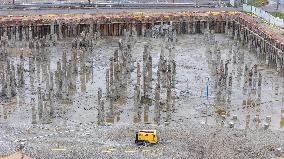
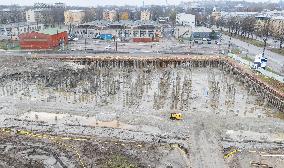
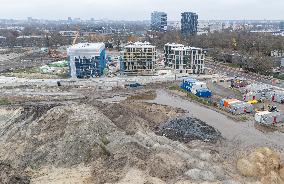
09.11.2025. Tallinn. Hipodroomi depvelopment is under construction. The Hipodroomi development is a large-scale mixed-use project transforming the historic horse racing area into a modern urban district. It will feature residential buildings, offices, retail spaces, and green areas, creating a vibrant community hub. Photo Eero Vabamägi, Postimees

  •  
Hipodroomi depvelopment

Hipodroomi depvelopment

09.11.2025. Tallinn. Hipodroomi depvelopment is under construction. The Hipodroomi development is a large-scale mixed-use project transforming the historic horse racing area into a modern urban district. It will feature residential buildings, offices, retail spaces, and green areas, creating a vibrant community hub. Photo Eero Vabamägi, Postimees

  •  
Hipodroomi depvelopment

Hipodroomi depvelopment

09.11.2025. Tallinn. Hipodroomi depvelopment is under construction. The Hipodroomi development is a large-scale mixed-use project transforming the historic horse racing area into a modern urban district. It will feature residential buildings, offices, retail spaces, and green areas, creating a vibrant community hub. Photo Eero Vabamägi, Postimees

  •  

US: Autumn Colors Light Up New England

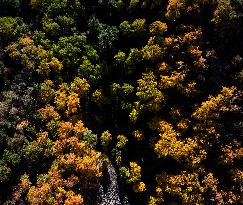
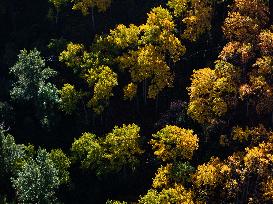
Autumn colors are peaking across New England, including Rhode Island and New Hampshire. Visitors and locals alike are capturing the seasonal foliage, showcasing vibrant reds, oranges, and yellows in forests, parks, and scenic landscapes.

  •  

US: Autumn Colors Light Up New England 2

Autumn colors are peaking across New England, including Rhode Island and New Hampshire. Visitors and locals alike are capturing the seasonal foliage, showcasing vibrant reds, oranges, and yellows in forests, parks, and scenic landscapes.

  •  
Vladivostok Glass Beach Views - Russia

Vladivostok Glass Beach Views - Russia

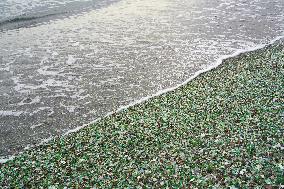
This photo taken on on October 5, 2025 shows a view of Glass Beach in Vladivostok, Russia. Located in Ussuri Bay on the outskirts of Vladivostok, Glass Beach was once a dumping site for discarded glassware. After decades of being washed by the sea, the glass fragments have been polished into smooth, colorful pebbles, creating a vibrant shoreline that attracts large number of tourists. Photo by Guo Feizhou/Xinhua/ABACAPRESS.COM

  •  
Vladivostok Glass Beach Views - Russia

Vladivostok Glass Beach Views - Russia

This photo taken on on October 5, 2025 shows a view of Glass Beach in Vladivostok, Russia. Located in Ussuri Bay on the outskirts of Vladivostok, Glass Beach was once a dumping site for discarded glassware. After decades of being washed by the sea, the glass fragments have been polished into smooth, colorful pebbles, creating a vibrant shoreline that attracts large number of tourists. Photo by Guo Feizhou/Xinhua/ABACAPRESS.COM

  •  
Vladivostok Glass Beach Views - Russia

Vladivostok Glass Beach Views - Russia

This photo taken on on October 5, 2025 shows a view of Glass Beach in Vladivostok, Russia. Located in Ussuri Bay on the outskirts of Vladivostok, Glass Beach was once a dumping site for discarded glassware. After decades of being washed by the sea, the glass fragments have been polished into smooth, colorful pebbles, creating a vibrant shoreline that attracts large number of tourists. Photo by Guo Feizhou/Xinhua/ABACAPRESS.COM

  •  
Vladivostok Glass Beach Views - Russia

Vladivostok Glass Beach Views - Russia

This photo taken on on October 5, 2025 shows a view of Glass Beach in Vladivostok, Russia. Located in Ussuri Bay on the outskirts of Vladivostok, Glass Beach was once a dumping site for discarded glassware. After decades of being washed by the sea, the glass fragments have been polished into smooth, colorful pebbles, creating a vibrant shoreline that attracts large number of tourists. Photo by Guo Feizhou/Xinhua/ABACAPRESS.COM

  •  
Vladivostok Glass Beach Views - Russia

Vladivostok Glass Beach Views - Russia

This photo taken on on October 5, 2025 shows a view of Glass Beach in Vladivostok, Russia. Located in Ussuri Bay on the outskirts of Vladivostok, Glass Beach was once a dumping site for discarded glassware. After decades of being washed by the sea, the glass fragments have been polished into smooth, colorful pebbles, creating a vibrant shoreline that attracts large number of tourists. Photo by Guo Feizhou/Xinhua/ABACAPRESS.COM

  •  
Issyk Gorge in Almaty Region - Kazakshta

Issyk Gorge in Almaty Region - Kazakshta

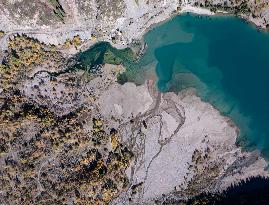
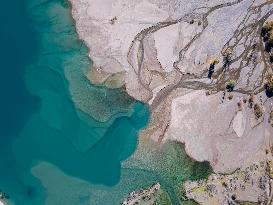
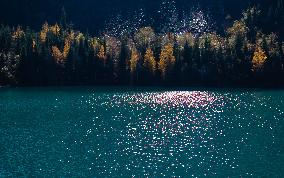
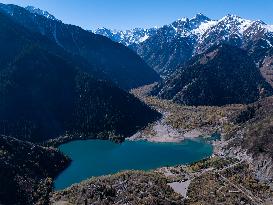
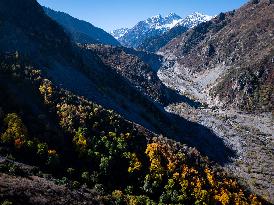
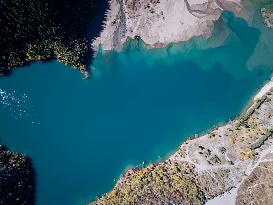
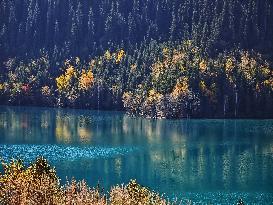
An aerial photo taken on Oct. 4, 2025 shows the autumn scenery of the Issyk gorge in Almaty Region, Kazakhstan. The Issyk gorge and Issyk lake, located in Almaty Region, Kazakhstan, are famous tourist destinations. The beautiful lake, majestic snow-capped mountains and gorge, and vibrant foliage collectively paint an idyllic autumn landscape here. Photo by Li Renzi/Xinhua/ABACAPRESS.COM

  •  
Issyk Gorge in Almaty Region - Kazakshta

Issyk Gorge in Almaty Region - Kazakshta

An aerial photo taken on Oct. 4, 2025 shows the autumn scenery of the Issyk gorge in Almaty Region, Kazakhstan. The Issyk gorge and Issyk lake, located in Almaty Region, Kazakhstan, are famous tourist destinations. The beautiful lake, majestic snow-capped mountains and gorge, and vibrant foliage collectively paint an idyllic autumn landscape here. Photo by Li Renzi/Xinhua/ABACAPRESS.COM

  •  
Issyk Gorge in Almaty Region - Kazakshta

Issyk Gorge in Almaty Region - Kazakshta

An aerial photo taken on Oct. 4, 2025 shows the autumn scenery of the Issyk gorge in Almaty Region, Kazakhstan. The Issyk gorge and Issyk lake, located in Almaty Region, Kazakhstan, are famous tourist destinations. The beautiful lake, majestic snow-capped mountains and gorge, and vibrant foliage collectively paint an idyllic autumn landscape here. Photo by Li Renzi/Xinhua/ABACAPRESS.COM

  •  
Issyk Gorge in Almaty Region - Kazakshta

Issyk Gorge in Almaty Region - Kazakshta

An aerial photo taken on Oct. 4, 2025 shows the autumn scenery of the Issyk gorge in Almaty Region, Kazakhstan. The Issyk gorge and Issyk lake, located in Almaty Region, Kazakhstan, are famous tourist destinations. The beautiful lake, majestic snow-capped mountains and gorge, and vibrant foliage collectively paint an idyllic autumn landscape here. Photo by Li Renzi/Xinhua/ABACAPRESS.COM

  •  
Issyk Gorge in Almaty Region - Kazakshta

Issyk Gorge in Almaty Region - Kazakshta

An aerial photo taken on Oct. 4, 2025 shows the autumn scenery of the Issyk gorge in Almaty Region, Kazakhstan. The Issyk gorge and Issyk lake, located in Almaty Region, Kazakhstan, are famous tourist destinations. The beautiful lake, majestic snow-capped mountains and gorge, and vibrant foliage collectively paint an idyllic autumn landscape here. Photo by Li Renzi/Xinhua/ABACAPRESS.COM

  •  
Issyk Gorge in Almaty Region - Kazakshta

Issyk Gorge in Almaty Region - Kazakshta

An aerial photo taken on Oct. 4, 2025 shows the autumn scenery of the Issyk gorge in Almaty Region, Kazakhstan. The Issyk gorge and Issyk lake, located in Almaty Region, Kazakhstan, are famous tourist destinations. The beautiful lake, majestic snow-capped mountains and gorge, and vibrant foliage collectively paint an idyllic autumn landscape here. Photo by Li Renzi/Xinhua/ABACAPRESS.COM

  •  
Issyk Gorge in Almaty Region - Kazakshta

Issyk Gorge in Almaty Region - Kazakshta

An aerial photo taken on Oct. 4, 2025 shows the autumn scenery of the Issyk gorge in Almaty Region, Kazakhstan. The Issyk gorge and Issyk lake, located in Almaty Region, Kazakhstan, are famous tourist destinations. The beautiful lake, majestic snow-capped mountains and gorge, and vibrant foliage collectively paint an idyllic autumn landscape here. Photo by Li Renzi/Xinhua/ABACAPRESS.COM

  •  
Issyk Gorge in Almaty Region - Kazakshta

Issyk Gorge in Almaty Region - Kazakshta

An aerial photo taken on Oct. 4, 2025 shows the autumn scenery of the Issyk gorge in Almaty Region, Kazakhstan. The Issyk gorge and Issyk lake, located in Almaty Region, Kazakhstan, are famous tourist destinations. The beautiful lake, majestic snow-capped mountains and gorge, and vibrant foliage collectively paint an idyllic autumn landscape here. Photo by Li Renzi/Xinhua/ABACAPRESS.COM

  •  
Issyk Gorge in Almaty Region - Kazakshta

Issyk Gorge in Almaty Region - Kazakshta

An aerial photo taken on Oct. 4, 2025 shows the autumn scenery of the Issyk gorge in Almaty Region, Kazakhstan. The Issyk gorge and Issyk lake, located in Almaty Region, Kazakhstan, are famous tourist destinations. The beautiful lake, majestic snow-capped mountains and gorge, and vibrant foliage collectively paint an idyllic autumn landscape here. Photo by Li Renzi/Xinhua/ABACAPRESS.COM

  •  
Issyk Gorge in Almaty Region - Kazakshta

Issyk Gorge in Almaty Region - Kazakshta

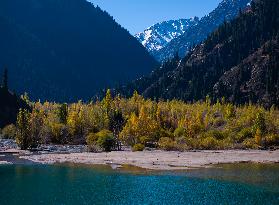
This photo taken with a mobile phone on Oct. 4, 2025 shows the autumn scenery of the Issyk lake in Almaty Region, Kazakhstan. The Issyk gorge and Issyk lake, located in Almaty Region, Kazakhstan, are famous tourist destinations. The beautiful lake, majestic snow-capped mountains and gorge, and vibrant foliage collectively paint an idyllic autumn landscape here. Photo by Zhao Yu/Xinhua/ABACAPRESS.COM

  •  
Circassian Dances Celebrate Aleppo Citadel Reopening - Syria

Circassian Dances Celebrate Aleppo Citadel Reopening - Syria

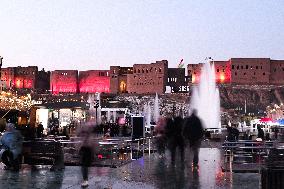
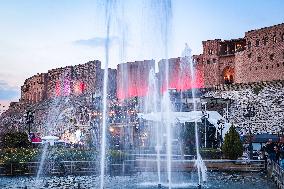
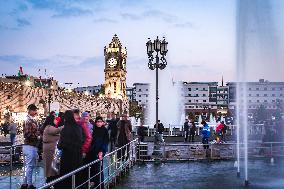
A female guitarist performs on stage against a vibrant backdrop during the reopening of the historic Aleppo Citadel, combining modern rhythms with local traditions in a celebration of post-war cultural revival. Aleppo, Syria on September 28, 2025. Photo by Mohammad Daher/ABACAPRESS.COM

  •  
Indian Kalbeliya Gypsy Dancers Performs - India

Indian Kalbeliya Gypsy Dancers Performs - India

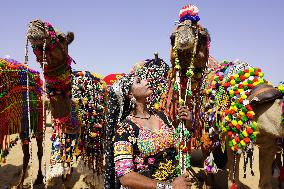
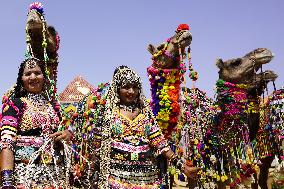
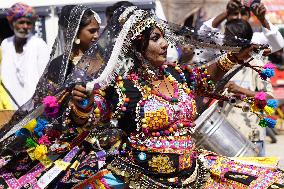
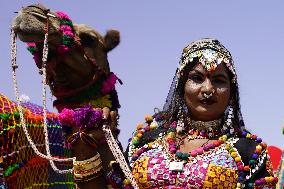
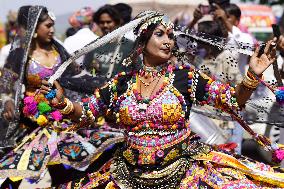
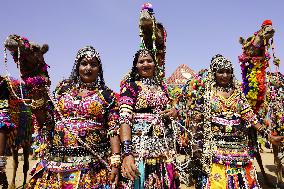
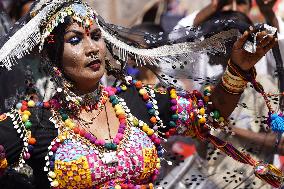
Indian Kalbeliya gypsy dancers Performs during the "World Tourism Day" celebration at the Desert of Pushkar, Rajasthan, India on September 27, 2025. Kalbeliya refers to both a nomadic community of traditional snake-catchers in Rajasthan, India, and a vibrant folk dance performed by this community, also known as the "Snake Charmer Dance" or "Sapera Dance". The dance, which features serpentine movements, traditional instruments like the pungi (snake charmer's pipe), and colorful attire, is a significant part of the Kalbelia tribe's oral history and cultural heritage, recognized by UNESCO as an Intangible Cultural Heritage. Photo by ABACAPRESS.COM

  •  
Indian Kalbeliya Gypsy Dancers Performs - India

Indian Kalbeliya Gypsy Dancers Performs - India

Indian Kalbeliya gypsy dancers Performs during the "World Tourism Day" celebration at the Desert of Pushkar, Rajasthan, India on September 27, 2025. Kalbeliya refers to both a nomadic community of traditional snake-catchers in Rajasthan, India, and a vibrant folk dance performed by this community, also known as the "Snake Charmer Dance" or "Sapera Dance". The dance, which features serpentine movements, traditional instruments like the pungi (snake charmer's pipe), and colorful attire, is a significant part of the Kalbelia tribe's oral history and cultural heritage, recognized by UNESCO as an Intangible Cultural Heritage. Photo by ABACAPRESS.COM

  •  
Indian Kalbeliya Gypsy Dancers Performs - India

Indian Kalbeliya Gypsy Dancers Performs - India

Indian Kalbeliya gypsy dancers Performs during the "World Tourism Day" celebration at the Desert of Pushkar, Rajasthan, India on September 27, 2025. Kalbeliya refers to both a nomadic community of traditional snake-catchers in Rajasthan, India, and a vibrant folk dance performed by this community, also known as the "Snake Charmer Dance" or "Sapera Dance". The dance, which features serpentine movements, traditional instruments like the pungi (snake charmer's pipe), and colorful attire, is a significant part of the Kalbelia tribe's oral history and cultural heritage, recognized by UNESCO as an Intangible Cultural Heritage. Photo by ABACAPRESS.COM

  •  
Indian Kalbeliya Gypsy Dancers Performs - India

Indian Kalbeliya Gypsy Dancers Performs - India

Indian Kalbeliya gypsy dancers Performs during the "World Tourism Day" celebration at the Desert of Pushkar, Rajasthan, India on September 27, 2025. Kalbeliya refers to both a nomadic community of traditional snake-catchers in Rajasthan, India, and a vibrant folk dance performed by this community, also known as the "Snake Charmer Dance" or "Sapera Dance". The dance, which features serpentine movements, traditional instruments like the pungi (snake charmer's pipe), and colorful attire, is a significant part of the Kalbelia tribe's oral history and cultural heritage, recognized by UNESCO as an Intangible Cultural Heritage. Photo by ABACAPRESS.COM

  •  
Indian Kalbeliya Gypsy Dancers Performs - India

Indian Kalbeliya Gypsy Dancers Performs - India

Indian Kalbeliya gypsy dancers Performs during the "World Tourism Day" celebration at the Desert of Pushkar, Rajasthan, India on September 27, 2025. Kalbeliya refers to both a nomadic community of traditional snake-catchers in Rajasthan, India, and a vibrant folk dance performed by this community, also known as the "Snake Charmer Dance" or "Sapera Dance". The dance, which features serpentine movements, traditional instruments like the pungi (snake charmer's pipe), and colorful attire, is a significant part of the Kalbelia tribe's oral history and cultural heritage, recognized by UNESCO as an Intangible Cultural Heritage. Photo by ABACAPRESS.COM

  •  
Indian Kalbeliya Gypsy Dancers Performs - India

Indian Kalbeliya Gypsy Dancers Performs - India

Indian Kalbeliya gypsy dancers Performs during the "World Tourism Day" celebration at the Desert of Pushkar, Rajasthan, India on September 27, 2025. Kalbeliya refers to both a nomadic community of traditional snake-catchers in Rajasthan, India, and a vibrant folk dance performed by this community, also known as the "Snake Charmer Dance" or "Sapera Dance". The dance, which features serpentine movements, traditional instruments like the pungi (snake charmer's pipe), and colorful attire, is a significant part of the Kalbelia tribe's oral history and cultural heritage, recognized by UNESCO as an Intangible Cultural Heritage. Photo by ABACAPRESS.COM

  •  
Indian Kalbeliya Gypsy Dancers Performs - India

Indian Kalbeliya Gypsy Dancers Performs - India

Indian Kalbeliya gypsy dancers Performs during the "World Tourism Day" celebration at the Desert of Pushkar, Rajasthan, India on September 27, 2025. Kalbeliya refers to both a nomadic community of traditional snake-catchers in Rajasthan, India, and a vibrant folk dance performed by this community, also known as the "Snake Charmer Dance" or "Sapera Dance". The dance, which features serpentine movements, traditional instruments like the pungi (snake charmer's pipe), and colorful attire, is a significant part of the Kalbelia tribe's oral history and cultural heritage, recognized by UNESCO as an Intangible Cultural Heritage. Photo by ABACAPRESS.COM

  •  
Indian Kalbeliya Gypsy Dancers Performs - India

Indian Kalbeliya Gypsy Dancers Performs - India

Indian Kalbeliya gypsy dancers Performs during the "World Tourism Day" celebration at the Desert of Pushkar, Rajasthan, India on September 27, 2025. Kalbeliya refers to both a nomadic community of traditional snake-catchers in Rajasthan, India, and a vibrant folk dance performed by this community, also known as the "Snake Charmer Dance" or "Sapera Dance". The dance, which features serpentine movements, traditional instruments like the pungi (snake charmer's pipe), and colorful attire, is a significant part of the Kalbelia tribe's oral history and cultural heritage, recognized by UNESCO as an Intangible Cultural Heritage. Photo by ABACAPRESS.COM

  •  
Indian Kalbeliya Gypsy Dancers Performs - India

Indian Kalbeliya Gypsy Dancers Performs - India

Indian Kalbeliya gypsy dancers Performs during the "World Tourism Day" celebration at the Desert of Pushkar, Rajasthan, India on September 27, 2025. Kalbeliya refers to both a nomadic community of traditional snake-catchers in Rajasthan, India, and a vibrant folk dance performed by this community, also known as the "Snake Charmer Dance" or "Sapera Dance". The dance, which features serpentine movements, traditional instruments like the pungi (snake charmer's pipe), and colorful attire, is a significant part of the Kalbelia tribe's oral history and cultural heritage, recognized by UNESCO as an Intangible Cultural Heritage. Photo by ABACAPRESS.COM

  •  
Indian Kalbeliya Gypsy Dancers Performs - India

Indian Kalbeliya Gypsy Dancers Performs - India

Indian Kalbeliya gypsy dancers Performs during the "World Tourism Day" celebration at the Desert of Pushkar, Rajasthan, India on September 27, 2025. Kalbeliya refers to both a nomadic community of traditional snake-catchers in Rajasthan, India, and a vibrant folk dance performed by this community, also known as the "Snake Charmer Dance" or "Sapera Dance". The dance, which features serpentine movements, traditional instruments like the pungi (snake charmer's pipe), and colorful attire, is a significant part of the Kalbelia tribe's oral history and cultural heritage, recognized by UNESCO as an Intangible Cultural Heritage. Photo by ABACAPRESS.COM

  •  
Indian Kalbeliya Gypsy Dancers Performs - India

Indian Kalbeliya Gypsy Dancers Performs - India

Indian Kalbeliya gypsy dancers Performs during the "World Tourism Day" celebration at the Desert of Pushkar, Rajasthan, India on September 27, 2025. Kalbeliya refers to both a nomadic community of traditional snake-catchers in Rajasthan, India, and a vibrant folk dance performed by this community, also known as the "Snake Charmer Dance" or "Sapera Dance". The dance, which features serpentine movements, traditional instruments like the pungi (snake charmer's pipe), and colorful attire, is a significant part of the Kalbelia tribe's oral history and cultural heritage, recognized by UNESCO as an Intangible Cultural Heritage. Photo by ABACAPRESS.COM

  •  
Indian Kalbeliya Gypsy Dancers Performs - India

Indian Kalbeliya Gypsy Dancers Performs - India

Indian Kalbeliya gypsy dancers Performs during the "World Tourism Day" celebration at the Desert of Pushkar, Rajasthan, India on September 27, 2025. Kalbeliya refers to both a nomadic community of traditional snake-catchers in Rajasthan, India, and a vibrant folk dance performed by this community, also known as the "Snake Charmer Dance" or "Sapera Dance". The dance, which features serpentine movements, traditional instruments like the pungi (snake charmer's pipe), and colorful attire, is a significant part of the Kalbelia tribe's oral history and cultural heritage, recognized by UNESCO as an Intangible Cultural Heritage. Photo by ABACAPRESS.COM

  •  
Indian Kalbeliya Gypsy Dancers Performs - India

Indian Kalbeliya Gypsy Dancers Performs - India

Indian Kalbeliya gypsy dancers Performs during the "World Tourism Day" celebration at the Desert of Pushkar, Rajasthan, India on September 27, 2025. Kalbeliya refers to both a nomadic community of traditional snake-catchers in Rajasthan, India, and a vibrant folk dance performed by this community, also known as the "Snake Charmer Dance" or "Sapera Dance". The dance, which features serpentine movements, traditional instruments like the pungi (snake charmer's pipe), and colorful attire, is a significant part of the Kalbelia tribe's oral history and cultural heritage, recognized by UNESCO as an Intangible Cultural Heritage. Photo by ABACAPRESS.COM

  •  
Indian Kalbeliya Gypsy Dancers Performs - India

Indian Kalbeliya Gypsy Dancers Performs - India

Indian Kalbeliya gypsy dancers Performs during the "World Tourism Day" celebration at the Desert of Pushkar, Rajasthan, India on September 27, 2025. Kalbeliya refers to both a nomadic community of traditional snake-catchers in Rajasthan, India, and a vibrant folk dance performed by this community, also known as the "Snake Charmer Dance" or "Sapera Dance". The dance, which features serpentine movements, traditional instruments like the pungi (snake charmer's pipe), and colorful attire, is a significant part of the Kalbelia tribe's oral history and cultural heritage, recognized by UNESCO as an Intangible Cultural Heritage. Photo by ABACAPRESS.COM

  •  
Indian Kalbeliya Gypsy Dancers Performs - India

Indian Kalbeliya Gypsy Dancers Performs - India

Indian Kalbeliya gypsy dancers Performs during the "World Tourism Day" celebration at the Desert of Pushkar, Rajasthan, India on September 27, 2025. Kalbeliya refers to both a nomadic community of traditional snake-catchers in Rajasthan, India, and a vibrant folk dance performed by this community, also known as the "Snake Charmer Dance" or "Sapera Dance". The dance, which features serpentine movements, traditional instruments like the pungi (snake charmer's pipe), and colorful attire, is a significant part of the Kalbelia tribe's oral history and cultural heritage, recognized by UNESCO as an Intangible Cultural Heritage. Photo by ABACAPRESS.COM

  •  
Indian Kalbeliya Gypsy Dancers Performs - India

Indian Kalbeliya Gypsy Dancers Performs - India

Indian Kalbeliya gypsy dancers Performs during the "World Tourism Day" celebration at the Desert of Pushkar, Rajasthan, India on September 27, 2025. Kalbeliya refers to both a nomadic community of traditional snake-catchers in Rajasthan, India, and a vibrant folk dance performed by this community, also known as the "Snake Charmer Dance" or "Sapera Dance". The dance, which features serpentine movements, traditional instruments like the pungi (snake charmer's pipe), and colorful attire, is a significant part of the Kalbelia tribe's oral history and cultural heritage, recognized by UNESCO as an Intangible Cultural Heritage. Photo by ABACAPRESS.COM

  •  
Indian Kalbeliya Gypsy Dancers Performs - India

Indian Kalbeliya Gypsy Dancers Performs - India

Indian Kalbeliya gypsy dancers Performs during the "World Tourism Day" celebration at the Desert of Pushkar, Rajasthan, India on September 27, 2025. Kalbeliya refers to both a nomadic community of traditional snake-catchers in Rajasthan, India, and a vibrant folk dance performed by this community, also known as the "Snake Charmer Dance" or "Sapera Dance". The dance, which features serpentine movements, traditional instruments like the pungi (snake charmer's pipe), and colorful attire, is a significant part of the Kalbelia tribe's oral history and cultural heritage, recognized by UNESCO as an Intangible Cultural Heritage. Photo by ABACAPRESS.COM

  •  
Indian Kalbeliya Gypsy Dancers Performs - India

Indian Kalbeliya Gypsy Dancers Performs - India

Indian Kalbeliya gypsy dancers Performs during the "World Tourism Day" celebration at the Desert of Pushkar, Rajasthan, India on September 27, 2025. Kalbeliya refers to both a nomadic community of traditional snake-catchers in Rajasthan, India, and a vibrant folk dance performed by this community, also known as the "Snake Charmer Dance" or "Sapera Dance". The dance, which features serpentine movements, traditional instruments like the pungi (snake charmer's pipe), and colorful attire, is a significant part of the Kalbelia tribe's oral history and cultural heritage, recognized by UNESCO as an Intangible Cultural Heritage. Photo by ABACAPRESS.COM

  •  
World Tourism Day Celebration - India

World Tourism Day Celebration - India

Indian Kalbeliya gypsy dancers Performs during the "World Tourism Day" celebration at the Desert of Pushkar, Rajasthan, India on September 27, 2025. Kalbeliya refers to both a nomadic community of traditional snake-catchers in Rajasthan, India, and a vibrant folk dance performed by this community, also known as the "Snake Charmer Dance" or "Sapera Dance". The dance, which features serpentine movements, traditional instruments like the pungi (snake charmer's pipe), and colorful attire, is a significant part of the Kalbelia tribe's oral history and cultural heritage, recognized by UNESCO as an Intangible Cultural Heritage. Photo by Himanshu Sharma/ABACAPRESS.COM

  •  
World Tourism Day Celebration - India

World Tourism Day Celebration - India

Indian Kalbeliya gypsy dancers Performs during the "World Tourism Day" celebration at the Desert of Pushkar, Rajasthan, India on September 27, 2025. Kalbeliya refers to both a nomadic community of traditional snake-catchers in Rajasthan, India, and a vibrant folk dance performed by this community, also known as the "Snake Charmer Dance" or "Sapera Dance". The dance, which features serpentine movements, traditional instruments like the pungi (snake charmer's pipe), and colorful attire, is a significant part of the Kalbelia tribe's oral history and cultural heritage, recognized by UNESCO as an Intangible Cultural Heritage. Photo by Himanshu Sharma/ABACAPRESS.COM

  •  
Illustration - Pays-Basque

Illustration - Pays-Basque

FRANCE, AQUITAINE, PYRENEES ATLANTIQUES, BASQUE COUNTRY, , IN JULY 2025, THE VILLAGE OF IRISSARRY CELEBRATED ITS CAVALCADE, A VIBRANT BASQUE TRADITION COMBINING SATIRICAL THEATER, TRADITIONAL DANCES, AND VIBRANT COSTUMES. SET TO A BACKDROP OF LOCAL MUSIC AND HUMOR, THE BOLANTAK, COLORFUL CHARACTERS IN FLAMBOYANT ATTIRE, LED THE PROCESSION. THIS POPULAR FESTIVAL BRINGS TOGETHER GENERATIONS AROUND A FESTIVE AND COMMITTED SHOW, REFLECTING BASQUE CULTURE IN ALL ITS CREATIVITY AND ATTACHMENT TO ITS ROOTS Photo by Severine Dabadie/Only France/ABACAPRESS.COM

  •  
Artisans Preserve Legacy of Truck Painting - Pakistan

Artisans Preserve Legacy of Truck Painting - Pakistan

An artisan carefully paints a vibrant peacock motif on the side of a truck at a workshop in the Pirwadhai area of Rawalpindi, Pakistan, on July 31, 2025. Adorned with intricate designs, mirror work, and bold colors, truck art remains a powerful symbol of cultural identity and craftsmanship across Pakistan. This long-standing tradition, which began in the 1920s, transforms cargo vehicles into moving canvases that reflect poetry, politics, religious devotion, and personal pride. Each truck serves as a unique artistic expression by its owner and painter, often featuring animals, calligraphy, landscapes, and portraits of cultural icons. Photo by Raja Imran/Middle East Images/ABACAPRESS.COM

  •  
Artisans Preserve Legacy of Truck Painting - Pakistan

Artisans Preserve Legacy of Truck Painting - Pakistan

An artisan carefully paints a vibrant peacock motif on the side of a truck at a workshop in the Pirwadhai area of Rawalpindi, Pakistan, on July 31, 2025. Adorned with intricate designs, mirror work, and bold colors, truck art remains a powerful symbol of cultural identity and craftsmanship across Pakistan. This long-standing tradition, which began in the 1920s, transforms cargo vehicles into moving canvases that reflect poetry, politics, religious devotion, and personal pride. Each truck serves as a unique artistic expression by its owner and painter, often featuring animals, calligraphy, landscapes, and portraits of cultural icons. Photo by Raja Imran/Middle East Images/ABACAPRESS.COM

  •  
Artisans Preserve Legacy of Truck Painting - Pakistan

Artisans Preserve Legacy of Truck Painting - Pakistan

An artisan carefully paints a vibrant peacock motif on the side of a truck at a workshop in the Pirwadhai area of Rawalpindi, Pakistan, on July 31, 2025. Adorned with intricate designs, mirror work, and bold colors, truck art remains a powerful symbol of cultural identity and craftsmanship across Pakistan. This long-standing tradition, which began in the 1920s, transforms cargo vehicles into moving canvases that reflect poetry, politics, religious devotion, and personal pride. Each truck serves as a unique artistic expression by its owner and painter, often featuring animals, calligraphy, landscapes, and portraits of cultural icons. Photo by Raja Imran/Middle East Images/ABACAPRESS.COM

  •  
Artisans Preserve Legacy of Truck Painting - Pakistan

Artisans Preserve Legacy of Truck Painting - Pakistan

An artisan carefully paints a vibrant peacock motif on the side of a truck at a workshop in the Pirwadhai area of Rawalpindi, Pakistan, on July 31, 2025. Adorned with intricate designs, mirror work, and bold colors, truck art remains a powerful symbol of cultural identity and craftsmanship across Pakistan. This long-standing tradition, which began in the 1920s, transforms cargo vehicles into moving canvases that reflect poetry, politics, religious devotion, and personal pride. Each truck serves as a unique artistic expression by its owner and painter, often featuring animals, calligraphy, landscapes, and portraits of cultural icons. Photo by Raja Imran/Middle East Images/ABACAPRESS.COM

  •  
Artisans Preserve Legacy of Truck Painting - Pakistan

Artisans Preserve Legacy of Truck Painting - Pakistan

An artisan carefully paints a vibrant peacock motif on the side of a truck at a workshop in the Pirwadhai area of Rawalpindi, Pakistan, on July 31, 2025. Adorned with intricate designs, mirror work, and bold colors, truck art remains a powerful symbol of cultural identity and craftsmanship across Pakistan. This long-standing tradition, which began in the 1920s, transforms cargo vehicles into moving canvases that reflect poetry, politics, religious devotion, and personal pride. Each truck serves as a unique artistic expression by its owner and painter, often featuring animals, calligraphy, landscapes, and portraits of cultural icons. Photo by Raja Imran/Middle East Images/ABACAPRESS.COM

  •  
Artisans Preserve Legacy of Truck Painting - Pakistan

Artisans Preserve Legacy of Truck Painting - Pakistan

An artisan carefully paints a vibrant peacock motif on the side of a truck at a workshop in the Pirwadhai area of Rawalpindi, Pakistan, on July 31, 2025. Adorned with intricate designs, mirror work, and bold colors, truck art remains a powerful symbol of cultural identity and craftsmanship across Pakistan. This long-standing tradition, which began in the 1920s, transforms cargo vehicles into moving canvases that reflect poetry, politics, religious devotion, and personal pride. Each truck serves as a unique artistic expression by its owner and painter, often featuring animals, calligraphy, landscapes, and portraits of cultural icons. Photo by Raja Imran/Middle East Images/ABACAPRESS.COM

  •  
Artisans Preserve Legacy of Truck Painting - Pakistan

Artisans Preserve Legacy of Truck Painting - Pakistan

An artisan carefully paints a vibrant peacock motif on the side of a truck at a workshop in the Pirwadhai area of Rawalpindi, Pakistan, on July 31, 2025. Adorned with intricate designs, mirror work, and bold colors, truck art remains a powerful symbol of cultural identity and craftsmanship across Pakistan. This long-standing tradition, which began in the 1920s, transforms cargo vehicles into moving canvases that reflect poetry, politics, religious devotion, and personal pride. Each truck serves as a unique artistic expression by its owner and painter, often featuring animals, calligraphy, landscapes, and portraits of cultural icons. Photo by Raja Imran/Middle East Images/ABACAPRESS.COM

  •  
Artisans Preserve Legacy of Truck Painting - Pakistan

Artisans Preserve Legacy of Truck Painting - Pakistan

An artisan carefully paints a vibrant peacock motif on the side of a truck at a workshop in the Pirwadhai area of Rawalpindi, Pakistan, on July 31, 2025. Adorned with intricate designs, mirror work, and bold colors, truck art remains a powerful symbol of cultural identity and craftsmanship across Pakistan. This long-standing tradition, which began in the 1920s, transforms cargo vehicles into moving canvases that reflect poetry, politics, religious devotion, and personal pride. Each truck serves as a unique artistic expression by its owner and painter, often featuring animals, calligraphy, landscapes, and portraits of cultural icons. Photo by Raja Imran/Middle East Images/ABACAPRESS.COM

  • Main
  • Top
  • Editorial
  • Creative
  • About Us
  • About ILG
  • Terms of use
  • Company
  • BEHIND
  • Price List
  • Single Plan
  • Monthly Plan
  • Services
  • Shooting
  • Rights Clearance
  • Support
  • FAQ
  • How To Buy
  • Contact Us
  • Become a Partner

© KYODO NEWS IMAGES INC

All Rights Reserved.

  • Editorial
  • Olympics
  • News
  • Sports
  • Japan
  • Tech
  • Royal
  • Disaster
  • NorthKorea
  • Old Japan
  • SNS
  • Creative
  • Food
  • Japan
  • Landscape
  • Animal
  • Popular
  • #Ukraine
  • #Thailand
  • #coronavirus
  • #N. Korea
  • #Russia
  • #China
  • #Ukraine
  • #Thailand
  • #coronavirus
  • #N. Korea
  • #Russia
  • #China
  • Food
  • Japan
  • Landscape
  • Animal
  • Olympics
  • News
  • Sports
  • Japan
  • Tech
  • Royal
  • Disaster
  • NorthKorea
  • Old Japan
  • SNS