•  
River Pollution - Dhaka

River Pollution - Dhaka

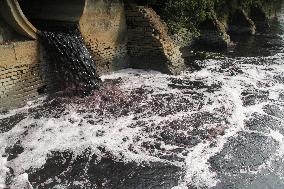
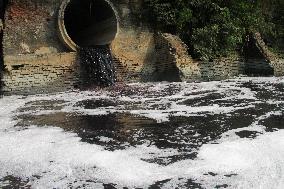
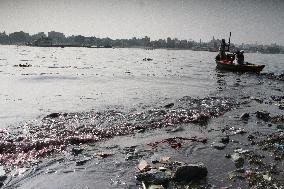
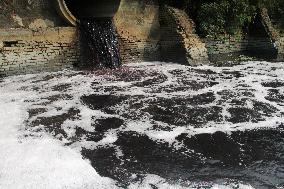
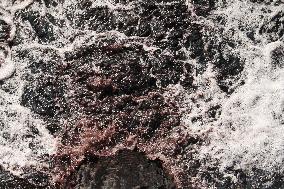
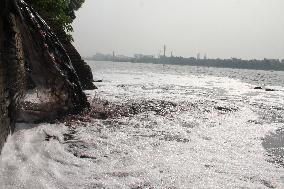
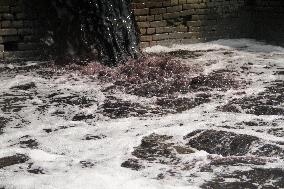
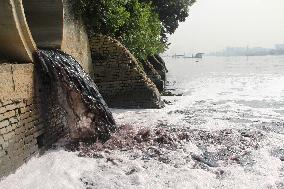
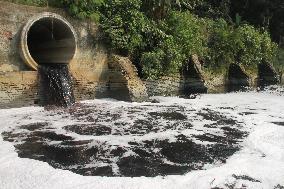
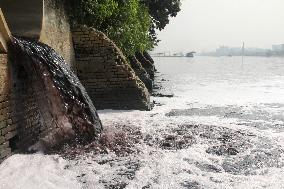
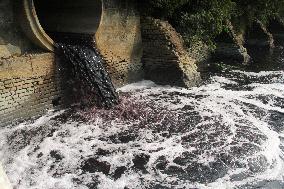
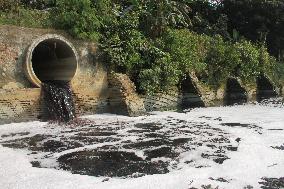
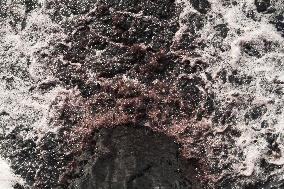
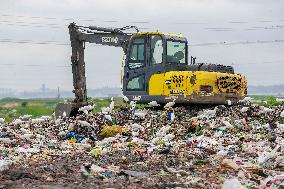
Waste from over a hundred print, knit, dyeing, and plastic factories in Dhaka, Bangladesh, flows into the Buriganga River each day, turning its water toxic with high levels of ammonia, oil, grease, and phenol, as seen in Dhaka, Bangladesh, on December 08, 2025. Photo by Habibur Rahman/ABACAPRESS.COM

  •  
River Pollution - Dhaka

River Pollution - Dhaka

Waste from over a hundred print, knit, dyeing, and plastic factories in Dhaka, Bangladesh, flows into the Buriganga River each day, turning its water toxic with high levels of ammonia, oil, grease, and phenol, as seen in Dhaka, Bangladesh, on December 08, 2025. Photo by Habibur Rahman/ABACAPRESS.COM

  •  
River Pollution - Dhaka

River Pollution - Dhaka

Waste from over a hundred print, knit, dyeing, and plastic factories in Dhaka, Bangladesh, flows into the Buriganga River each day, turning its water toxic with high levels of ammonia, oil, grease, and phenol, as seen in Dhaka, Bangladesh, on December 08, 2025. Photo by Habibur Rahman/ABACAPRESS.COM

  •  
River Pollution - Dhaka

River Pollution - Dhaka

Waste from over a hundred print, knit, dyeing, and plastic factories in Dhaka, Bangladesh, flows into the Buriganga River each day, turning its water toxic with high levels of ammonia, oil, grease, and phenol, as seen in Dhaka, Bangladesh, on December 08, 2025. Photo by Habibur Rahman/ABACAPRESS.COM

  •  
River Pollution - Dhaka

River Pollution - Dhaka

Waste from over a hundred print, knit, dyeing, and plastic factories in Dhaka, Bangladesh, flows into the Buriganga River each day, turning its water toxic with high levels of ammonia, oil, grease, and phenol, as seen in Dhaka, Bangladesh, on December 08, 2025. Photo by Habibur Rahman/ABACAPRESS.COM

  •  
River Pollution - Dhaka

River Pollution - Dhaka

Waste from over a hundred print, knit, dyeing, and plastic factories in Dhaka, Bangladesh, flows into the Buriganga River each day, turning its water toxic with high levels of ammonia, oil, grease, and phenol, as seen in Dhaka, Bangladesh, on December 08, 2025. Photo by Habibur Rahman/ABACAPRESS.COM

  •  
River Pollution - Dhaka

River Pollution - Dhaka

Waste from over a hundred print, knit, dyeing, and plastic factories in Dhaka, Bangladesh, flows into the Buriganga River each day, turning its water toxic with high levels of ammonia, oil, grease, and phenol, as seen in Dhaka, Bangladesh, on December 08, 2025. Photo by Habibur Rahman/ABACAPRESS.COM

  •  
River Pollution - Dhaka

River Pollution - Dhaka

Waste from over a hundred print, knit, dyeing, and plastic factories in Dhaka, Bangladesh, flows into the Buriganga River each day, turning its water toxic with high levels of ammonia, oil, grease, and phenol, as seen in Dhaka, Bangladesh, on December 08, 2025. Photo by Habibur Rahman/ABACAPRESS.COM

  •  
River Pollution - Dhaka

River Pollution - Dhaka

Waste from over a hundred print, knit, dyeing, and plastic factories in Dhaka, Bangladesh, flows into the Buriganga River each day, turning its water toxic with high levels of ammonia, oil, grease, and phenol, as seen in Dhaka, Bangladesh, on December 08, 2025. Photo by Habibur Rahman/ABACAPRESS.COM

  •  
River Pollution - Dhaka

River Pollution - Dhaka

Waste from over a hundred print, knit, dyeing, and plastic factories in Dhaka, Bangladesh, flows into the Buriganga River each day, turning its water toxic with high levels of ammonia, oil, grease, and phenol, as seen in Dhaka, Bangladesh, on December 08, 2025. Photo by Habibur Rahman/ABACAPRESS.COM

  •  
River Pollution - Dhaka

River Pollution - Dhaka

Waste from over a hundred print, knit, dyeing, and plastic factories in Dhaka, Bangladesh, flows into the Buriganga River each day, turning its water toxic with high levels of ammonia, oil, grease, and phenol, as seen in Dhaka, Bangladesh, on December 08, 2025. Photo by Habibur Rahman/ABACAPRESS.COM

  •  
River Pollution - Dhaka

River Pollution - Dhaka

Waste from over a hundred print, knit, dyeing, and plastic factories in Dhaka, Bangladesh, flows into the Buriganga River each day, turning its water toxic with high levels of ammonia, oil, grease, and phenol, as seen in Dhaka, Bangladesh, on December 08, 2025. Photo by Habibur Rahman/ABACAPRESS.COM

  •  
River Pollution - Dhaka

River Pollution - Dhaka

Waste from over a hundred print, knit, dyeing, and plastic factories in Dhaka, Bangladesh, flows into the Buriganga River each day, turning its water toxic with high levels of ammonia, oil, grease, and phenol, as seen in Dhaka, Bangladesh, on December 08, 2025. Photo by Habibur Rahman/ABACAPRESS.COM

  •  
Drying Wetland Fuels Dust Storm Crisis - Iran

Drying Wetland Fuels Dust Storm Crisis - Iran

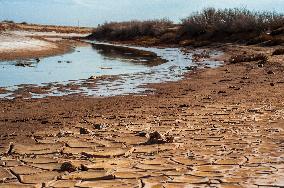
Cracked earth lines the edge of the Eshtehard Wetland on January 5, 2016, in Eshtehard, Iran. Once a seasonal lake, the wetland has largely dried up due to prolonged drought, declining rainfall, and poor water management, becoming a growing source of dust pollution for nearby communities. Photo by Damoun Pournemati/Middle East Images/ABACAPRESS.COM

  •  
Drying Wetland Fuels Dust Storm Crisis - Iran

Drying Wetland Fuels Dust Storm Crisis - Iran

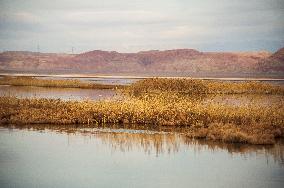
A view of the Eshtehard Wetland on January 5, 2016, in Eshtehard, Iran. Once a seasonal lake, the wetland has largely dried up due to prolonged drought, declining rainfall, and poor water management, becoming a growing source of dust pollution for nearby communities. Photo by Damoun Pournemati/Middle East Images/ABACAPRESS.COM

  •  
Drying Wetland Fuels Dust Storm Crisis - Iran

Drying Wetland Fuels Dust Storm Crisis - Iran

Cracked earth lines the edge of the Eshtehard Wetland on January 5, 2016, in Eshtehard, Iran. Once a seasonal lake, the wetland has largely dried up due to prolonged drought, declining rainfall, and poor water management, becoming a growing source of dust pollution for nearby communities. Photo by Damoun Pournemati/Middle East Images/ABACAPRESS.COM

  •  
Drying Wetland Fuels Dust Storm Crisis - Iran

Drying Wetland Fuels Dust Storm Crisis - Iran

A rifle lies on the cracked ground of the Eshtehard Wetland on January 5, 2016, in Eshtehard, Iran. Once a seasonal lake, the wetland has largely dried up due to prolonged drought, declining rainfall, and poor water management, becoming a growing source of dust pollution for nearby communities. Photo by Damoun Pournemati/Middle East Images/ABACAPRESS.COM

  •  
Drying Wetland Fuels Dust Storm Crisis - Iran

Drying Wetland Fuels Dust Storm Crisis - Iran

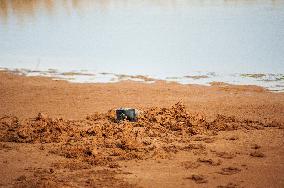
A discarded object is seen on the dried bed of the Eshtehard Wetland on January 5, 2016, in Eshtehard, Iran. Once a seasonal lake, the wetland has largely dried up due to prolonged drought, declining rainfall, and poor water management, becoming a growing source of dust pollution for nearby communities. Photo by Damoun Pournemati/Middle East Images/ABACAPRESS.COM

  •  
Drying Wetland Fuels Dust Storm Crisis - Iran

Drying Wetland Fuels Dust Storm Crisis - Iran

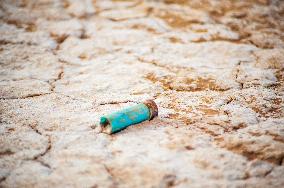
A spent shotgun shell rests on cracked soil at the Eshtehard Wetland on January 5, 2016, in Eshtehard, Iran. Once a seasonal lake, the wetland has largely dried up due to prolonged drought, declining rainfall, and poor water management, becoming a growing source of dust pollution for nearby communities. Photo by Damoun Pournemati/Middle East Images/ABACAPRESS.COM

  •  
Drying Wetland Fuels Dust Storm Crisis - Iran

Drying Wetland Fuels Dust Storm Crisis - Iran

A view of the Eshtehard Wetland on January 5, 2016, in Eshtehard, Iran. Once a seasonal lake, the wetland has largely dried up due to prolonged drought, declining rainfall, and poor water management, becoming a growing source of dust pollution for nearby communities. Photo by Damoun Pournemati/Middle East Images/ABACAPRESS.COM

  •  
Drying Wetland Fuels Dust Storm Crisis - Iran

Drying Wetland Fuels Dust Storm Crisis - Iran

A view of the Eshtehard Wetland on January 5, 2016, in Eshtehard, Iran. Once a seasonal lake, the wetland has largely dried up due to prolonged drought, declining rainfall, and poor water management, becoming a growing source of dust pollution for nearby communities. Photo by Damoun Pournemati/Middle East Images/ABACAPRESS.COM

  •  
Drying Wetland Fuels Dust Storm Crisis - Iran

Drying Wetland Fuels Dust Storm Crisis - Iran

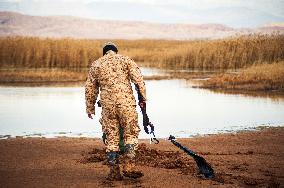
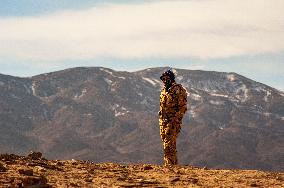
A park ranger walks near the edge of the Eshtehard Wetland on January 5, 2016, in Eshtehard, Iran. Once a seasonal lake, the wetland has largely dried up due to prolonged drought, declining rainfall, and poor water management, becoming a growing source of dust pollution for nearby communities. Photo by Damoun Pournemati/Middle East Images/ABACAPRESS.COM

  •  
Drying Wetland Fuels Dust Storm Crisis - Iran

Drying Wetland Fuels Dust Storm Crisis - Iran

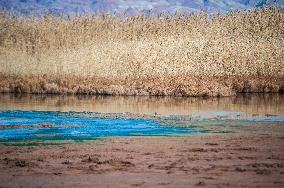
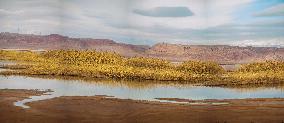
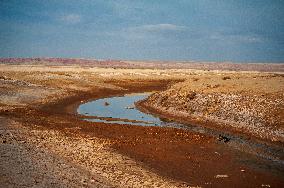
A narrow stream of water runs through the parched expanse of Eshtehard Wetland in Alborz Province, on January 5, 2016, in Eshtehard, Iran. Once a seasonal lake, the wetland has largely dried up due to prolonged drought, declining rainfall, and poor water management, becoming a growing source of dust pollution for nearby communities. Photo by Damoun Pournemati/Middle East Images/ABACAPRESS.COM

  •  
Drying Wetland Fuels Dust Storm Crisis - Iran

Drying Wetland Fuels Dust Storm Crisis - Iran

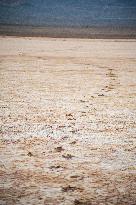
Footprints mark the dry surface of the Eshtehard Wetland on January 5, 2016, in Eshtehard, Iran. Once a seasonal lake, the wetland has largely dried up due to prolonged drought, declining rainfall, and poor water management, becoming a growing source of dust pollution for nearby communities. Photo by Damoun Pournemati/Middle East Images/ABACAPRESS.COM

  •  
Drying Wetland Fuels Dust Storm Crisis - Iran

Drying Wetland Fuels Dust Storm Crisis - Iran

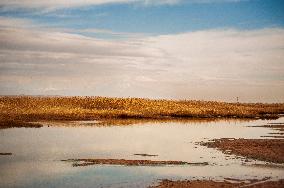
A small patch of water remains in the parched Eshtehard Wetland on January 5, 2016, in Eshtehard, Iran. Once a seasonal lake, the wetland has largely dried up due to prolonged drought, declining rainfall, and poor water management, becoming a growing source of dust pollution for nearby communities. Photo by Damoun Pournemati/Middle East Images/ABACAPRESS.COM

  •  
Drying Wetland Fuels Dust Storm Crisis - Iran

Drying Wetland Fuels Dust Storm Crisis - Iran

A spent shotgun shell rests on cracked soil at the Eshtehard Wetland on January 5, 2016, in Eshtehard, Iran. Once a seasonal lake, the wetland has largely dried up due to prolonged drought, declining rainfall, and poor water management, becoming a growing source of dust pollution for nearby communities. Photo by Damoun Pournemati/Middle East Images/ABACAPRESS.COM

  •  
Drying Wetland Fuels Dust Storm Crisis - Iran

Drying Wetland Fuels Dust Storm Crisis - Iran

A narrow stream of water runs through the parched expanse of Eshtehard Wetland in Alborz Province, on January 5, 2016, in Eshtehard, Iran. Once a seasonal lake, the wetland has largely dried up due to prolonged drought, declining rainfall, and poor water management, becoming a growing source of dust pollution for nearby communities. Photo by Damoun Pournemati/Middle East Images/ABACAPRESS.COM

  •  
Drying Wetland Fuels Dust Storm Crisis - Iran

Drying Wetland Fuels Dust Storm Crisis - Iran

A park ranger walks near the edge of the Eshtehard Wetland on January 5, 2016, in Eshtehard, Iran. Once a seasonal lake, the wetland has largely dried up due to prolonged drought, declining rainfall, and poor water management, becoming a growing source of dust pollution for nearby communities. Photo by Damoun Pournemati/Middle East Images/ABACAPRESS.COM

  •  
Drying Wetland Fuels Dust Storm Crisis - Iran

Drying Wetland Fuels Dust Storm Crisis - Iran

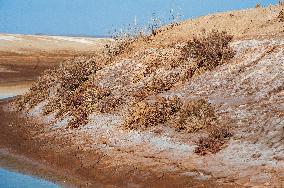
Cracked earth lines the edge of the Eshtehard Wetland on January 5, 2016, in Eshtehard, Iran. Once a seasonal lake, the wetland has largely dried up due to prolonged drought, declining rainfall, and poor water management, becoming a growing source of dust pollution for nearby communities. Photo by Damoun Pournemati/Middle East Images/ABACAPRESS.COM

  •  
Drying Wetland Fuels Dust Storm Crisis - Iran

Drying Wetland Fuels Dust Storm Crisis - Iran

A narrow stream of water runs through the parched expanse of Eshtehard Wetland in Alborz Province, on January 5, 2016, in Eshtehard, Iran. Once a seasonal lake, the wetland has largely dried up due to prolonged drought, declining rainfall, and poor water management, becoming a growing source of dust pollution for nearby communities. Photo by Damoun Pournemati/Middle East Images/ABACAPRESS.COM

  •  
Drying Wetland Fuels Dust Storm Crisis - Iran

Drying Wetland Fuels Dust Storm Crisis - Iran

A narrow stream of water runs through the parched expanse of Eshtehard Wetland in Alborz Province, on January 5, 2016, in Eshtehard, Iran. Once a seasonal lake, the wetland has largely dried up due to prolonged drought, declining rainfall, and poor water management, becoming a growing source of dust pollution for nearby communities. Photo by Damoun Pournemati/Middle East Images/ABACAPRESS.COM

  •  
Drying Wetland Fuels Dust Storm Crisis - Iran

Drying Wetland Fuels Dust Storm Crisis - Iran

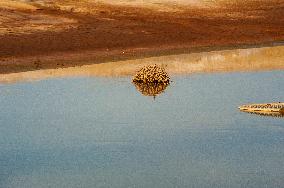
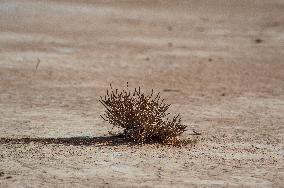
A dry bush stands on the cracked surface of the Eshtehard Wetland on January 5, 2016, in Eshtehard, Iran. Once a seasonal lake, the wetland has largely dried up due to prolonged drought, declining rainfall, and poor water management, becoming a growing source of dust pollution for nearby communities. Photo by Damoun Pournemati/Middle East Images/ABACAPRESS.COM

  •  
Drying Wetland Fuels Dust Storm Crisis - Iran

Drying Wetland Fuels Dust Storm Crisis - Iran

A narrow stream of water runs through the parched expanse of Eshtehard Wetland in Alborz Province, on January 5, 2016, in Eshtehard, Iran. Once a seasonal lake, the wetland has largely dried up due to prolonged drought, declining rainfall, and poor water management, becoming a growing source of dust pollution for nearby communities. Photo by Damoun Pournemati/Middle East Images/ABACAPRESS.COM

  •  
Drying Wetland Fuels Dust Storm Crisis - Iran

Drying Wetland Fuels Dust Storm Crisis - Iran

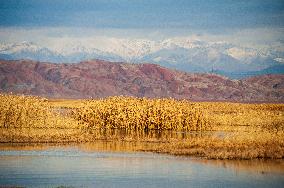
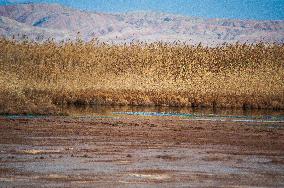
Mountains rise in the distance beyond the dry Eshtehard Wetland on January 5, 2016, in Eshtehard, Iran. Once a seasonal lake, the wetland has largely dried up due to prolonged drought, declining rainfall, and poor water management, becoming a growing source of dust pollution for nearby communities. Photo by Damoun Pournemati/Middle East Images/ABACAPRESS.COM

  •  
Drying Wetland Fuels Dust Storm Crisis - Iran

Drying Wetland Fuels Dust Storm Crisis - Iran

A narrow stream of water runs through the parched expanse of Eshtehard Wetland in Alborz Province, on January 5, 2016, in Eshtehard, Iran. Once a seasonal lake, the wetland has largely dried up due to prolonged drought, declining rainfall, and poor water management, becoming a growing source of dust pollution for nearby communities. Photo by Damoun Pournemati/Middle East Images/ABACAPRESS.COM

  •  
Drying Wetland Fuels Dust Storm Crisis - Iran

Drying Wetland Fuels Dust Storm Crisis - Iran

A narrow stream of water runs through the parched expanse of Eshtehard Wetland in Alborz Province, on January 5, 2016, in Eshtehard, Iran. Once a seasonal lake, the wetland has largely dried up due to prolonged drought, declining rainfall, and poor water management, becoming a growing source of dust pollution for nearby communities. Photo by Damoun Pournemati/Middle East Images/ABACAPRESS.COM

  •  
Environmental Pollution In Bangladesh

Environmental Pollution In Bangladesh

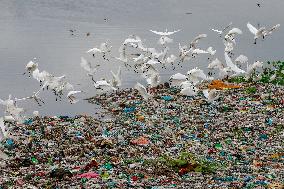
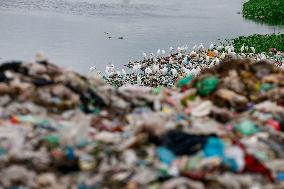
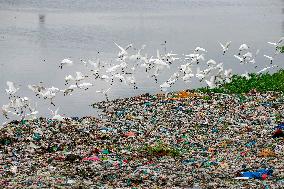
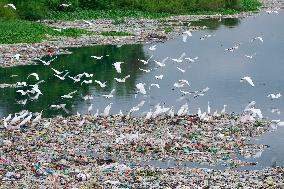
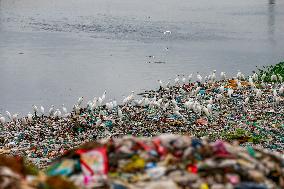
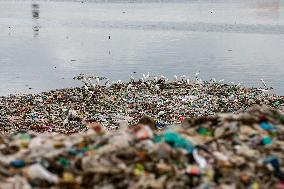
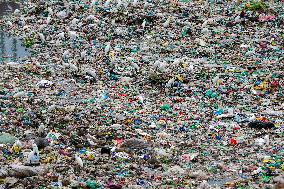
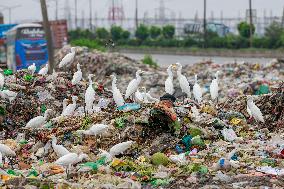
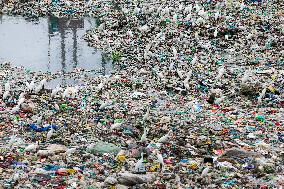
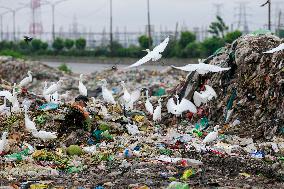
October 02, 2025, Dhaka, Bangladesh: The rivers and canals around Dhaka were once vital sanctuaries of biodiversity. Countless fish swam in their waters, serving as the main food source for fish-eating birds. But now that scene belongs to the past. What was once clear water is now occupied by heaps of garbage. Plastic, polythene, industrial waste, and household trash have severely polluted the water. Faced with a food crisis, fish-eating egrets are being forced to search for food in these piles of waste. Their natural food—fish—is no longer easily available, compelling them to look for alternatives. In Bangladesh, the filling up of rivers and wetlands, illegal encroachment, and plastic pollution together are pushing aquatic ecosystems towards destruction. These wetlands once provided shelter to thousands of native and migratory birds. But in recent years, their numbers have sharply declined. From the haors to Dhaka’s Turag and Balu rivers and other wetlands, the picture is the same: encroachment, landfilling,

  •  
Environmental Pollution In Bangladesh

Environmental Pollution In Bangladesh

October 02, 2025, Dhaka, Bangladesh: The rivers and canals around Dhaka were once vital sanctuaries of biodiversity. Countless fish swam in their waters, serving as the main food source for fish-eating birds. But now that scene belongs to the past. What was once clear water is now occupied by heaps of garbage. Plastic, polythene, industrial waste, and household trash have severely polluted the water. Faced with a food crisis, fish-eating egrets are being forced to search for food in these piles of waste. Their natural food—fish—is no longer easily available, compelling them to look for alternatives. In Bangladesh, the filling up of rivers and wetlands, illegal encroachment, and plastic pollution together are pushing aquatic ecosystems towards destruction. These wetlands once provided shelter to thousands of native and migratory birds. But in recent years, their numbers have sharply declined. From the haors to Dhaka’s Turag and Balu rivers and other wetlands, the picture is the same: encroachment, landfilling,

  •  
Environmental Pollution In Bangladesh

Environmental Pollution In Bangladesh

October 02, 2025, Dhaka, Bangladesh: The rivers and canals around Dhaka were once vital sanctuaries of biodiversity. Countless fish swam in their waters, serving as the main food source for fish-eating birds. But now that scene belongs to the past. What was once clear water is now occupied by heaps of garbage. Plastic, polythene, industrial waste, and household trash have severely polluted the water. Faced with a food crisis, fish-eating egrets are being forced to search for food in these piles of waste. Their natural food—fish—is no longer easily available, compelling them to look for alternatives. In Bangladesh, the filling up of rivers and wetlands, illegal encroachment, and plastic pollution together are pushing aquatic ecosystems towards destruction. These wetlands once provided shelter to thousands of native and migratory birds. But in recent years, their numbers have sharply declined. From the haors to Dhaka’s Turag and Balu rivers and other wetlands, the picture is the same: encroachment, landfilling,

  •  
Environmental Pollution In Bangladesh

Environmental Pollution In Bangladesh

October 02, 2025, Dhaka, Bangladesh: The rivers and canals around Dhaka were once vital sanctuaries of biodiversity. Countless fish swam in their waters, serving as the main food source for fish-eating birds. But now that scene belongs to the past. What was once clear water is now occupied by heaps of garbage. Plastic, polythene, industrial waste, and household trash have severely polluted the water. Faced with a food crisis, fish-eating egrets are being forced to search for food in these piles of waste. Their natural food—fish—is no longer easily available, compelling them to look for alternatives. In Bangladesh, the filling up of rivers and wetlands, illegal encroachment, and plastic pollution together are pushing aquatic ecosystems towards destruction. These wetlands once provided shelter to thousands of native and migratory birds. But in recent years, their numbers have sharply declined. From the haors to Dhaka’s Turag and Balu rivers and other wetlands, the picture is the same: encroachment, landfilling,

  •  
Environmental Pollution In Bangladesh

Environmental Pollution In Bangladesh

October 02, 2025, Dhaka, Bangladesh: The rivers and canals around Dhaka were once vital sanctuaries of biodiversity. Countless fish swam in their waters, serving as the main food source for fish-eating birds. But now that scene belongs to the past. What was once clear water is now occupied by heaps of garbage. Plastic, polythene, industrial waste, and household trash have severely polluted the water. Faced with a food crisis, fish-eating egrets are being forced to search for food in these piles of waste. Their natural food—fish—is no longer easily available, compelling them to look for alternatives. In Bangladesh, the filling up of rivers and wetlands, illegal encroachment, and plastic pollution together are pushing aquatic ecosystems towards destruction. These wetlands once provided shelter to thousands of native and migratory birds. But in recent years, their numbers have sharply declined. From the haors to Dhaka’s Turag and Balu rivers and other wetlands, the picture is the same: encroachment, landfilling,

  •  
Environmental Pollution In Bangladesh

Environmental Pollution In Bangladesh

October 02, 2025, Dhaka, Bangladesh: The rivers and canals around Dhaka were once vital sanctuaries of biodiversity. Countless fish swam in their waters, serving as the main food source for fish-eating birds. But now that scene belongs to the past. What was once clear water is now occupied by heaps of garbage. Plastic, polythene, industrial waste, and household trash have severely polluted the water. Faced with a food crisis, fish-eating egrets are being forced to search for food in these piles of waste. Their natural food—fish—is no longer easily available, compelling them to look for alternatives. In Bangladesh, the filling up of rivers and wetlands, illegal encroachment, and plastic pollution together are pushing aquatic ecosystems towards destruction. These wetlands once provided shelter to thousands of native and migratory birds. But in recent years, their numbers have sharply declined. From the haors to Dhaka’s Turag and Balu rivers and other wetlands, the picture is the same: encroachment, landfilling,

  •  
Environmental Pollution In Bangladesh

Environmental Pollution In Bangladesh

October 02, 2025, Dhaka, Bangladesh: The rivers and canals around Dhaka were once vital sanctuaries of biodiversity. Countless fish swam in their waters, serving as the main food source for fish-eating birds. But now that scene belongs to the past. What was once clear water is now occupied by heaps of garbage. Plastic, polythene, industrial waste, and household trash have severely polluted the water. Faced with a food crisis, fish-eating egrets are being forced to search for food in these piles of waste. Their natural food—fish—is no longer easily available, compelling them to look for alternatives. In Bangladesh, the filling up of rivers and wetlands, illegal encroachment, and plastic pollution together are pushing aquatic ecosystems towards destruction. These wetlands once provided shelter to thousands of native and migratory birds. But in recent years, their numbers have sharply declined. From the haors to Dhaka’s Turag and Balu rivers and other wetlands, the picture is the same: encroachment, landfilling,

  •  
Environmental Pollution In Bangladesh

Environmental Pollution In Bangladesh

October 02, 2025, Dhaka, Bangladesh: The rivers and canals around Dhaka were once vital sanctuaries of biodiversity. Countless fish swam in their waters, serving as the main food source for fish-eating birds. But now that scene belongs to the past. What was once clear water is now occupied by heaps of garbage. Plastic, polythene, industrial waste, and household trash have severely polluted the water. Faced with a food crisis, fish-eating egrets are being forced to search for food in these piles of waste. Their natural food—fish—is no longer easily available, compelling them to look for alternatives. In Bangladesh, the filling up of rivers and wetlands, illegal encroachment, and plastic pollution together are pushing aquatic ecosystems towards destruction. These wetlands once provided shelter to thousands of native and migratory birds. But in recent years, their numbers have sharply declined. From the haors to Dhaka’s Turag and Balu rivers and other wetlands, the picture is the same: encroachment, landfilling,

  •  
Environmental Pollution In Bangladesh

Environmental Pollution In Bangladesh

October 02, 2025, Dhaka, Bangladesh: The rivers and canals around Dhaka were once vital sanctuaries of biodiversity. Countless fish swam in their waters, serving as the main food source for fish-eating birds. But now that scene belongs to the past. What was once clear water is now occupied by heaps of garbage. Plastic, polythene, industrial waste, and household trash have severely polluted the water. Faced with a food crisis, fish-eating egrets are being forced to search for food in these piles of waste. Their natural food—fish—is no longer easily available, compelling them to look for alternatives. In Bangladesh, the filling up of rivers and wetlands, illegal encroachment, and plastic pollution together are pushing aquatic ecosystems towards destruction. These wetlands once provided shelter to thousands of native and migratory birds. But in recent years, their numbers have sharply declined. From the haors to Dhaka’s Turag and Balu rivers and other wetlands, the picture is the same: encroachment, landfilling,

  •  
Environmental Pollution In Bangladesh

Environmental Pollution In Bangladesh

October 02, 2025, Dhaka, Bangladesh: The rivers and canals around Dhaka were once vital sanctuaries of biodiversity. Countless fish swam in their waters, serving as the main food source for fish-eating birds. But now that scene belongs to the past. What was once clear water is now occupied by heaps of garbage. Plastic, polythene, industrial waste, and household trash have severely polluted the water. Faced with a food crisis, fish-eating egrets are being forced to search for food in these piles of waste. Their natural food—fish—is no longer easily available, compelling them to look for alternatives. In Bangladesh, the filling up of rivers and wetlands, illegal encroachment, and plastic pollution together are pushing aquatic ecosystems towards destruction. These wetlands once provided shelter to thousands of native and migratory birds. But in recent years, their numbers have sharply declined. From the haors to Dhaka’s Turag and Balu rivers and other wetlands, the picture is the same: encroachment, landfilling,

  •  
Environmental Pollution In Bangladesh

Environmental Pollution In Bangladesh

October 02, 2025, Dhaka, Bangladesh: The rivers and canals around Dhaka were once vital sanctuaries of biodiversity. Countless fish swam in their waters, serving as the main food source for fish-eating birds. But now that scene belongs to the past. What was once clear water is now occupied by heaps of garbage. Plastic, polythene, industrial waste, and household trash have severely polluted the water. Faced with a food crisis, fish-eating egrets are being forced to search for food in these piles of waste. Their natural food—fish—is no longer easily available, compelling them to look for alternatives. In Bangladesh, the filling up of rivers and wetlands, illegal encroachment, and plastic pollution together are pushing aquatic ecosystems towards destruction. These wetlands once provided shelter to thousands of native and migratory birds. But in recent years, their numbers have sharply declined. From the haors to Dhaka’s Turag and Balu rivers and other wetlands, the picture is the same: encroachment, landfilling,

  •  
Environmental Pollution in Kolkata - India

Environmental Pollution in Kolkata - India

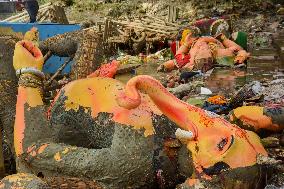
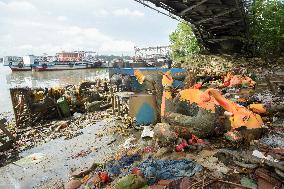
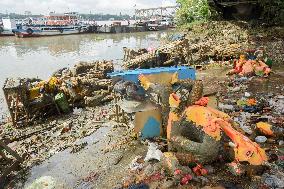
Submerged Ganesha idols lie on the riverbed of the Ganges at Babughat in Kolkata, India, on September 2, 2025. The immersion of idols, which are often coated with synthetic paints containing heavy metals, is identified by environmental agencies like the Central Pollution Control Board (CPCB) as a major seasonal contributor to water pollution. Photo by Amit Ghosh/Middle East Images/ABACAPRESS.COM

  •  
Environmental Pollution in Kolkata - India

Environmental Pollution in Kolkata - India

Submerged Ganesha idols lie on the riverbed of the Ganges at Babughat in Kolkata, India, on September 2, 2025. The immersion of idols, which are often coated with synthetic paints containing heavy metals, is identified by environmental agencies like the Central Pollution Control Board (CPCB) as a major seasonal contributor to water pollution. Photo by Amit Ghosh/Middle East Images/ABACAPRESS.COM

  •  
Environmental Pollution in Kolkata - India

Environmental Pollution in Kolkata - India

Submerged Ganesha idols lie on the riverbed of the Ganges at Babughat in Kolkata, India, on September 2, 2025. The immersion of idols, which are often coated with synthetic paints containing heavy metals, is identified by environmental agencies like the Central Pollution Control Board (CPCB) as a major seasonal contributor to water pollution. Photo by Amit Ghosh/Middle East Images/ABACAPRESS.COM

  • Main
  • Top
  • Editorial
  • Creative
  • About Us
  • About ILG
  • Terms of use
  • Company
  • BEHIND
  • Price List
  • Single Plan
  • Monthly Plan
  • Services
  • Shooting
  • Rights Clearance
  • Support
  • FAQ
  • How To Buy
  • Contact Us
  • Become a Partner

© KYODO NEWS IMAGES INC

All Rights Reserved.

  • Editorial
  • Olympics
  • News
  • Sports
  • Japan
  • Tech
  • Royal
  • Disaster
  • NorthKorea
  • Old Japan
  • SNS
  • Creative
  • Food
  • Japan
  • Landscape
  • Animal
  • Popular
  • #Ukraine
  • #Russia
  • #coronavirus
  • #N. Korea
  • #China
  • #Thailand
  • #Ukraine
  • #Russia
  • #coronavirus
  • #N. Korea
  • #China
  • #Thailand
  • Food
  • Japan
  • Landscape
  • Animal
  • Olympics
  • News
  • Sports
  • Japan
  • Tech
  • Royal
  • Disaster
  • NorthKorea
  • Old Japan
  • SNS