•  
Talayotic culture enters the world heritage of humanity - Menorca

Talayotic culture enters the world heritage of humanity - Menorca

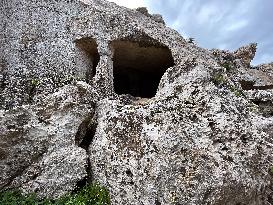
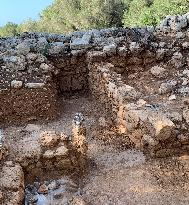
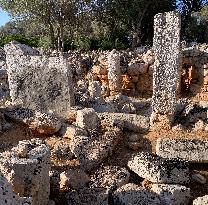
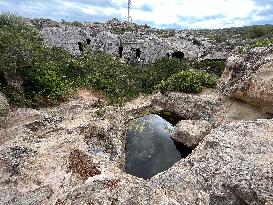
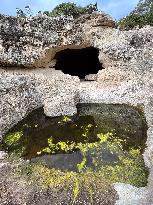
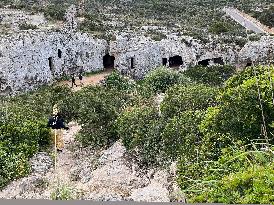
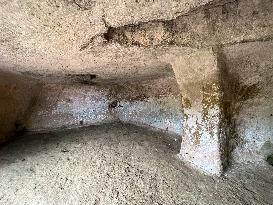
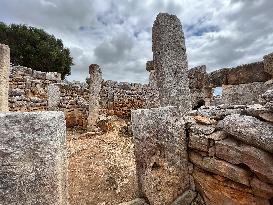
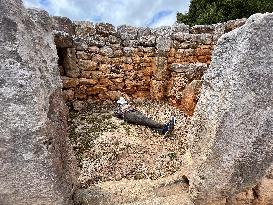
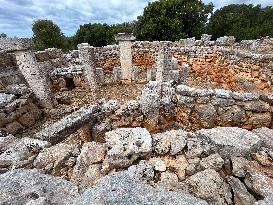
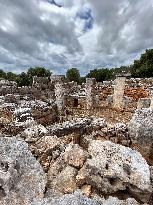
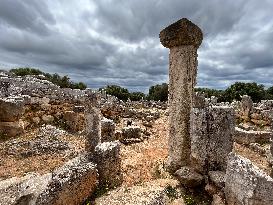
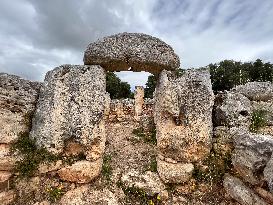
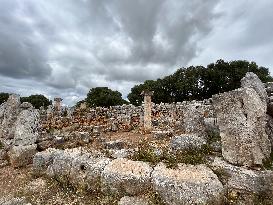
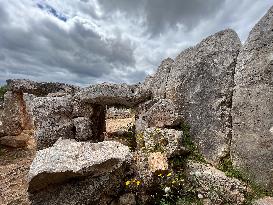
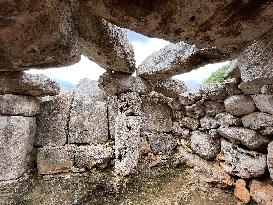
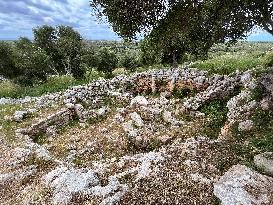
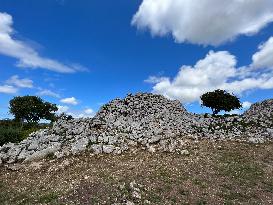
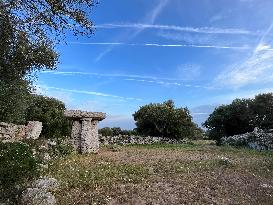
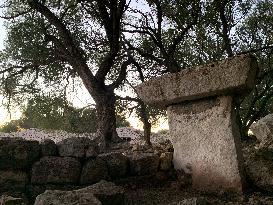
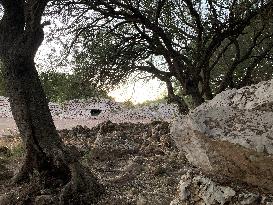
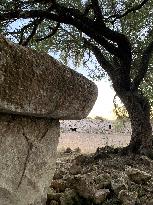
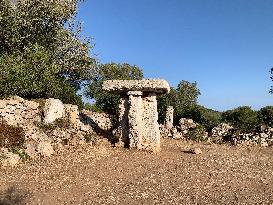
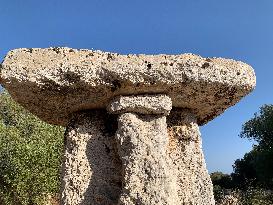
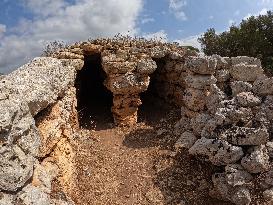
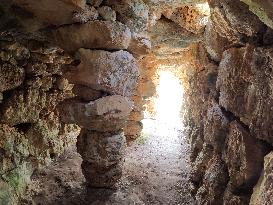
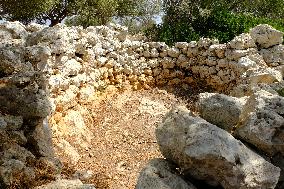
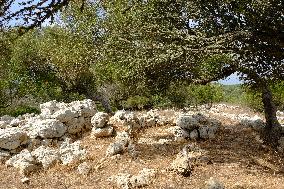
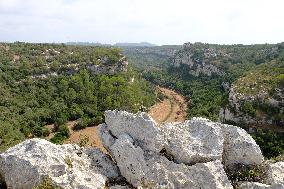
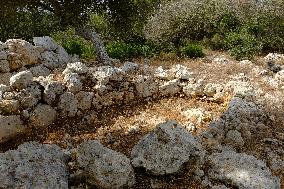
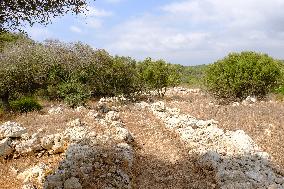
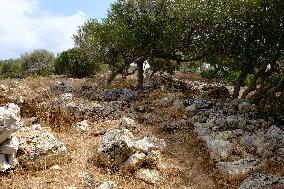
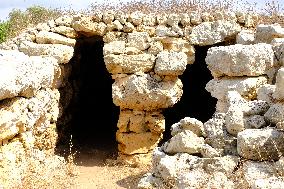
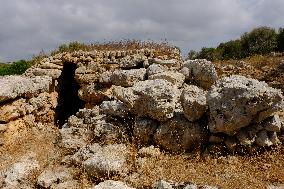
Prehistoric sites in Talayotic Menorca Located on the island of Menorca, in the western Mediterranean, these archaeological sites are located in agropastoral landscapes. Testimony to the occupation of the island by prehistoric populations, these sites present a diversity of prehistoric settlements and burial sites. The materials, shapes and locations of the structures date from the Bronze Age (1600 BC) to the Late Iron Age (123 BC) and show the evolution of a “Cyclopean” architecture composed of very imposing blocks of stone. Clear astronomical orientations and visual interconnections between prehistoric structures indicate the existence of networks with possible cosmological significance. More than 1,500 Talayotic archaeological sites have been inventoried on an island of barely 700 km². Prehistoric remains including megalithic tombs, towers (Talayots), funerary navetas, monumental circular houses, necropolises, towns and taulas (monuments on which the mystery of their original meaning still prevails) withou

  •  
Talayotic culture enters the world heritage of humanity - Menorca

Talayotic culture enters the world heritage of humanity - Menorca

Prehistoric sites in Talayotic Menorca Located on the island of Menorca, in the western Mediterranean, these archaeological sites are located in agropastoral landscapes. Testimony to the occupation of the island by prehistoric populations, these sites present a diversity of prehistoric settlements and burial sites. The materials, shapes and locations of the structures date from the Bronze Age (1600 BC) to the Late Iron Age (123 BC) and show the evolution of a “Cyclopean” architecture composed of very imposing blocks of stone. Clear astronomical orientations and visual interconnections between prehistoric structures indicate the existence of networks with possible cosmological significance. More than 1,500 Talayotic archaeological sites have been inventoried on an island of barely 700 km². Prehistoric remains including megalithic tombs, towers (Talayots), funerary navetas, monumental circular houses, necropolises, towns and taulas (monuments on which the mystery of their original meaning still prevails) withou

  •  
Talayotic culture enters the world heritage of humanity - Menorca

Talayotic culture enters the world heritage of humanity - Menorca

Prehistoric sites in Talayotic Menorca Located on the island of Menorca, in the western Mediterranean, these archaeological sites are located in agropastoral landscapes. Testimony to the occupation of the island by prehistoric populations, these sites present a diversity of prehistoric settlements and burial sites. The materials, shapes and locations of the structures date from the Bronze Age (1600 BC) to the Late Iron Age (123 BC) and show the evolution of a “Cyclopean” architecture composed of very imposing blocks of stone. Clear astronomical orientations and visual interconnections between prehistoric structures indicate the existence of networks with possible cosmological significance. More than 1,500 Talayotic archaeological sites have been inventoried on an island of barely 700 km². Prehistoric remains including megalithic tombs, towers (Talayots), funerary navetas, monumental circular houses, necropolises, towns and taulas (monuments on which the mystery of their original meaning still prevails) withou

  •  
Talayotic culture enters the world heritage of humanity - Menorca

Talayotic culture enters the world heritage of humanity - Menorca

Prehistoric sites in Talayotic Menorca Located on the island of Menorca, in the western Mediterranean, these archaeological sites are located in agropastoral landscapes. Testimony to the occupation of the island by prehistoric populations, these sites present a diversity of prehistoric settlements and burial sites. The materials, shapes and locations of the structures date from the Bronze Age (1600 BC) to the Late Iron Age (123 BC) and show the evolution of a “Cyclopean” architecture composed of very imposing blocks of stone. Clear astronomical orientations and visual interconnections between prehistoric structures indicate the existence of networks with possible cosmological significance. More than 1,500 Talayotic archaeological sites have been inventoried on an island of barely 700 km². Prehistoric remains including megalithic tombs, towers (Talayots), funerary navetas, monumental circular houses, necropolises, towns and taulas (monuments on which the mystery of their original meaning still prevails) withou

  •  
Talayotic culture enters the world heritage of humanity - Menorca

Talayotic culture enters the world heritage of humanity - Menorca

Prehistoric sites in Talayotic Menorca Located on the island of Menorca, in the western Mediterranean, these archaeological sites are located in agropastoral landscapes. Testimony to the occupation of the island by prehistoric populations, these sites present a diversity of prehistoric settlements and burial sites. The materials, shapes and locations of the structures date from the Bronze Age (1600 BC) to the Late Iron Age (123 BC) and show the evolution of a “Cyclopean” architecture composed of very imposing blocks of stone. Clear astronomical orientations and visual interconnections between prehistoric structures indicate the existence of networks with possible cosmological significance. More than 1,500 Talayotic archaeological sites have been inventoried on an island of barely 700 km². Prehistoric remains including megalithic tombs, towers (Talayots), funerary navetas, monumental circular houses, necropolises, towns and taulas (monuments on which the mystery of their original meaning still prevails) withou

  •  
Talayotic culture enters the world heritage of humanity - Menorca

Talayotic culture enters the world heritage of humanity - Menorca

Prehistoric sites in Talayotic Menorca Located on the island of Menorca, in the western Mediterranean, these archaeological sites are located in agropastoral landscapes. Testimony to the occupation of the island by prehistoric populations, these sites present a diversity of prehistoric settlements and burial sites. The materials, shapes and locations of the structures date from the Bronze Age (1600 BC) to the Late Iron Age (123 BC) and show the evolution of a “Cyclopean” architecture composed of very imposing blocks of stone. Clear astronomical orientations and visual interconnections between prehistoric structures indicate the existence of networks with possible cosmological significance. More than 1,500 Talayotic archaeological sites have been inventoried on an island of barely 700 km². Prehistoric remains including megalithic tombs, towers (Talayots), funerary navetas, monumental circular houses, necropolises, towns and taulas (monuments on which the mystery of their original meaning still prevails) withou

  •  
Talayotic culture enters the world heritage of humanity - Menorca

Talayotic culture enters the world heritage of humanity - Menorca

Prehistoric sites in Talayotic Menorca Located on the island of Menorca, in the western Mediterranean, these archaeological sites are located in agropastoral landscapes. Testimony to the occupation of the island by prehistoric populations, these sites present a diversity of prehistoric settlements and burial sites. The materials, shapes and locations of the structures date from the Bronze Age (1600 BC) to the Late Iron Age (123 BC) and show the evolution of a “Cyclopean” architecture composed of very imposing blocks of stone. Clear astronomical orientations and visual interconnections between prehistoric structures indicate the existence of networks with possible cosmological significance. More than 1,500 Talayotic archaeological sites have been inventoried on an island of barely 700 km². Prehistoric remains including megalithic tombs, towers (Talayots), funerary navetas, monumental circular houses, necropolises, towns and taulas (monuments on which the mystery of their original meaning still prevails) withou

  •  
Talayotic culture enters the world heritage of humanity - Menorca

Talayotic culture enters the world heritage of humanity - Menorca

Prehistoric sites in Talayotic Menorca Located on the island of Menorca, in the western Mediterranean, these archaeological sites are located in agropastoral landscapes. Testimony to the occupation of the island by prehistoric populations, these sites present a diversity of prehistoric settlements and burial sites. The materials, shapes and locations of the structures date from the Bronze Age (1600 BC) to the Late Iron Age (123 BC) and show the evolution of a “Cyclopean” architecture composed of very imposing blocks of stone. Clear astronomical orientations and visual interconnections between prehistoric structures indicate the existence of networks with possible cosmological significance. More than 1,500 Talayotic archaeological sites have been inventoried on an island of barely 700 km². Prehistoric remains including megalithic tombs, towers (Talayots), funerary navetas, monumental circular houses, necropolises, towns and taulas (monuments on which the mystery of their original meaning still prevails) withou

  •  
Talayotic culture enters the world heritage of humanity - Menorca

Talayotic culture enters the world heritage of humanity - Menorca

Prehistoric sites in Talayotic Menorca Located on the island of Menorca, in the western Mediterranean, these archaeological sites are located in agropastoral landscapes. Testimony to the occupation of the island by prehistoric populations, these sites present a diversity of prehistoric settlements and burial sites. The materials, shapes and locations of the structures date from the Bronze Age (1600 BC) to the Late Iron Age (123 BC) and show the evolution of a “Cyclopean” architecture composed of very imposing blocks of stone. Clear astronomical orientations and visual interconnections between prehistoric structures indicate the existence of networks with possible cosmological significance. More than 1,500 Talayotic archaeological sites have been inventoried on an island of barely 700 km². Prehistoric remains including megalithic tombs, towers (Talayots), funerary navetas, monumental circular houses, necropolises, towns and taulas (monuments on which the mystery of their original meaning still prevails) withou

  •  
Talayotic culture enters the world heritage of humanity - Menorca

Talayotic culture enters the world heritage of humanity - Menorca

Prehistoric sites in Talayotic Menorca Located on the island of Menorca, in the western Mediterranean, these archaeological sites are located in agropastoral landscapes. Testimony to the occupation of the island by prehistoric populations, these sites present a diversity of prehistoric settlements and burial sites. The materials, shapes and locations of the structures date from the Bronze Age (1600 BC) to the Late Iron Age (123 BC) and show the evolution of a “Cyclopean” architecture composed of very imposing blocks of stone. Clear astronomical orientations and visual interconnections between prehistoric structures indicate the existence of networks with possible cosmological significance. More than 1,500 Talayotic archaeological sites have been inventoried on an island of barely 700 km². Prehistoric remains including megalithic tombs, towers (Talayots), funerary navetas, monumental circular houses, necropolises, towns and taulas (monuments on which the mystery of their original meaning still prevails) withou

  •  
Talayotic culture enters the world heritage of humanity - Menorca

Talayotic culture enters the world heritage of humanity - Menorca

Prehistoric sites in Talayotic Menorca Located on the island of Menorca, in the western Mediterranean, these archaeological sites are located in agropastoral landscapes. Testimony to the occupation of the island by prehistoric populations, these sites present a diversity of prehistoric settlements and burial sites. The materials, shapes and locations of the structures date from the Bronze Age (1600 BC) to the Late Iron Age (123 BC) and show the evolution of a “Cyclopean” architecture composed of very imposing blocks of stone. Clear astronomical orientations and visual interconnections between prehistoric structures indicate the existence of networks with possible cosmological significance. More than 1,500 Talayotic archaeological sites have been inventoried on an island of barely 700 km². Prehistoric remains including megalithic tombs, towers (Talayots), funerary navetas, monumental circular houses, necropolises, towns and taulas (monuments on which the mystery of their original meaning still prevails) withou

  •  
Talayotic culture enters the world heritage of humanity - Menorca

Talayotic culture enters the world heritage of humanity - Menorca

Prehistoric sites in Talayotic Menorca Located on the island of Menorca, in the western Mediterranean, these archaeological sites are located in agropastoral landscapes. Testimony to the occupation of the island by prehistoric populations, these sites present a diversity of prehistoric settlements and burial sites. The materials, shapes and locations of the structures date from the Bronze Age (1600 BC) to the Late Iron Age (123 BC) and show the evolution of a “Cyclopean” architecture composed of very imposing blocks of stone. Clear astronomical orientations and visual interconnections between prehistoric structures indicate the existence of networks with possible cosmological significance. More than 1,500 Talayotic archaeological sites have been inventoried on an island of barely 700 km². Prehistoric remains including megalithic tombs, towers (Talayots), funerary navetas, monumental circular houses, necropolises, towns and taulas (monuments on which the mystery of their original meaning still prevails) withou

  •  
Talayotic culture enters the world heritage of humanity - Menorca

Talayotic culture enters the world heritage of humanity - Menorca

Prehistoric sites in Talayotic Menorca Located on the island of Menorca, in the western Mediterranean, these archaeological sites are located in agropastoral landscapes. Testimony to the occupation of the island by prehistoric populations, these sites present a diversity of prehistoric settlements and burial sites. The materials, shapes and locations of the structures date from the Bronze Age (1600 BC) to the Late Iron Age (123 BC) and show the evolution of a “Cyclopean” architecture composed of very imposing blocks of stone. Clear astronomical orientations and visual interconnections between prehistoric structures indicate the existence of networks with possible cosmological significance. More than 1,500 Talayotic archaeological sites have been inventoried on an island of barely 700 km². Prehistoric remains including megalithic tombs, towers (Talayots), funerary navetas, monumental circular houses, necropolises, towns and taulas (monuments on which the mystery of their original meaning still prevails) withou

  •  
Talayotic culture enters the world heritage of humanity - Menorca

Talayotic culture enters the world heritage of humanity - Menorca

Prehistoric sites in Talayotic Menorca Located on the island of Menorca, in the western Mediterranean, these archaeological sites are located in agropastoral landscapes. Testimony to the occupation of the island by prehistoric populations, these sites present a diversity of prehistoric settlements and burial sites. The materials, shapes and locations of the structures date from the Bronze Age (1600 BC) to the Late Iron Age (123 BC) and show the evolution of a “Cyclopean” architecture composed of very imposing blocks of stone. Clear astronomical orientations and visual interconnections between prehistoric structures indicate the existence of networks with possible cosmological significance. More than 1,500 Talayotic archaeological sites have been inventoried on an island of barely 700 km². Prehistoric remains including megalithic tombs, towers (Talayots), funerary navetas, monumental circular houses, necropolises, towns and taulas (monuments on which the mystery of their original meaning still prevails) withou

  •  
Talayotic culture enters the world heritage of humanity - Menorca

Talayotic culture enters the world heritage of humanity - Menorca

Prehistoric sites in Talayotic Menorca Located on the island of Menorca, in the western Mediterranean, these archaeological sites are located in agropastoral landscapes. Testimony to the occupation of the island by prehistoric populations, these sites present a diversity of prehistoric settlements and burial sites. The materials, shapes and locations of the structures date from the Bronze Age (1600 BC) to the Late Iron Age (123 BC) and show the evolution of a “Cyclopean” architecture composed of very imposing blocks of stone. Clear astronomical orientations and visual interconnections between prehistoric structures indicate the existence of networks with possible cosmological significance. More than 1,500 Talayotic archaeological sites have been inventoried on an island of barely 700 km². Prehistoric remains including megalithic tombs, towers (Talayots), funerary navetas, monumental circular houses, necropolises, towns and taulas (monuments on which the mystery of their original meaning still prevails) withou

  •  
Talayotic culture enters the world heritage of humanity - Menorca

Talayotic culture enters the world heritage of humanity - Menorca

Prehistoric sites in Talayotic Menorca Located on the island of Menorca, in the western Mediterranean, these archaeological sites are located in agropastoral landscapes. Testimony to the occupation of the island by prehistoric populations, these sites present a diversity of prehistoric settlements and burial sites. The materials, shapes and locations of the structures date from the Bronze Age (1600 BC) to the Late Iron Age (123 BC) and show the evolution of a “Cyclopean” architecture composed of very imposing blocks of stone. Clear astronomical orientations and visual interconnections between prehistoric structures indicate the existence of networks with possible cosmological significance. More than 1,500 Talayotic archaeological sites have been inventoried on an island of barely 700 km². Prehistoric remains including megalithic tombs, towers (Talayots), funerary navetas, monumental circular houses, necropolises, towns and taulas (monuments on which the mystery of their original meaning still prevails) withou

  •  
Talayotic culture enters the world heritage of humanity - Menorca

Talayotic culture enters the world heritage of humanity - Menorca

Prehistoric sites in Talayotic Menorca Located on the island of Menorca, in the western Mediterranean, these archaeological sites are located in agropastoral landscapes. Testimony to the occupation of the island by prehistoric populations, these sites present a diversity of prehistoric settlements and burial sites. The materials, shapes and locations of the structures date from the Bronze Age (1600 BC) to the Late Iron Age (123 BC) and show the evolution of a “Cyclopean” architecture composed of very imposing blocks of stone. Clear astronomical orientations and visual interconnections between prehistoric structures indicate the existence of networks with possible cosmological significance. More than 1,500 Talayotic archaeological sites have been inventoried on an island of barely 700 km². Prehistoric remains including megalithic tombs, towers (Talayots), funerary navetas, monumental circular houses, necropolises, towns and taulas (monuments on which the mystery of their original meaning still prevails) withou

  •  
Talayotic culture enters the world heritage of humanity - Menorca

Talayotic culture enters the world heritage of humanity - Menorca

Prehistoric sites in Talayotic Menorca Located on the island of Menorca, in the western Mediterranean, these archaeological sites are located in agropastoral landscapes. Testimony to the occupation of the island by prehistoric populations, these sites present a diversity of prehistoric settlements and burial sites. The materials, shapes and locations of the structures date from the Bronze Age (1600 BC) to the Late Iron Age (123 BC) and show the evolution of a “Cyclopean” architecture composed of very imposing blocks of stone. Clear astronomical orientations and visual interconnections between prehistoric structures indicate the existence of networks with possible cosmological significance. More than 1,500 Talayotic archaeological sites have been inventoried on an island of barely 700 km². Prehistoric remains including megalithic tombs, towers (Talayots), funerary navetas, monumental circular houses, necropolises, towns and taulas (monuments on which the mystery of their original meaning still prevails) withou

  •  
Talayotic culture enters the world heritage of humanity - Menorca

Talayotic culture enters the world heritage of humanity - Menorca

Prehistoric sites in Talayotic Menorca Located on the island of Menorca, in the western Mediterranean, these archaeological sites are located in agropastoral landscapes. Testimony to the occupation of the island by prehistoric populations, these sites present a diversity of prehistoric settlements and burial sites. The materials, shapes and locations of the structures date from the Bronze Age (1600 BC) to the Late Iron Age (123 BC) and show the evolution of a “Cyclopean” architecture composed of very imposing blocks of stone. Clear astronomical orientations and visual interconnections between prehistoric structures indicate the existence of networks with possible cosmological significance. More than 1,500 Talayotic archaeological sites have been inventoried on an island of barely 700 km². Prehistoric remains including megalithic tombs, towers (Talayots), funerary navetas, monumental circular houses, necropolises, towns and taulas (monuments on which the mystery of their original meaning still prevails) withou

  •  
Talayotic culture enters the world heritage of humanity - Menorca

Talayotic culture enters the world heritage of humanity - Menorca

Prehistoric sites in Talayotic Menorca Located on the island of Menorca, in the western Mediterranean, these archaeological sites are located in agropastoral landscapes. Testimony to the occupation of the island by prehistoric populations, these sites present a diversity of prehistoric settlements and burial sites. The materials, shapes and locations of the structures date from the Bronze Age (1600 BC) to the Late Iron Age (123 BC) and show the evolution of a “Cyclopean” architecture composed of very imposing blocks of stone. Clear astronomical orientations and visual interconnections between prehistoric structures indicate the existence of networks with possible cosmological significance. More than 1,500 Talayotic archaeological sites have been inventoried on an island of barely 700 km². Prehistoric remains including megalithic tombs, towers (Talayots), funerary navetas, monumental circular houses, necropolises, towns and taulas (monuments on which the mystery of their original meaning still prevails) withou

  •  
Talayotic culture enters the world heritage of humanity - Menorca

Talayotic culture enters the world heritage of humanity - Menorca

Prehistoric sites in Talayotic Menorca Located on the island of Menorca, in the western Mediterranean, these archaeological sites are located in agropastoral landscapes. Testimony to the occupation of the island by prehistoric populations, these sites present a diversity of prehistoric settlements and burial sites. The materials, shapes and locations of the structures date from the Bronze Age (1600 BC) to the Late Iron Age (123 BC) and show the evolution of a “Cyclopean” architecture composed of very imposing blocks of stone. Clear astronomical orientations and visual interconnections between prehistoric structures indicate the existence of networks with possible cosmological significance. More than 1,500 Talayotic archaeological sites have been inventoried on an island of barely 700 km². Prehistoric remains including megalithic tombs, towers (Talayots), funerary navetas, monumental circular houses, necropolises, towns and taulas (monuments on which the mystery of their original meaning still prevails) withou

  •  
Talayotic culture enters the world heritage of humanity - Menorca

Talayotic culture enters the world heritage of humanity - Menorca

Prehistoric sites in Talayotic Menorca Located on the island of Menorca, in the western Mediterranean, these archaeological sites are located in agropastoral landscapes. Testimony to the occupation of the island by prehistoric populations, these sites present a diversity of prehistoric settlements and burial sites. The materials, shapes and locations of the structures date from the Bronze Age (1600 BC) to the Late Iron Age (123 BC) and show the evolution of a “Cyclopean” architecture composed of very imposing blocks of stone. Clear astronomical orientations and visual interconnections between prehistoric structures indicate the existence of networks with possible cosmological significance. More than 1,500 Talayotic archaeological sites have been inventoried on an island of barely 700 km². Prehistoric remains including megalithic tombs, towers (Talayots), funerary navetas, monumental circular houses, necropolises, towns and taulas (monuments on which the mystery of their original meaning still prevails) withou

  •  
Talayotic culture enters the world heritage of humanity - Menorca

Talayotic culture enters the world heritage of humanity - Menorca

Prehistoric sites in Talayotic Menorca Located on the island of Menorca, in the western Mediterranean, these archaeological sites are located in agropastoral landscapes. Testimony to the occupation of the island by prehistoric populations, these sites present a diversity of prehistoric settlements and burial sites. The materials, shapes and locations of the structures date from the Bronze Age (1600 BC) to the Late Iron Age (123 BC) and show the evolution of a “Cyclopean” architecture composed of very imposing blocks of stone. Clear astronomical orientations and visual interconnections between prehistoric structures indicate the existence of networks with possible cosmological significance. More than 1,500 Talayotic archaeological sites have been inventoried on an island of barely 700 km². Prehistoric remains including megalithic tombs, towers (Talayots), funerary navetas, monumental circular houses, necropolises, towns and taulas (monuments on which the mystery of their original meaning still prevails) withou

  •  
Talayotic culture enters the world heritage of humanity - Menorca

Talayotic culture enters the world heritage of humanity - Menorca

Prehistoric sites in Talayotic Menorca Located on the island of Menorca, in the western Mediterranean, these archaeological sites are located in agropastoral landscapes. Testimony to the occupation of the island by prehistoric populations, these sites present a diversity of prehistoric settlements and burial sites. The materials, shapes and locations of the structures date from the Bronze Age (1600 BC) to the Late Iron Age (123 BC) and show the evolution of a “Cyclopean” architecture composed of very imposing blocks of stone. Clear astronomical orientations and visual interconnections between prehistoric structures indicate the existence of networks with possible cosmological significance. More than 1,500 Talayotic archaeological sites have been inventoried on an island of barely 700 km². Prehistoric remains including megalithic tombs, towers (Talayots), funerary navetas, monumental circular houses, necropolises, towns and taulas (monuments on which the mystery of their original meaning still prevails) withou

  •  
Talayotic culture enters the world heritage of humanity - Menorca

Talayotic culture enters the world heritage of humanity - Menorca

Prehistoric sites in Talayotic Menorca Located on the island of Menorca, in the western Mediterranean, these archaeological sites are located in agropastoral landscapes. Testimony to the occupation of the island by prehistoric populations, these sites present a diversity of prehistoric settlements and burial sites. The materials, shapes and locations of the structures date from the Bronze Age (1600 BC) to the Late Iron Age (123 BC) and show the evolution of a “Cyclopean” architecture composed of very imposing blocks of stone. Clear astronomical orientations and visual interconnections between prehistoric structures indicate the existence of networks with possible cosmological significance. More than 1,500 Talayotic archaeological sites have been inventoried on an island of barely 700 km². Prehistoric remains including megalithic tombs, towers (Talayots), funerary navetas, monumental circular houses, necropolises, towns and taulas (monuments on which the mystery of their original meaning still prevails) withou

  •  
Talayotic culture enters the world heritage of humanity - Menorca

Talayotic culture enters the world heritage of humanity - Menorca

Prehistoric sites in Talayotic Menorca Located on the island of Menorca, in the western Mediterranean, these archaeological sites are located in agropastoral landscapes. Testimony to the occupation of the island by prehistoric populations, these sites present a diversity of prehistoric settlements and burial sites. The materials, shapes and locations of the structures date from the Bronze Age (1600 BC) to the Late Iron Age (123 BC) and show the evolution of a “Cyclopean” architecture composed of very imposing blocks of stone. Clear astronomical orientations and visual interconnections between prehistoric structures indicate the existence of networks with possible cosmological significance. More than 1,500 Talayotic archaeological sites have been inventoried on an island of barely 700 km². Prehistoric remains including megalithic tombs, towers (Talayots), funerary navetas, monumental circular houses, necropolises, towns and taulas (monuments on which the mystery of their original meaning still prevails) withou

  •  
Talayotic culture enters the world heritage of humanity - Menorca

Talayotic culture enters the world heritage of humanity - Menorca

Prehistoric sites in Talayotic Menorca Located on the island of Menorca, in the western Mediterranean, these archaeological sites are located in agropastoral landscapes. Testimony to the occupation of the island by prehistoric populations, these sites present a diversity of prehistoric settlements and burial sites. The materials, shapes and locations of the structures date from the Bronze Age (1600 BC) to the Late Iron Age (123 BC) and show the evolution of a “Cyclopean” architecture composed of very imposing blocks of stone. Clear astronomical orientations and visual interconnections between prehistoric structures indicate the existence of networks with possible cosmological significance. More than 1,500 Talayotic archaeological sites have been inventoried on an island of barely 700 km². Prehistoric remains including megalithic tombs, towers (Talayots), funerary navetas, monumental circular houses, necropolises, towns and taulas (monuments on which the mystery of their original meaning still prevails) withou

  •  
Talayotic culture enters the world heritage of humanity - Menorca

Talayotic culture enters the world heritage of humanity - Menorca

Prehistoric sites in Talayotic Menorca Located on the island of Menorca, in the western Mediterranean, these archaeological sites are located in agropastoral landscapes. Testimony to the occupation of the island by prehistoric populations, these sites present a diversity of prehistoric settlements and burial sites. The materials, shapes and locations of the structures date from the Bronze Age (1600 BC) to the Late Iron Age (123 BC) and show the evolution of a “Cyclopean” architecture composed of very imposing blocks of stone. Clear astronomical orientations and visual interconnections between prehistoric structures indicate the existence of networks with possible cosmological significance. More than 1,500 Talayotic archaeological sites have been inventoried on an island of barely 700 km². Prehistoric remains including megalithic tombs, towers (Talayots), funerary navetas, monumental circular houses, necropolises, towns and taulas (monuments on which the mystery of their original meaning still prevails) withou

  •  
Talayotic culture enters the world heritage of humanity - Menorca

Talayotic culture enters the world heritage of humanity - Menorca

Prehistoric sites in Talayotic Menorca Located on the island of Menorca, in the western Mediterranean, these archaeological sites are located in agropastoral landscapes. Testimony to the occupation of the island by prehistoric populations, these sites present a diversity of prehistoric settlements and burial sites. The materials, shapes and locations of the structures date from the Bronze Age (1600 BC) to the Late Iron Age (123 BC) and show the evolution of a “Cyclopean” architecture composed of very imposing blocks of stone. Clear astronomical orientations and visual interconnections between prehistoric structures indicate the existence of networks with possible cosmological significance. More than 1,500 Talayotic archaeological sites have been inventoried on an island of barely 700 km². Prehistoric remains including megalithic tombs, towers (Talayots), funerary navetas, monumental circular houses, necropolises, towns and taulas (monuments on which the mystery of their original meaning still prevails) withou

  •  
Talayotic culture enters the world heritage of humanity - Menorca

Talayotic culture enters the world heritage of humanity - Menorca

Prehistoric sites in Talayotic Menorca Located on the island of Menorca, in the western Mediterranean, these archaeological sites are located in agropastoral landscapes. Testimony to the occupation of the island by prehistoric populations, these sites present a diversity of prehistoric settlements and burial sites. The materials, shapes and locations of the structures date from the Bronze Age (1600 BC) to the Late Iron Age (123 BC) and show the evolution of a “Cyclopean” architecture composed of very imposing blocks of stone. Clear astronomical orientations and visual interconnections between prehistoric structures indicate the existence of networks with possible cosmological significance. More than 1,500 Talayotic archaeological sites have been inventoried on an island of barely 700 km². Prehistoric remains including megalithic tombs, towers (Talayots), funerary navetas, monumental circular houses, necropolises, towns and taulas (monuments on which the mystery of their original meaning still prevails) withou

  •  
Talayotic culture enters the world heritage of humanity - Menorca

Talayotic culture enters the world heritage of humanity - Menorca

Prehistoric sites in Talayotic Menorca Located on the island of Menorca, in the western Mediterranean, these archaeological sites are located in agropastoral landscapes. Testimony to the occupation of the island by prehistoric populations, these sites present a diversity of prehistoric settlements and burial sites. The materials, shapes and locations of the structures date from the Bronze Age (1600 BC) to the Late Iron Age (123 BC) and show the evolution of a “Cyclopean” architecture composed of very imposing blocks of stone. Clear astronomical orientations and visual interconnections between prehistoric structures indicate the existence of networks with possible cosmological significance. More than 1,500 Talayotic archaeological sites have been inventoried on an island of barely 700 km². Prehistoric remains including megalithic tombs, towers (Talayots), funerary navetas, monumental circular houses, necropolises, towns and taulas (monuments on which the mystery of their original meaning still prevails) withou

  •  
Talayotic culture enters the world heritage of humanity - Menorca

Talayotic culture enters the world heritage of humanity - Menorca

Prehistoric sites in Talayotic Menorca Located on the island of Menorca, in the western Mediterranean, these archaeological sites are located in agropastoral landscapes. Testimony to the occupation of the island by prehistoric populations, these sites present a diversity of prehistoric settlements and burial sites. The materials, shapes and locations of the structures date from the Bronze Age (1600 BC) to the Late Iron Age (123 BC) and show the evolution of a “Cyclopean” architecture composed of very imposing blocks of stone. Clear astronomical orientations and visual interconnections between prehistoric structures indicate the existence of networks with possible cosmological significance. More than 1,500 Talayotic archaeological sites have been inventoried on an island of barely 700 km². Prehistoric remains including megalithic tombs, towers (Talayots), funerary navetas, monumental circular houses, necropolises, towns and taulas (monuments on which the mystery of their original meaning still prevails) withou

  •  
Talayotic culture enters the world heritage of humanity - Menorca

Talayotic culture enters the world heritage of humanity - Menorca

Prehistoric sites in Talayotic Menorca Located on the island of Menorca, in the western Mediterranean, these archaeological sites are located in agropastoral landscapes. Testimony to the occupation of the island by prehistoric populations, these sites present a diversity of prehistoric settlements and burial sites. The materials, shapes and locations of the structures date from the Bronze Age (1600 BC) to the Late Iron Age (123 BC) and show the evolution of a “Cyclopean” architecture composed of very imposing blocks of stone. Clear astronomical orientations and visual interconnections between prehistoric structures indicate the existence of networks with possible cosmological significance. More than 1,500 Talayotic archaeological sites have been inventoried on an island of barely 700 km². Prehistoric remains including megalithic tombs, towers (Talayots), funerary navetas, monumental circular houses, necropolises, towns and taulas (monuments on which the mystery of their original meaning still prevails) withou

  •  
Talayotic culture enters the world heritage of humanity - Menorca

Talayotic culture enters the world heritage of humanity - Menorca

Prehistoric sites in Talayotic Menorca Located on the island of Menorca, in the western Mediterranean, these archaeological sites are located in agropastoral landscapes. Testimony to the occupation of the island by prehistoric populations, these sites present a diversity of prehistoric settlements and burial sites. The materials, shapes and locations of the structures date from the Bronze Age (1600 BC) to the Late Iron Age (123 BC) and show the evolution of a “Cyclopean” architecture composed of very imposing blocks of stone. Clear astronomical orientations and visual interconnections between prehistoric structures indicate the existence of networks with possible cosmological significance. More than 1,500 Talayotic archaeological sites have been inventoried on an island of barely 700 km². Prehistoric remains including megalithic tombs, towers (Talayots), funerary navetas, monumental circular houses, necropolises, towns and taulas (monuments on which the mystery of their original meaning still prevails) withou

  •  
Talayotic culture enters the world heritage of humanity - Menorca

Talayotic culture enters the world heritage of humanity - Menorca

Prehistoric sites in Talayotic Menorca Located on the island of Menorca, in the western Mediterranean, these archaeological sites are located in agropastoral landscapes. Testimony to the occupation of the island by prehistoric populations, these sites present a diversity of prehistoric settlements and burial sites. The materials, shapes and locations of the structures date from the Bronze Age (1600 BC) to the Late Iron Age (123 BC) and show the evolution of a “Cyclopean” architecture composed of very imposing blocks of stone. Clear astronomical orientations and visual interconnections between prehistoric structures indicate the existence of networks with possible cosmological significance. More than 1,500 Talayotic archaeological sites have been inventoried on an island of barely 700 km². Prehistoric remains including megalithic tombs, towers (Talayots), funerary navetas, monumental circular houses, necropolises, towns and taulas (monuments on which the mystery of their original meaning still prevails) withou

  •  

European Hydrogen Energy Conference opens in Madrid to promote green energy

STORY: European Hydrogen Energy Conference opens in Madrid to promote green energy DATELINE: May 19, 2022 LENGTH: 00:01:44 LOCATION: Madrid CATEGORY: ENVIRONMENT SHOTLIST: 1. various of European Hydrogen Energy Conference 2. SOUNDBITE 1 (Spanish): ANTONIO GONZALEZ, Vice-President of Spanish Hydrogen Association 3. various of participants and the conference 4. various of participants speaking 5. SOUNDBITE 2 (Spanish): TERESA RIBERA, Spanish Minister for Ecological Transition 6. various of the Hydrogen factory 7. SOUNDBITE 3 (Spanish): ANTONIO GONZALEZ, Vice-President of Spanish Hydrogen Association 8. various of the Hydrogen factory STORYLINE: The European Hydrogen Energy Conference 2022 (EHEC 22) opened on Wednesday in Madrid, with the aim of promoting green hydrogen as a key solution against climate change and Europe's energy independence. SOUNDBITE 1 (Spanish): ANTONIO GONZALEZ, Vice-President of Spanish Hydrogen Association "Green, or renewable hydrogen is obtained by a process that is produced withou

  • Main
  • Top
  • Editorial
  • Creative
  • About Us
  • About ILG
  • Terms of use
  • Company
  • BEHIND
  • Price List
  • Single Plan
  • Monthly Plan
  • Services
  • Shooting
  • Rights Clearance
  • Support
  • FAQ
  • How To Buy
  • Contact Us
  • Become a Partner

© KYODO NEWS IMAGES INC

All Rights Reserved.

  • Editorial
  • Olympics
  • News
  • Sports
  • Japan
  • Tech
  • Royal
  • Disaster
  • NorthKorea
  • Old Japan
  • SNS
  • Creative
  • Food
  • Japan
  • Landscape
  • Animal
  • Popular
  • #Ukraine
  • #Russia
  • #coronavirus
  • #N. Korea
  • #China
  • #Thailand
  • #Ukraine
  • #Russia
  • #coronavirus
  • #N. Korea
  • #China
  • #Thailand
  • Food
  • Japan
  • Landscape
  • Animal
  • Olympics
  • News
  • Sports
  • Japan
  • Tech
  • Royal
  • Disaster
  • NorthKorea
  • Old Japan
  • SNS