•  
Illustration - Iran

Illustration - Iran

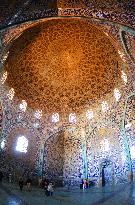
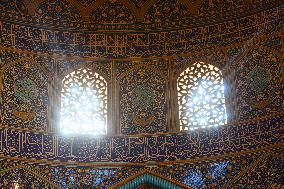
IRAN. ISPAHAN ESFAHAN. EMAM SQUARE. INSIDE VIEW OF THE DOME OF THE CHEIKH LOTFALLA'S MOSQUE, OR WOMEN'S MOSQUE, BUILT IN THE XVIIE CENTURY (1598- 1619) UNDER THE REIGN OF THE SAFAVIDES KINGS. ITS MAIN ARCHITECT IS MOHAMMAD RIZA IBN HUSSAIN. Photo by Antoine Lorgnier/Only World/ABACAPRESS.COM

  •  
Illustration - Iran

Illustration - Iran

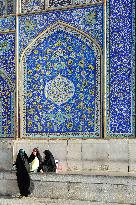
IRAN. ISPAHAN ESFAHAN. EMAM SQUARE. WOMEN IN VAIL IN FRONT OF THE CHEIKH LOTFALLA'S MOSQUE, OR WOMEN'S MOSQUE, BUILT IN THE XVIIE CENTURY (1598- 1619) UNDER THE REIGN OF THE SAFAVIDES KINGS. ITS MAIN ARCHITECT IS MOHAMMAD RIZA IBN HUSSAIN. Photo by Antoine Lorgnier/Only World/ABACAPRESS.COM

  •  
Illustration - Iran

Illustration - Iran

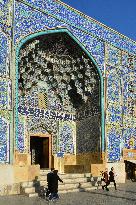
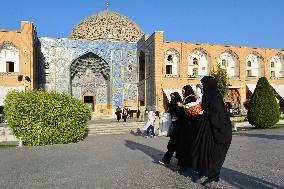
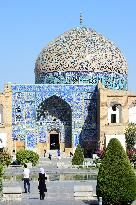
IRAN. ISPAHAN ESFAHAN. EMAM SQUARE. THE CHEIKH LOTFALLA'S MOSQUE, OR WOMEN'S MOSQUE, BUILT IN THE XVIIE CENTURY (1598- 1619) UNDER THE REIGN OF THE SAFAVIDES KINGS. ITS MAIN ARCHITECT IS MOHAMMAD RIZA IBN HUSSAIN. Photo by Antoine Lorgnier/Only World/ABACAPRESS.COM

  •  
Illustration - Iran

Illustration - Iran

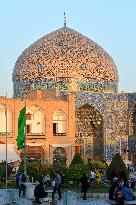
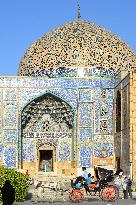
IRAN. ISPAHAN ESFAHAN. EMAM SQUARE. THE CHEIKH LOTFALLA'S MOSQUE, OR WOMEN'S MOSQUE, BUILT IN THE XVIIE CENTURY (1598- 1619) UNDER THE REIGN OF THE SAFAVIDES KINGS. ITS MAIN ARCHITECT IS MOHAMMAD RIZA IBN HUSSAIN. Photo by Antoine Lorgnier/Only World/ABACAPRESS.COM

  •  
Illustration - Iran

Illustration - Iran

IRAN. ISPAHAN ESFAHAN. EMAM SQUARE. THE CHEIKH LOTFALLA'S MOSQUE, OR WOMEN'S MOSQUE, BUILT IN THE XVIIE CENTURY (1598- 1619) UNDER THE REIGN OF THE SAFAVIDES KINGS. ITS MAIN ARCHITECT IS MOHAMMAD RIZA IBN HUSSAIN. Photo by Antoine Lorgnier/Only World/ABACAPRESS.COM

  •  
Illustration - Iran

Illustration - Iran

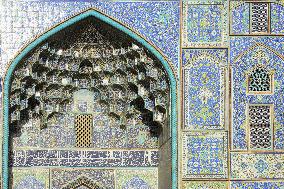
IRAN. ISPAHAN ESFAHAN. EMAM SQUARE. INSIDE VIEW OF THE CHEIKH LOTFALLA'S MOSQUE, OR WOMEN'S MOSQUE, BUILT IN THE XVIIE CENTURY (1598- 1619) UNDER THE REIGN OF THE SAFAVIDES KINGS. ITS MAIN ARCHITECT IS MOHAMMAD RIZA IBN HUSSAIN. Photo by Antoine Lorgnier/Only World/ABACAPRESS.COM

  •  
Illustration - Iran

Illustration - Iran

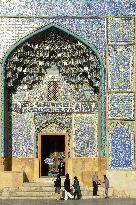
IRAN. ISPAHAN ESFAHAN. EMAM SQUARE. THE CHEIKH LOTFALLA'S MOSQUE, OR WOMEN'S MOSQUE, HAS BEEN BUILT IN THE XVIIE CENTURY (1598- 1619) UNDER THE REIGN OF THE SAFAVIDES KINGS. ITS MAIN ARCHITECT IS MOHAMMAD RIZA IBN HUSSAIN. Photo by Antoine Lorgnier/Only World/ABACAPRESS.COM

  •  
Illustration - Iran

Illustration - Iran

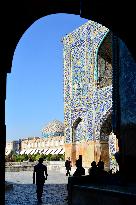
IRAN. ISPAHAN ESFAHAN. EMAM SQUARE. VIEW OF THE DOME OF THE CHEIKH LOTFALLA'S MOSQUE, OR WOMEN'S MOSQUE, BUILT IN THE XVIIE CENTURY (1598- 1619) UNDER THE REIGN OF THE SAFAVIDES KINGS. ITS MAIN ARCHITECT IS MOHAMMAD RIZA IBN HUSSAIN. Photo by Antoine Lorgnier/Only World/ABACAPRESS.COM

  •  
Illustration - Iran

Illustration - Iran

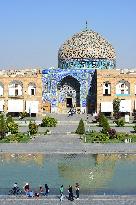
IRAN. ISPAHAN ESFAHAN. EMAM SQUARE. THE CHEIKH LOTFALLA'S MOSQUE, OR WOMEN'S MOSQUE, BUILT IN THE XVIIE CENTURY (1598- 1619) UNDER THE REIGN OF THE SAFAVIDES KINGS. ITS MAIN ARCHITECT IS MOHAMMAD RIZA IBN HUSSAIN. Photo by Antoine Lorgnier/Only World/ABACAPRESS.COM

  •  
Illustration - Iran

Illustration - Iran

IRAN. ISPAHAN ESFAHAN. THE CHEIKH LOTFALLA'S MOSQUE, OR WOMEN'S MOSQUE, HAS BEEN BUILT IN THE XVIIE CENTURY (1598- 1619) UNDER THE REIGN OF THE SAFAVIDES KINGS. ITS MAIN ARCHITECT IS MOHAMMAD RIZA IBN HUSSAIN. Photo by Antoine Lorgnier/Only World/ABACAPRESS.COM

  •  
Illustration - Iran

Illustration - Iran

IRAN. ISPAHAN ESFAHAN. EMAM SQUARE. THE CHEIKH LOTFALLA'S MOSQUE, OR WOMEN'S MOSQUE, HAS BEEN BUILT IN THE XVIIE CENTURY (1598- 1619) UNDER THE REIGN OF THE SAFAVIDES KINGS. ITS MAIN ARCHITECT IS MOHAMMAD RIZA IBN HUSSAIN. Photo by Antoine Lorgnier/Only World/ABACAPRESS.COM

  •  
Illustration - Iran

Illustration - Iran

IRAN. ISPAHAN ESFAHAN. EMAM SQUARE. THE CHEIKH LOTFALLA'S MOSQUE, OR WOMEN'S MOSQUE, HAS BEEN BUILT IN THE XVIIE CENTURY (1598- 1619) UNDER THE REIGN OF THE SAFAVIDES KINGS. ITS MAIN ARCHITECT IS MOHAMMAD RIZA IBN HUSSAIN. Photo by Antoine Lorgnier/Only World/ABACAPRESS.COM

  •  
Illustration - Brittany

Illustration - Brittany

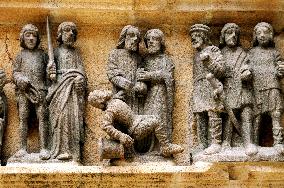
FRANCE. BRITTANY REGION. FINISTERE (29) PLOUGASTEL PENINSULA. DETAIL OF THE PLOUGASTEL DAOULAS CROSS (BUILT BETWEEN 1602 AND 1604 IN THANKS FOR THE END OF THE PLAGUE OF 1598) Photo by Michel Renaudeau/Only France/ABACAPRESS.COM

  •  
Important cultural property reproduced

Important cultural property reproduced

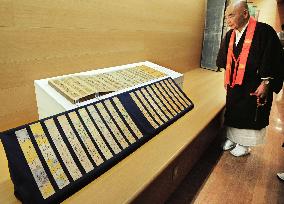
KYOTO, Japan - Replicas of "Daigo Hanami Tanzaku" (below), a collection of waka, Japanese traditional poems, written at a feast held by Toyotomi Hideyoshi in 1598, are shown at Daigoji, a World Heritage temple in Kyoto City, on June 3, 2014. Fuji Xerox Co. reproduced the collection.

  •  
Important cultural property reproduced

Important cultural property reproduced

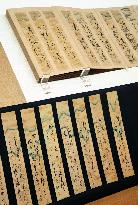
KYOTO, Japan - Replicas of "Daigo Hanami Tanzaku" (below), a collection of waka, Japanese traditional poems, written at a feast held by Toyotomi Hideyoshi in 1598, are shown at Daigoji, a World Heritage temple in Kyoto City, on June 3, 2014. Fuji Xerox Co. reproduced the collection. Shown above is the original work, a national important cultural property.

  •  
'Daigo Hanami Tanzaku' reproduced

'Daigo Hanami Tanzaku' reproduced

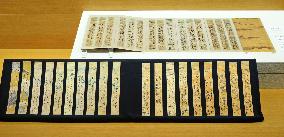
KYOTO, Japan - Replicas of "Daigo Hanami Tanzaku" (below), a collection of waka, Japanese traditional poems, written at a feast held by Toyotomi Hideyoshi in 1598 in Daigoji Temple in Kyoto, are shown at the World Heritage temple on June 3, 2014. Fuji Xerox Co. reproduced the collection. Shown above is the original work, a national important cultural property.

  •  
Yasukuni Shrine returns monument to Korean people

Yasukuni Shrine returns monument to Korean people

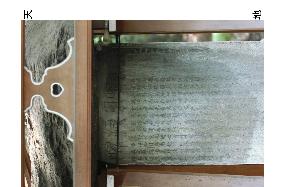
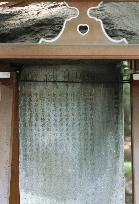
TOKYO, Japan - The Bukgwandaecheopbi monument at Yasukuni Shrine in Tokyo, which was built in memory of Korean Admiral Li Sun Sin who fought against Japanese expeditions launched by warlord Toyotomi Hideyoshi (1537-1598) to conquer Korea in the late 1590s, was returned to South Korea on Oct. 12. The monument had been kept at the shrine after Japanese forces brought it to Japan during the 1904-1905 Russo-Japanese War.

  •  
Yasukuni Shrine returns monument to Korean people

Yasukuni Shrine returns monument to Korean people

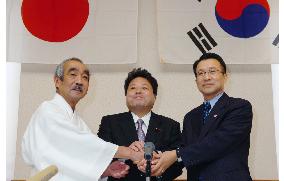
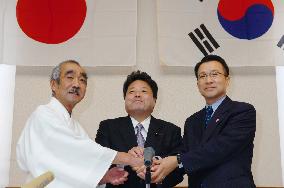
TOKYO, Japan - Toshiaki Nambu (L), priest at Yasukuni Shrine, Chu Gyu HO (C), minister at the South Korean Embassy, and Keishiro Fukushima, parliamentary secretary at the Foreign Ministry, join hands at Yasukuni Shrine in Tokyo on Oct. 12 during a ceremony to return an 18th-century Korean stone monument to South Korea. The Bukgwandaecheopbi monument was built in memory of Korean Admiral Li Sun Sin who fought against Japanese expeditions launched by warlord Toyotomi Hideyoshi (1537-1598) to conquer Korea in the late 1590s, and had been kept at the shrine since Japanese forces brought it to Japan during the 1904-1905 Russo-Japanese War.

  •  
Yasukuni Shrine returns monument to Korean people

Yasukuni Shrine returns monument to Korean people

TOKYO, Japan - The Bukgwandaecheopbi monument at Yasukuni Shrine in Tokyo, which was built in memory of Korean Admiral Li Sun Sin who fought against Japanese expeditions launched by warlord Toyotomi Hideyoshi (1537-1598) to conquer Korea in the late 1590s, was returned to South Korea on Oct. 12. The monument had been kept at the shrine after Japanese forces brought it to Japan during the 1904-1905 Russo-Japanese War. (Kyodo)

  •  
Yasukuni Shrine returns monument to Korean people

Yasukuni Shrine returns monument to Korean people

TOKYO, Japan - Toshiaki Nambu (L), priest at Yasukuni Shrine, Chu Gyu HO (C), minister at the South Korean Embassy, and Keishiro Fukushima, parliamentary secretary at the Foreign Ministry, join hands at Yasukuni Shrine in Tokyo on Oct. 12 during a ceremony to return an 18th-century Korean stone monument to South Korea. The Bukgwandaecheopbi monument was built in memory of Korean Admiral Li Sun Sin who fought against Japanese expeditions launched by warlord Toyotomi Hideyoshi (1537-1598) to conquer Korea in the late 1590s, and had been kept at the shrine since Japanese forces brought it to Japan during the 1904-1905 Russo-Japanese War. (Kyodo)

  •  
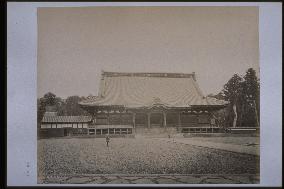
Shiba Zojoji Temple

Shiba Zojoji Temple

The main hall of Zojoji, built in 1605 after the relocation of the temple to Shiba from its original location at Edo Kaizuka (present-day Kioi-machi, Kanda Ward) in 1598. The temple was under the protection of the shogunate because it was the main temple of the Jodo sect of Buddhism in the Kanto area. Thus, the roof beam is embellished with the five gold hollyhock crests of the Tokugawa Shogunate. The building was destroyed by arson in December 1873. Although rebuilt in 1890, it burnt down again as a result of a bonfire lit by a homeless man in 1909. Although reconstructed in 1922, it was destroyed for a third time by American air raids in 1945. The present main hall was built in 1974.==Date:unknown, Place:Tokyo, Photo:R. Stillfried, (Credit:Nagasaki University Library/Kyodo News Images) [Cabinet Number78‐27‐0]

  • Main
  • Top
  • Editorial
  • Creative
  • About Us
  • About ILG
  • Terms of use
  • Company
  • BEHIND
  • Price List
  • Single Plan
  • Monthly Plan
  • Services
  • Shooting
  • Rights Clearance
  • Support
  • FAQ
  • How To Buy
  • Contact Us
  • Become a Partner

© KYODO NEWS IMAGES INC

All Rights Reserved.

  • Editorial
  • Olympics
  • News
  • Sports
  • Japan
  • Tech
  • Royal
  • Disaster
  • NorthKorea
  • Old Japan
  • SNS
  • Creative
  • Food
  • Japan
  • Landscape
  • Animal
  • Popular
  • #Ukraine
  • #China
  • #coronavirus
  • #N. Korea
  • #Russia
  • #Thailand
  • #Ukraine
  • #China
  • #coronavirus
  • #N. Korea
  • #Russia
  • #Thailand
  • Food
  • Japan
  • Landscape
  • Animal
  • Olympics
  • News
  • Sports
  • Japan
  • Tech
  • Royal
  • Disaster
  • NorthKorea
  • Old Japan
  • SNS