•  
China Gradually Resumed Imports of Japanese Aquatic Products

China Gradually Resumed Imports of Japanese Aquatic Products

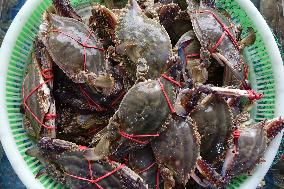
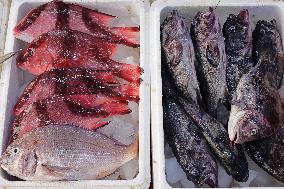
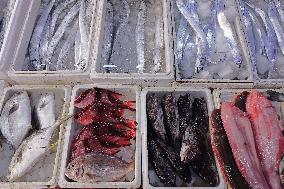
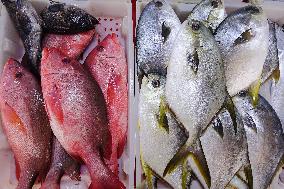
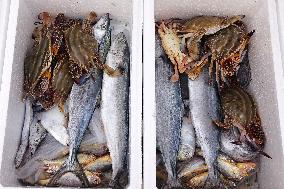
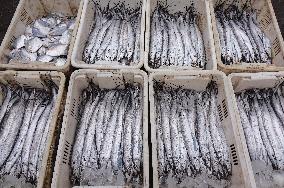
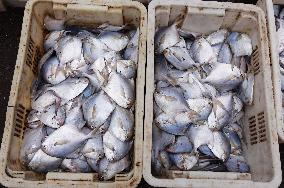
QINGDAO, CHINA - SEPTEMBER 14, 2024 - Photo taken on Sept. 14, 2024 shows seafood at Jimiya fishing port in Qingdao, East China's Shandong province. On September 20, 2024, China and Japan reached a consensus on the issue of the discharge of contaminated water from the Fukushima Daiichi nuclear power Plant, and China said that it would gradually resume the import of Japanese aquatic products that meet the regulations.

  •  
China Gradually Resumed Imports of Japanese Aquatic Products

China Gradually Resumed Imports of Japanese Aquatic Products

QINGDAO, CHINA - SEPTEMBER 14, 2024 - Photo taken on Sept. 14, 2024 shows seafood at Jimiya fishing port in Qingdao, East China's Shandong province. On September 20, 2024, China and Japan reached a consensus on the issue of the discharge of contaminated water from the Fukushima Daiichi nuclear power Plant, and China said that it would gradually resume the import of Japanese aquatic products that meet the regulations.

  •  
China Gradually Resumed Imports of Japanese Aquatic Products

China Gradually Resumed Imports of Japanese Aquatic Products

QINGDAO, CHINA - SEPTEMBER 14, 2024 - Photo taken on Sept. 14, 2024 shows seafood at Jimiya fishing port in Qingdao, East China's Shandong province. On September 20, 2024, China and Japan reached a consensus on the issue of the discharge of contaminated water from the Fukushima Daiichi nuclear power Plant, and China said that it would gradually resume the import of Japanese aquatic products that meet the regulations.

  •  
China Gradually Resumed Imports of Japanese Aquatic Products

China Gradually Resumed Imports of Japanese Aquatic Products

QINGDAO, CHINA - SEPTEMBER 14, 2024 - Photo taken on Sept. 14, 2024 shows seafood at Jimiya fishing port in Qingdao, East China's Shandong province. On September 20, 2024, China and Japan reached a consensus on the issue of the discharge of contaminated water from the Fukushima Daiichi nuclear power Plant, and China said that it would gradually resume the import of Japanese aquatic products that meet the regulations.

  •  
China Gradually Resumed Imports of Japanese Aquatic Products

China Gradually Resumed Imports of Japanese Aquatic Products

QINGDAO, CHINA - SEPTEMBER 14, 2024 - Photo taken on Sept. 14, 2024 shows seafood at Jimiya fishing port in Qingdao, East China's Shandong province. On September 20, 2024, China and Japan reached a consensus on the issue of the discharge of contaminated water from the Fukushima Daiichi nuclear power Plant, and China said that it would gradually resume the import of Japanese aquatic products that meet the regulations.

  •  
China Gradually Resumed Imports of Japanese Aquatic Products

China Gradually Resumed Imports of Japanese Aquatic Products

QINGDAO, CHINA - SEPTEMBER 14, 2024 - Photo taken on Sept. 14, 2024 shows seafood at Jimiya fishing port in Qingdao, East China's Shandong province. On September 20, 2024, China and Japan reached a consensus on the issue of the discharge of contaminated water from the Fukushima Daiichi nuclear power Plant, and China said that it would gradually resume the import of Japanese aquatic products that meet the regulations.

  •  
China Gradually Resumed Imports of Japanese Aquatic Products

China Gradually Resumed Imports of Japanese Aquatic Products

QINGDAO, CHINA - SEPTEMBER 14, 2024 - Photo taken on Sept. 14, 2024 shows seafood at Jimiya fishing port in Qingdao, East China's Shandong province. On September 20, 2024, China and Japan reached a consensus on the issue of the discharge of contaminated water from the Fukushima Daiichi nuclear power Plant, and China said that it would gradually resume the import of Japanese aquatic products that meet the regulations.

  •  
China Gradually Resumed Imports of Japanese Aquatic Products

China Gradually Resumed Imports of Japanese Aquatic Products

QINGDAO, CHINA - SEPTEMBER 14, 2024 - Photo taken on Sept. 14, 2024 shows seafood at Jimiya fishing port in Qingdao, East China's Shandong province. On September 20, 2024, China and Japan reached a consensus on the issue of the discharge of contaminated water from the Fukushima Daiichi nuclear power Plant, and China said that it would gradually resume the import of Japanese aquatic products that meet the regulations.

  •  
China Gradually Resumed Imports of Japanese Aquatic Products

China Gradually Resumed Imports of Japanese Aquatic Products

QINGDAO, CHINA - SEPTEMBER 14, 2024 - Photo taken on Sept. 14, 2024 shows seafood at Jimiya fishing port in Qingdao, East China's Shandong province. On September 20, 2024, China and Japan reached a consensus on the issue of the discharge of contaminated water from the Fukushima Daiichi nuclear power Plant, and China said that it would gradually resume the import of Japanese aquatic products that meet the regulations.

  •  
Salt Supply in China As Nuclear Contamination in Japan

Salt Supply in China As Nuclear Contamination in Japan

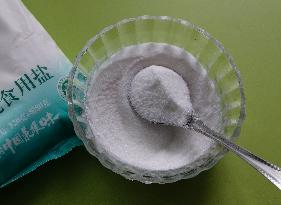
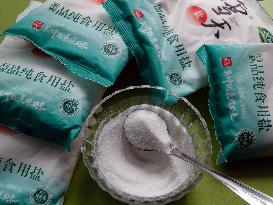
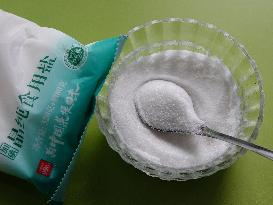
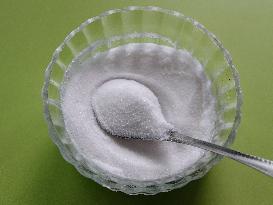
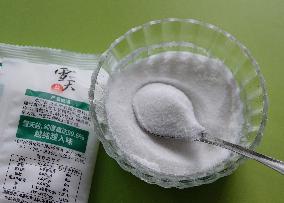
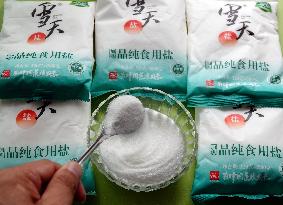
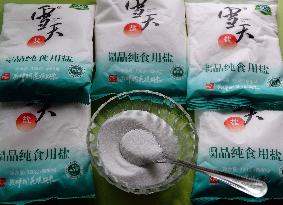
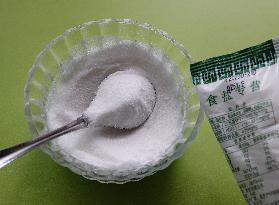
YICHANG, CHINA - AUGUST 26, 2023 - A citizen shows salt he bought in Yichang, Hubei province, China, Aug 26, 2023. Recently, affected by the discharge of nuclear contaminated water in Japan, some parts of China have seen a wave of salt buying. The relevant person in charge of the China Salt Industry Association said that China's salt reserves are sufficient and the production capacity is stable, which can fully guarantee the salt supply, and the masses do not need to stockpile salt.

  •  
Salt Supply in China As Nuclear Contamination in Japan

Salt Supply in China As Nuclear Contamination in Japan

YICHANG, CHINA - AUGUST 26, 2023 - A citizen shows salt he bought in Yichang, Hubei province, China, Aug 26, 2023. Recently, affected by the discharge of nuclear contaminated water in Japan, some parts of China have seen a wave of salt buying. The relevant person in charge of the China Salt Industry Association said that China's salt reserves are sufficient and the production capacity is stable, which can fully guarantee the salt supply, and the masses do not need to stockpile salt.

  •  
Salt Supply in China As Nuclear Contamination in Japan

Salt Supply in China As Nuclear Contamination in Japan

YICHANG, CHINA - AUGUST 26, 2023 - A citizen shows salt he bought in Yichang, Hubei province, China, Aug 26, 2023. Recently, affected by the discharge of nuclear contaminated water in Japan, some parts of China have seen a wave of salt buying. The relevant person in charge of the China Salt Industry Association said that China's salt reserves are sufficient and the production capacity is stable, which can fully guarantee the salt supply, and the masses do not need to stockpile salt.

  •  
Salt Supply in China As Nuclear Contamination in Japan

Salt Supply in China As Nuclear Contamination in Japan

YICHANG, CHINA - AUGUST 26, 2023 - A citizen shows salt he bought in Yichang, Hubei province, China, Aug 26, 2023. Recently, affected by the discharge of nuclear contaminated water in Japan, some parts of China have seen a wave of salt buying. The relevant person in charge of the China Salt Industry Association said that China's salt reserves are sufficient and the production capacity is stable, which can fully guarantee the salt supply, and the masses do not need to stockpile salt.

  •  
Salt Supply in China As Nuclear Contamination in Japan

Salt Supply in China As Nuclear Contamination in Japan

YICHANG, CHINA - AUGUST 26, 2023 - A citizen shows salt he bought in Yichang, Hubei province, China, Aug 26, 2023. Recently, affected by the discharge of nuclear contaminated water in Japan, some parts of China have seen a wave of salt buying. The relevant person in charge of the China Salt Industry Association said that China's salt reserves are sufficient and the production capacity is stable, which can fully guarantee the salt supply, and the masses do not need to stockpile salt.

  •  
Salt Supply in China As Nuclear Contamination in Japan

Salt Supply in China As Nuclear Contamination in Japan

YICHANG, CHINA - AUGUST 26, 2023 - A citizen shows salt he bought in Yichang, Hubei province, China, Aug 26, 2023. Recently, affected by the discharge of nuclear contaminated water in Japan, some parts of China have seen a wave of salt buying. The relevant person in charge of the China Salt Industry Association said that China's salt reserves are sufficient and the production capacity is stable, which can fully guarantee the salt supply, and the masses do not need to stockpile salt.

  •  
Salt Supply in China As Nuclear Contamination in Japan

Salt Supply in China As Nuclear Contamination in Japan

YICHANG, CHINA - AUGUST 26, 2023 - A citizen shows salt he bought in Yichang, Hubei province, China, Aug 26, 2023. Recently, affected by the discharge of nuclear contaminated water in Japan, some parts of China have seen a wave of salt buying. The relevant person in charge of the China Salt Industry Association said that China's salt reserves are sufficient and the production capacity is stable, which can fully guarantee the salt supply, and the masses do not need to stockpile salt.

  •  
Salt Supply in China As Nuclear Contamination in Japan

Salt Supply in China As Nuclear Contamination in Japan

YICHANG, CHINA - AUGUST 26, 2023 - A citizen shows salt he bought in Yichang, Hubei province, China, Aug 26, 2023. Recently, affected by the discharge of nuclear contaminated water in Japan, some parts of China have seen a wave of salt buying. The relevant person in charge of the China Salt Industry Association said that China's salt reserves are sufficient and the production capacity is stable, which can fully guarantee the salt supply, and the masses do not need to stockpile salt.

  •  

Japan's nuclear-contaminated water discharge to affect millions: Pakistani expert

STORY: Japan's nuclear-contaminated water discharge to affect millions: Pakistani expert DATELINE: July 14, 2023 LENGTH: 00:02:39 LOCATION: Islamabad CATEGORY: ENVIRONMENT SHOTLIST: 1. various of the Fukushima plant 2. SOUNDBITE (English): ZAFAR ULLAH KORESHI, Dean of graduate studies, Air University, Pakistan 3. various of protests in Japan and South Korea STORYLINE: A Pakistani expert has expressed concern over Japan's plan to discharge nuclear-contaminated water into the ocean. The dean of graduate studies of Air University in Pakistan said that such actions will affect the entire ocean bed and the health of millions of people. SOUNDBITE (English): ZAFAR ULLAH KORESHI, Dean of graduate studies, Air University, Pakistan "The contamination of the seawater, which is our common property, and it is the Pacific Ocean. So it affects fishermen, and the seafood, the marine life, and the effect of life and the ecological effect also. So I think it's a very serious thing. The government has got approval to disch

  •  

Tests of Fukushima wastewater release facility spark outcry

STORY: Tests of Fukushima wastewater release facility spark outcry DATELINE: June 13, 2023 LENGTH: 00:02:42 LOCATION: Tokyo CATEGORY: POLITICS/ENVIRONMENT SHOTLIST: 1. various of Japan 2. SOUNDBITE 1 (Japanese): MIZUHO FUKUSHIMA, Head of Social Democratic Party 3. SOUNDBITE 2 (Japanese): TOSHIKO OKADA, Member of a citizens' group 4. SOUNDBITE 3 (Japanese): MUKAI, Sanya Labor Center member 5. screenshots of netizens' comments 6. various of Japan STORYLINE: The operator of Japan's crippled Fukushima Daiichi nuclear power plant has begun testing the equipment to discharge nuclear-contaminated water into the Pacific amid fierce opposition from home and abroad. Fears of nuclear contamination are growing, as many are worried that the environmental impact will be irreversible and can not be tested. SOUNDBITE 1 (Japanese): MIZUHO FUKUSHIMA, Head of Social Democratic Party "Radioactive materials, once discharged, cannot be retrieved, so they must be intensively managed. Such materials would be beyond management i

  •  

Japanese public gathers to oppose contaminated wastewater discharge plan

STORY: Japanese public gathers to oppose contaminated wastewater discharge plan DATELINE: April 14, 2023 LENGTH: 00:01:12 LOCATION: Tokyo CATEGORY: ENVIRONMENT SHOTLIST: 1. various of Japanese against nuclear-contaminated wastewater discharge plan 2. various of the protest STORYLINE: Japanese residents on Thursday held a rally in Tokyo to protest against the Japanese government's plan to discharge nuclear-contaminated water into the sea. Carrying signs such as "Do not let nuclear-tainted water pollute the sea" and "Do not spill poison into the sea," about 120 protestors of all ages rallied in front of the House of Representatives, or the lower house of the Diet. The contaminated water must first be stored to minimize radioactivity before the world works out how to deal with it, said Toshihiro Inoue, the organizer of the rally. If the nuclear-contaminated water is allowed to be discharged into the sea, arbitrary discharges would take place whenever nuclear contamination occurs in the future, he said. Ig

  •  
Rakuten opens indoor sports facility for Fukushima kids

Rakuten opens indoor sports facility for Fukushima kids

SOMA, Japan - Rakuten Eagles catcher (far R) Yasuhito Uchida and pitcher Takahiro Norimoto play with children on Dec. 18, 2014, at an event marking the opening of Soma Kodomo Dome, an indoor sports facility for kids built by Rakuten Baseball Inc. and others in Soma, Fukushima Prefecture, before it opens to the public on Dec. 22. Many children in the northeastern Japan city lack in physical exercise as they have been barred from playing outdoors due to radioactive contamination from the tsunami-crippled Fukushima Daiichi nuclear power plant.

  •  
Rakuten opens indoor sports facility for Fukushima kids

Rakuten opens indoor sports facility for Fukushima kids

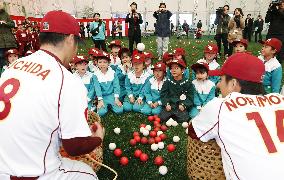
SOMA, Japan - Rakuten Eagles catcher Yasuhito Uchida (8) and pitcher Takahiro Norimoto play with children on Dec. 18, 2014, at an event marking the opening of Soma Kodomo Dome, an indoor sports facility for kids built by Rakuten Baseball Inc. and others in Soma, Fukushima Prefecture, before it opens to the public on Dec. 22. Many children in the northeastern Japan city lack in physical exercise as they have been barred from playing outdoors due to radioactive contamination from the tsunami-crippled Fukushima Daiichi nuclear power plant.

  •  
Decommissioning panel members check Fukushima plant monitor

Decommissioning panel members check Fukushima plant monitor

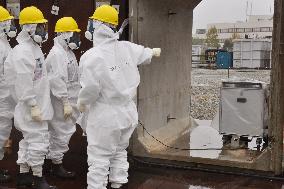
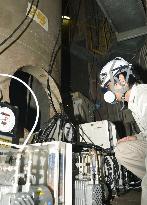
FUKUSHIMA, Japan - Members of a panel tasked to ensure the safety of decommissioning work at the crippled Fukushima Daiichi nuclear power plant check a device monitoring radioactive contamination at the plant in Okuma, Fukushima Prefecture, northeastern Japan, on Oct. 22, 2014. (Pool photo)

  •  
Fukushima Pref. port little changed due to power plant

Fukushima Pref. port little changed due to power plant

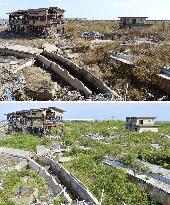
SENDAI, Japan - Photos taken on Nov. 14, 2012, (above), and Aug. 31, 2014, at Ukedo port in the town of Namie, Fukushima Prefecture, show little difference due proximity to a nuclear power plant crippled by the 2011 earthquake and tsunami. Entry into the area is permitted only during the day due to radioactive contamination.

  •  
Temporary store to open in Fukushima at end of evacuation

Temporary store to open in Fukushima at end of evacuation

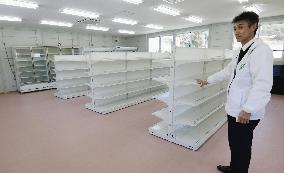
TAMURA, Japan - A worker shows on March 31, 2014, empty shelves to be filled with products at a temporary store scheduled to open in the Miyakoji district of Tamura, Fukushima Prefecture, northeastern Japan. A government evacuation order for the area, issued due to radioactive contamination in the aftermath of the March 2011 meltdown of the Fukushima Daiichi nuclear power complex, was lifted on April 1.

  •  
Fukushima fishermen's concerns over marine products

Fukushima fishermen's concerns over marine products

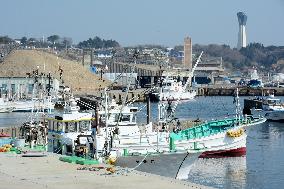
IWAKI, Japan - Boats dock in Onahama port in the city of Iwaki, Fukushima Prefecture, on March 25, 2014. Since the crippled Fukushima Daiichi nuclear complex began to spew radioactive contamination in March 2011, local fishermen have been facing hardship as they try to erase consumers' safety concerns over their marine products.

  •  
Fukushima sake brewers promote new brews

Fukushima sake brewers promote new brews

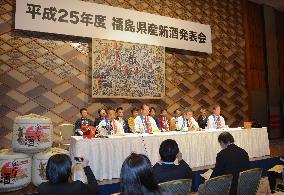
TOKYO, Japan - Representatives of Fukushima Prefecture's sake brewers meet the press at a hotel in Tokyo on Jan. 22, 2014, to promote new brews. Stressing that their sake are all safe and have undergone strict inspections for radioactive contamination, they expressed hope to revive sales that have been dampened by the March 2011 Fukushima nuclear disaster.

  •  
Groundwater contamination at Fukushima plant

Groundwater contamination at Fukushima plant

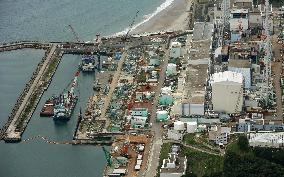
TOKYO, Japan - Photo taken from a Kyodo News helicopter over the town of Okuma, Fukushima Prefecture, shows the Fukushima Daiichi Nuclear Power Station on July 9, 2013. Tokyo Electric Power Co., the operator of the crippled plant, said the same day that the density of radioactive cesium in groundwater by the sea at the plant has soared to around 90 times higher than three days ago.

  •  
TEPCO in Fukushima

TEPCO in Fukushima

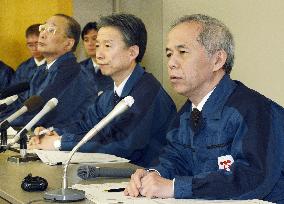
NARAHA, Japan - (From R) Tokyo Electric Power Co. President Naomi Hirose, Vice President Yoshiyuki Ishizaki and Chairman Kazuhiko Shimokobe attend a press conference after their meeting at the utility's new office in Naraha, Fukushima Prefecture, on Jan. 11, 2013. Ishizaki, head of the new Fukushima office of TEPCO, pledged to work fast on implementing measures aimed at helping residents affected by the 2011 nuclear disaster, such as compensation and cleaning up radioactive contamination.

  •  
Kitakyushu starts trial incineration of quake-tsunami debris

Kitakyushu starts trial incineration of quake-tsunami debris

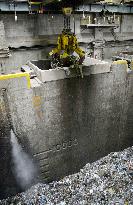
KITAKYUSHU, Japan - A worker at an incineration plant in Kitakyushu, Fukuoka Prefecture, on May 23, 2012 checks radioactive cesium levels in exhaust gas from trial incineration of debris from the March 2011 earthquake and tsunami in northeastern Japan. Opponents of the incineration cited fear of radioactive contamination as the disaster areas are closer to the disaster-struck Fukushima Daiichi Nuclear Power Station.

  •  
Kitakyushu starts trial incineration of quake-tsunami debris

Kitakyushu starts trial incineration of quake-tsunami debris

KITAKYUSHU, Japan - Waste including debris from the March 2011 earthquake and tsunami in northeastern Japan is burned in a trial at an incineration plant in Kitakyushu, Fukuoka Prefecture, on May 23, 2012. Opponents of the incineration cited fear of radioactive contamination as the disaster areas are closer to the disaster-struck Fukushima Daiichi Nuclear Power Station.

  •  
Kitakyushu starts trial incineration of quake-tsunami debris

Kitakyushu starts trial incineration of quake-tsunami debris

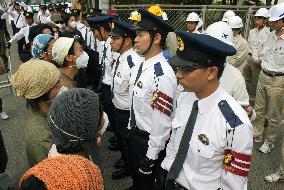
KITAKYUSHU, Japan - Opponents (L) of trial incineration in Kitakyushu, Fukuoka Prefecture of debris from the March 2011 earthquake and tsunami in northeastern Japan are prevented by a line of police from interfering with the work on May 23, 2012. Protesters cited fear of radioactive contamination as the disaster areas are closer to the disaster-struck Fukushima Daiichi Nuclear Power Station.

  •  
Active carbon made from corn core capable of absorbing cesium

Active carbon made from corn core capable of absorbing cesium

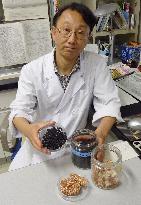
MORIOKA, Japan - Akira Sasaki, senior researcher at the environmental health research center of the Iwate prefectural government and from Iwate University, holds activated carbon made from corn cores in Morioka on May 2, 2012. A group of researchers at the center said they have found activated carbon made from corn cores is highly capable of absorbing cesium, raising expectations that it could be used to prevent cesium contamination of farm products in the wake of the nuclear disaster at the Fukushima Daiichi complex.

  •  
Radiation expert fighting Fukushima contamination

Radiation expert fighting Fukushima contamination

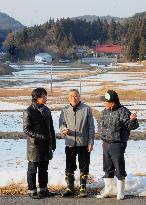
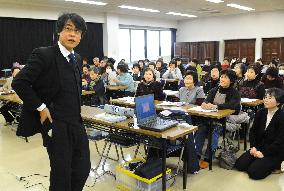
TOKYO, Japan - Shinzo Kimura (L), a radiation hygiene expert, talks with Chuhei Sakai (C), the leader of a group of residents promoting decontamination in Iwaki, Fukushima Prefecture, while measuring radiation levels in Iwaki on Feb. 22, 2012. Kimura quit his job at the National Institute of Occupational Safety and Health when his boss at the government-affiliated institute refused to give the green light for the 44-year-old scientist's trip to Fukushima to collect soil and air samples immediately after the explosion at the Fukushima Daiichi nuclear power plant on March 12, 2011.

  •  
Radiation expert fighting Fukushima contamination

Radiation expert fighting Fukushima contamination

TOKYO, Japan - Shinzo Kimura (L), a radiation hygiene expert, gives a lecture on radiation during a local women's association meeting in Nihommatsu, Fukushima Prefecture, on Feb. 21, 2012. The 44-year-old scientist quit his job at the National Institute of Occupational Safety and Health when his boss at the government-affiliated institute refused to give the green light for his trip to Fukushima to collect soil and air samples immediately after the explosion at the Fukushima Daiichi nuclear power plant on March 12, 2011.

  •  
Tokyo begins disposing of debris from quake-hit Miyako

Tokyo begins disposing of debris from quake-hit Miyako

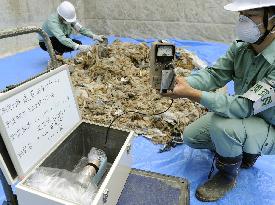
TOKYO, Japan - Workers measure the radiation level of debris from the quake-hit city of Miyako in Iwate Prefecture, northeastern Japan, at a crushing facility in Tokyo's Ota Ward on Nov. 3, 2011. Amid fears of contamination by radioactive substances leaked from the crisis-hit Fukushima nuclear plant, Tokyo is the only municipality, aside from some in the northeast, that has so far stepped forward to accept rubble from areas hit by the March 11 earthquake and tsunami to help expedite reconstruction.

  •  
Tokyo begins disposing of debris from quake-hit Miyako

Tokyo begins disposing of debris from quake-hit Miyako

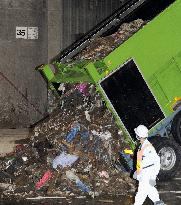
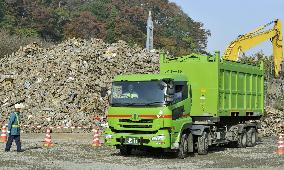
TOKYO, Japan - Debris from the quake-hit city of Miyako in Iwate Prefecture, northeastern Japan, is unloaded from a truck at a crushing facility in Tokyo's Ota Ward on Nov. 3, 2011. Amid fears of contamination by radioactive substances leaked from the crisis-hit Fukushima nuclear plant, Tokyo is the only municipality, aside from some in the northeast, that has so far stepped forward to accept rubble from areas hit by the March 11 earthquake and tsunami to help expedite reconstruction.

  •  
Debris transportation from quake-hit Miyako to Tokyo

Debris transportation from quake-hit Miyako to Tokyo

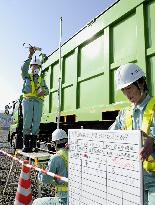
MIYAKO, Japan - Workers measure radiation levels of a truck container onto which debris was loaded for transportation to Tokyo from a temporary debris storage site in Miyako, Iwate Prefecture, northeastern Japan, on Nov. 2, 2011. Amid fears of contamination by radioactive substances leaked from the crisis-hit Fukushima nuclear plant, Tokyo is the only municipality, aside from some in the northeast, that has so far stepped forward to accept rubble from areas hit by the March disasters to help expedite reconstruction.

  •  
Debris transportation from quake-hit Miyako to Tokyo

Debris transportation from quake-hit Miyako to Tokyo

MIYAKO, Japan - A truck leaves a temporary debris storage site in Miyako, Iwate Prefecture, northeastern Japan, on Nov. 2, 2011, after debris was loaded onto its container for transportation to Tokyo. Amid fears of contamination by radioactive substances leaked from the crisis-hit Fukushima nuclear plant, Tokyo is the only municipality, aside from some in the northeast, that has so far stepped forward to accept rubble from areas hit by the March disasters to help expedite reconstruction.

  •  
Debris transportation from quake-hit Miyako to Tokyo

Debris transportation from quake-hit Miyako to Tokyo

MIYAKO, Japan - Debris is loaded onto a truck container at a temporary debris storage site in Miyako, Iwate Prefecture, northeastern Japan, for transportation to Tokyo on Nov. 2, 2011, as the operation to transport debris to Tokyo from the Pacific coastal city began the same day. Amid fears of contamination by radioactive substances leaked from the crisis-hit Fukushima nuclear plant, Tokyo is the only municipality, aside from some in the northeast, that has so far stepped forward to accept rubble from areas hit by the March disasters to help expedite reconstruction.

  •  
Lanterns lined up in disaster-hit Fukushima

Lanterns lined up in disaster-hit Fukushima

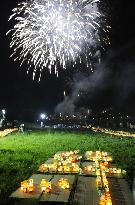
FUKUSHIMA, Japan - The letter ''kizuna'' (bond) is formed by illuminated lanterns along the Abukuma River against the backdrop of fireworks during the annual lantern floating event in Fukushima on Aug. 17, 2011. Usually people release lanterns into the river at the summer event but the practice was withheld this year over fears of radiation contamination of the river in the wake of the nuclear plant accident.

  •  
Lanterns lined up in disaster-hit Fukushima

Lanterns lined up in disaster-hit Fukushima

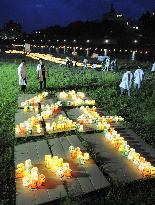
FUKUSHIMA, Japan - The letter ''kizuna'' (bond) is formed by illuminated lanterns along the Abukuma River during the annual lantern floating event in Fukushima on Aug. 17, 2011. Usually people release lanterns into the river at the summer event but the practice was withheld this year over fears of radiation contamination of the river in the wake of the nuclear plant accident.

  •  
Cattle farmers protest against Tokyo Electric

Cattle farmers protest against Tokyo Electric

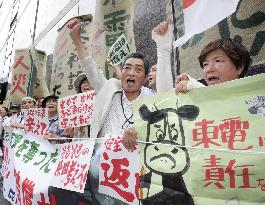
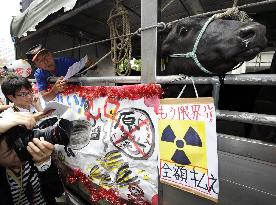
TOKYO, Japan - Around 350 beef cattle farmers from many areas of Japan stage a demonstration against Tokyo Electric Power Co. in front of the utility's head office in Tokyo on Aug. 3, 2011. The farmers demanded that TEPCO pay compensation in connection with the contamination of beef with radioactive cesium amid the nuclear crisis at the company's Fukushima Daiichi power plant.

  •  
Cattle farmers protest against Tokyo Electric

Cattle farmers protest against Tokyo Electric

TOKYO, Japan - Farmers bring beef cattle to a protest rally against Tokyo Electric Power Co. near the utility's head office in Tokyo on Aug. 3, 2011. Around 350 cattle farmers from many areas of Japan demanded that TEPCO pay compensation in connection with the contamination of beef with radioactive cesium amid the nuclear crisis at the company's Fukushima Daiichi power plant.

  •  
Household radiation counter

Household radiation counter

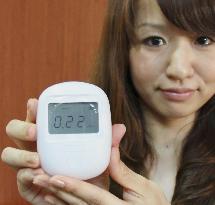
TOKYO, Japan - A woman holds a home radiation counter as S.T. Corp. said on July 26, 2011, that it will launch the Air Counter dosimeter Oct. 20. Demand for such counters has risen following the radioactive contamination from the nuclear crisis at the Fukushima Daiichi Nuclear Power Station in Fukushima Prefecture, northeastern Japan.

  •  
Vladivostok has fewer swimmers

Vladivostok has fewer swimmers

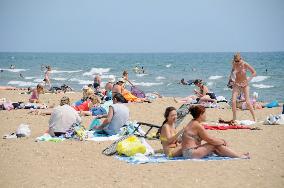
VLADIVOSTOK, Russia - Photo shows a beach near Vladivostok in the Russian Far East on July 21, 2011. Local travel agencies said beaches in the area have seen fewer swimmers in July than previous summers due to fears of radioactive contamination from Japan's Fukushima Daiichi Nuclear Power Station. Russian authorities have said no radiation contamination has been detected.

  •  
Cesium contamination in beef

Cesium contamination in beef

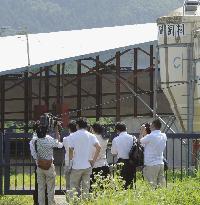
ASAKAWA, Japan - Reporters gather near a farm in the town of Asakawa, Fukushima Prefecture, on July 15, 2011. High levels of radioactive cesium have been found in straw fed to cattle at the farm after excessive levels of the substance were detected in beef shipped from the prefecture, which hosts the crippled Fukushima Daiichi Nuclear Power Station.

  •  
Cesium contamination in beef

Cesium contamination in beef

MINAMISOMA, Japan - A cow is fed straw in Minamisoma, Fukushima Prefecture, on July 12, 2011, after the prefectural government said straw posed no problem as animal feed. Beef of several cows shipped from the area near the crippled Fukushima Daiichi Nuclear Power Station was recently found to contain high levels of radioactive cesium. Some believe the cows had eaten straw saturated with cesium released by the power station.

  •  
Gov't promotes safety of Japanese food products

Gov't promotes safety of Japanese food products

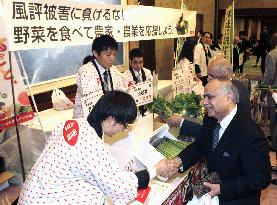
TOKYO, Japan - Foreign officials purchase farm produce at a booth selling vegetables from Fukushima and Ibaraki prefectures at the Foreign Ministry's Iikura Guest House in Tokyo on May 11, 2011, during an event hosted by the Japanese government to promote the safety of food products from the region affected by the March 11 earthquake and tsunami. A number of countries have been restricting imports of Japanese food products due to concerns over possible radiation contamination following the nuclear plant accident.

  •  
Gov't promotes safety of Japanese food products

Gov't promotes safety of Japanese food products

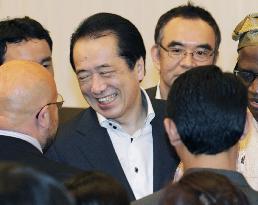
TOKYO, Japan - Japanese Prime Minister Naoto Kan (C) chats with foreign officials at the Foreign Ministry's Iikura Guest House in Tokyo on May 11, 2011, during an event hosted by the Japanese government to promote the safety of food products from the region affected by the March 11 earthquake and tsunami. A number of countries have been restricting imports of Japanese food products due to concerns over possible radiation contamination following the nuclear plant accident triggered by the disaster.

  • Main
  • Top
  • Editorial
  • Creative
  • About Us
  • About ILG
  • Terms of use
  • Company
  • BEHIND
  • Price List
  • Single Plan
  • Monthly Plan
  • Services
  • Shooting
  • Rights Clearance
  • Support
  • FAQ
  • How To Buy
  • Contact Us
  • Become a Partner

© KYODO NEWS IMAGES INC

All Rights Reserved.

  • Editorial
  • Olympics
  • News
  • Sports
  • Japan
  • Tech
  • Royal
  • Disaster
  • NorthKorea
  • Old Japan
  • SNS
  • Creative
  • Food
  • Japan
  • Landscape
  • Animal
  • Popular
  • #Ukraine
  • #Russia
  • #coronavirus
  • #N. Korea
  • #Thailand
  • #China
  • #Ukraine
  • #Russia
  • #coronavirus
  • #N. Korea
  • #Thailand
  • #China
  • Food
  • Japan
  • Landscape
  • Animal
  • Olympics
  • News
  • Sports
  • Japan
  • Tech
  • Royal
  • Disaster
  • NorthKorea
  • Old Japan
  • SNS