•  
Flash Flood Aftermath In Aceh Tamiang - Indonesia

Flash Flood Aftermath In Aceh Tamiang - Indonesia

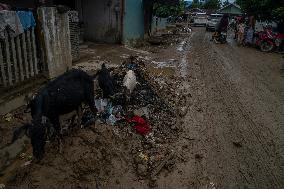
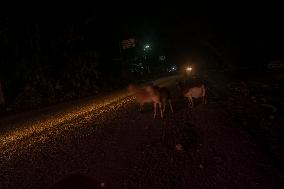
On December 16, 2025, in Aceh Tamiang, Aceh, Indonesia. Livestock lost their food source in areas covered in mud following the catastrophic flash floods triggered by Tropical Cyclone Senyar. Amidst the ruins, survivors collect timber transported from the highlands—a grim harvest from the upstream Leuser Ecosystem. Rudi Putra, environmentalist and founder of the Leuser Conservation Forum (FKL), warns that this disaster is not an isolated event but a symptom of the "6th Extinction" phase. Analysing the decadal climate cycle, Putra highlights a terrifying escalation: the scale of flood destruction is now a direct reflection of the vanishing "Heart of the World." Photo by Aditya Sutanta/ABACAPRESS.COM

  •  
Flash Flood Aftermath In Aceh Tamiang - Indonesia

Flash Flood Aftermath In Aceh Tamiang - Indonesia

On December 16, 2025, in Aceh Tamiang, Aceh, Indonesia. Livestock lost their food source in areas covered in mud following the catastrophic flash floods triggered by Tropical Cyclone Senyar. Amidst the ruins, survivors collect timber transported from the highlands—a grim harvest from the upstream Leuser Ecosystem. Rudi Putra, environmentalist and founder of the Leuser Conservation Forum (FKL), warns that this disaster is not an isolated event but a symptom of the "6th Extinction" phase. Analysing the decadal climate cycle, Putra highlights a terrifying escalation: the scale of flood destruction is now a direct reflection of the vanishing "Heart of the World." Photo by Aditya Sutanta/ABACAPRESS.COM

  •  
Workers Processing Dried Fish in Chattogram - Bangladesh

Workers Processing Dried Fish in Chattogram - Bangladesh

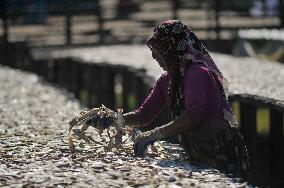
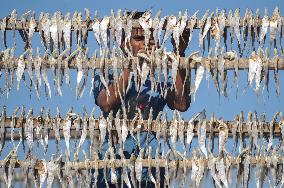
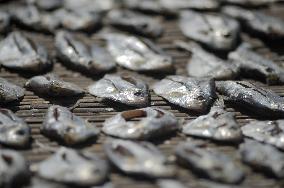
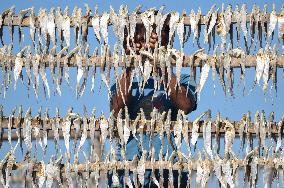
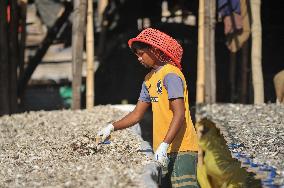
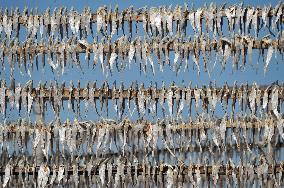
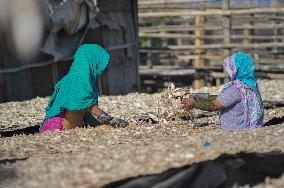
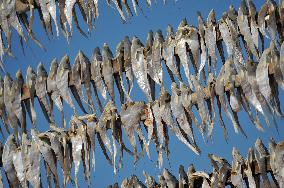
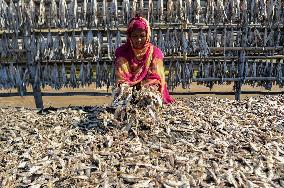
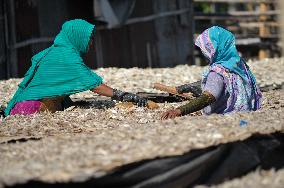
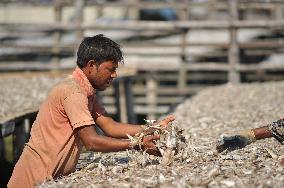
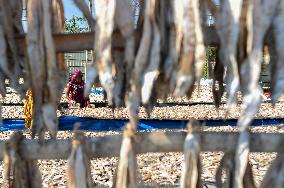
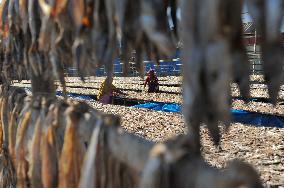
Workers during the process of drying fish at an open yard. The fish are cleaned, salted, and sun-dried on bamboo platforms for 4 to 5 days, depending on weather conditions. Dry fish processing requires consistent heat and remains a vital food source in Bangladesh, accounting for the fourth-largest share of fish consumption and providing an affordable protein across all income levels. on December 18, 2025 in Chittagong, Bangladesh. Photo by Md Rafayat Haque Khan/ Eyepix Group/ABACAPRESS.COM

  •  
Workers Processing Dried Fish in Chattogram - Bangladesh

Workers Processing Dried Fish in Chattogram - Bangladesh

Workers during the process of drying fish at an open yard. The fish are cleaned, salted, and sun-dried on bamboo platforms for 4 to 5 days, depending on weather conditions. Dry fish processing requires consistent heat and remains a vital food source in Bangladesh, accounting for the fourth-largest share of fish consumption and providing an affordable protein across all income levels. on December 18, 2025 in Chittagong, Bangladesh. Photo by Md Rafayat Haque Khan/ Eyepix Group/ABACAPRESS.COM

  •  
Workers Processing Dried Fish in Chattogram - Bangladesh

Workers Processing Dried Fish in Chattogram - Bangladesh

Workers during the process of drying fish at an open yard. The fish are cleaned, salted, and sun-dried on bamboo platforms for 4 to 5 days, depending on weather conditions. Dry fish processing requires consistent heat and remains a vital food source in Bangladesh, accounting for the fourth-largest share of fish consumption and providing an affordable protein across all income levels. on December 18, 2025 in Chittagong, Bangladesh. Photo by Md Rafayat Haque Khan/ Eyepix Group/ABACAPRESS.COM

  •  
Workers Processing Dried Fish in Chattogram - Bangladesh

Workers Processing Dried Fish in Chattogram - Bangladesh

Workers during the process of drying fish at an open yard. The fish are cleaned, salted, and sun-dried on bamboo platforms for 4 to 5 days, depending on weather conditions. Dry fish processing requires consistent heat and remains a vital food source in Bangladesh, accounting for the fourth-largest share of fish consumption and providing an affordable protein across all income levels. on December 18, 2025 in Chittagong, Bangladesh. Photo by Md Rafayat Haque Khan/ Eyepix Group/ABACAPRESS.COM

  •  
Workers Processing Dried Fish in Chattogram - Bangladesh

Workers Processing Dried Fish in Chattogram - Bangladesh

Workers during the process of drying fish at an open yard. The fish are cleaned, salted, and sun-dried on bamboo platforms for 4 to 5 days, depending on weather conditions. Dry fish processing requires consistent heat and remains a vital food source in Bangladesh, accounting for the fourth-largest share of fish consumption and providing an affordable protein across all income levels. on December 18, 2025 in Chittagong, Bangladesh. Photo by Md Rafayat Haque Khan/ Eyepix Group/ABACAPRESS.COM

  •  
Workers Processing Dried Fish in Chattogram - Bangladesh

Workers Processing Dried Fish in Chattogram - Bangladesh

Workers during the process of drying fish at an open yard. The fish are cleaned, salted, and sun-dried on bamboo platforms for 4 to 5 days, depending on weather conditions. Dry fish processing requires consistent heat and remains a vital food source in Bangladesh, accounting for the fourth-largest share of fish consumption and providing an affordable protein across all income levels. on December 18, 2025 in Chittagong, Bangladesh. Photo by Md Rafayat Haque Khan/ Eyepix Group/ABACAPRESS.COM

  •  
Workers Processing Dried Fish in Chattogram - Bangladesh

Workers Processing Dried Fish in Chattogram - Bangladesh

Workers during the process of drying fish at an open yard. The fish are cleaned, salted, and sun-dried on bamboo platforms for 4 to 5 days, depending on weather conditions. Dry fish processing requires consistent heat and remains a vital food source in Bangladesh, accounting for the fourth-largest share of fish consumption and providing an affordable protein across all income levels. on December 18, 2025 in Chittagong, Bangladesh. Photo by Md Rafayat Haque Khan/ Eyepix Group/ABACAPRESS.COM

  •  
Workers Processing Dried Fish in Chattogram - Bangladesh

Workers Processing Dried Fish in Chattogram - Bangladesh

Workers during the process of drying fish at an open yard. The fish are cleaned, salted, and sun-dried on bamboo platforms for 4 to 5 days, depending on weather conditions. Dry fish processing requires consistent heat and remains a vital food source in Bangladesh, accounting for the fourth-largest share of fish consumption and providing an affordable protein across all income levels. on December 18, 2025 in Chittagong, Bangladesh. Photo by Md Rafayat Haque Khan/ Eyepix Group/ABACAPRESS.COM

  •  
Workers Processing Dried Fish in Chattogram - Bangladesh

Workers Processing Dried Fish in Chattogram - Bangladesh

Workers during the process of drying fish at an open yard. The fish are cleaned, salted, and sun-dried on bamboo platforms for 4 to 5 days, depending on weather conditions. Dry fish processing requires consistent heat and remains a vital food source in Bangladesh, accounting for the fourth-largest share of fish consumption and providing an affordable protein across all income levels. on December 18, 2025 in Chittagong, Bangladesh. Photo by Md Rafayat Haque Khan/ Eyepix Group/ABACAPRESS.COM

  •  
Workers Processing Dried Fish in Chattogram - Bangladesh

Workers Processing Dried Fish in Chattogram - Bangladesh

Workers during the process of drying fish at an open yard. The fish are cleaned, salted, and sun-dried on bamboo platforms for 4 to 5 days, depending on weather conditions. Dry fish processing requires consistent heat and remains a vital food source in Bangladesh, accounting for the fourth-largest share of fish consumption and providing an affordable protein across all income levels. on December 18, 2025 in Chittagong, Bangladesh. Photo by Md Rafayat Haque Khan/ Eyepix Group/ABACAPRESS.COM

  •  
Workers Processing Dried Fish in Chattogram - Bangladesh

Workers Processing Dried Fish in Chattogram - Bangladesh

Workers during the process of drying fish at an open yard. The fish are cleaned, salted, and sun-dried on bamboo platforms for 4 to 5 days, depending on weather conditions. Dry fish processing requires consistent heat and remains a vital food source in Bangladesh, accounting for the fourth-largest share of fish consumption and providing an affordable protein across all income levels. on December 18, 2025 in Chittagong, Bangladesh. Photo by Md Rafayat Haque Khan/ Eyepix Group/ABACAPRESS.COM

  •  
Workers Processing Dried Fish in Chattogram - Bangladesh

Workers Processing Dried Fish in Chattogram - Bangladesh

Workers during the process of drying fish at an open yard. The fish are cleaned, salted, and sun-dried on bamboo platforms for 4 to 5 days, depending on weather conditions. Dry fish processing requires consistent heat and remains a vital food source in Bangladesh, accounting for the fourth-largest share of fish consumption and providing an affordable protein across all income levels. on December 18, 2025 in Chittagong, Bangladesh. Photo by Md Rafayat Haque Khan/ Eyepix Group/ABACAPRESS.COM

  •  
Workers Processing Dried Fish in Chattogram - Bangladesh

Workers Processing Dried Fish in Chattogram - Bangladesh

Workers during the process of drying fish at an open yard. The fish are cleaned, salted, and sun-dried on bamboo platforms for 4 to 5 days, depending on weather conditions. Dry fish processing requires consistent heat and remains a vital food source in Bangladesh, accounting for the fourth-largest share of fish consumption and providing an affordable protein across all income levels. on December 18, 2025 in Chittagong, Bangladesh. Photo by Md Rafayat Haque Khan/ Eyepix Group/ABACAPRESS.COM

  •  
Workers Processing Dried Fish in Chattogram - Bangladesh

Workers Processing Dried Fish in Chattogram - Bangladesh

Workers during the process of drying fish at an open yard. The fish are cleaned, salted, and sun-dried on bamboo platforms for 4 to 5 days, depending on weather conditions. Dry fish processing requires consistent heat and remains a vital food source in Bangladesh, accounting for the fourth-largest share of fish consumption and providing an affordable protein across all income levels. on December 18, 2025 in Chittagong, Bangladesh. Photo by Md Rafayat Haque Khan/ Eyepix Group/ABACAPRESS.COM

  •  
Environmental Pollution In Bangladesh

Environmental Pollution In Bangladesh

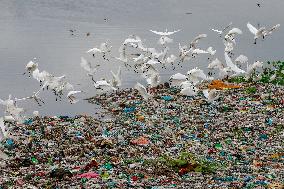
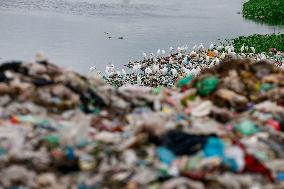
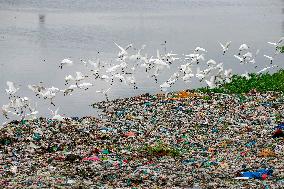
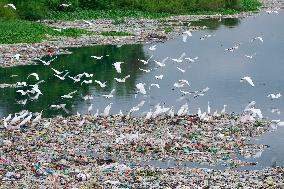
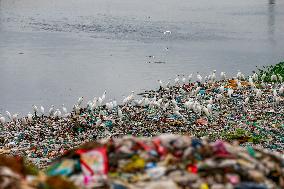
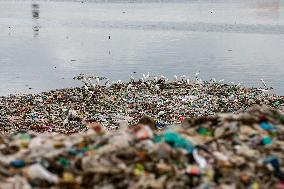
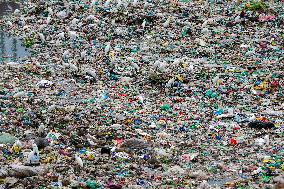
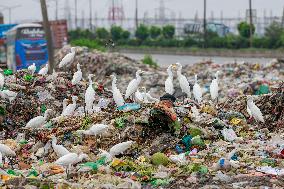
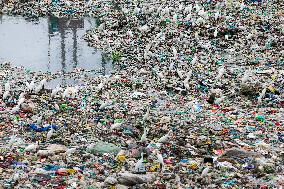
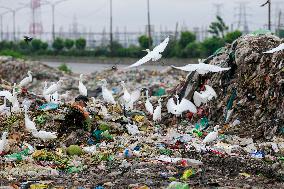
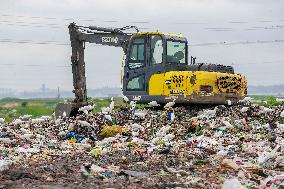
October 02, 2025, Dhaka, Bangladesh: The rivers and canals around Dhaka were once vital sanctuaries of biodiversity. Countless fish swam in their waters, serving as the main food source for fish-eating birds. But now that scene belongs to the past. What was once clear water is now occupied by heaps of garbage. Plastic, polythene, industrial waste, and household trash have severely polluted the water. Faced with a food crisis, fish-eating egrets are being forced to search for food in these piles of waste. Their natural food—fish—is no longer easily available, compelling them to look for alternatives. In Bangladesh, the filling up of rivers and wetlands, illegal encroachment, and plastic pollution together are pushing aquatic ecosystems towards destruction. These wetlands once provided shelter to thousands of native and migratory birds. But in recent years, their numbers have sharply declined. From the haors to Dhaka’s Turag and Balu rivers and other wetlands, the picture is the same: encroachment, landfilling,

  •  
Environmental Pollution In Bangladesh

Environmental Pollution In Bangladesh

October 02, 2025, Dhaka, Bangladesh: The rivers and canals around Dhaka were once vital sanctuaries of biodiversity. Countless fish swam in their waters, serving as the main food source for fish-eating birds. But now that scene belongs to the past. What was once clear water is now occupied by heaps of garbage. Plastic, polythene, industrial waste, and household trash have severely polluted the water. Faced with a food crisis, fish-eating egrets are being forced to search for food in these piles of waste. Their natural food—fish—is no longer easily available, compelling them to look for alternatives. In Bangladesh, the filling up of rivers and wetlands, illegal encroachment, and plastic pollution together are pushing aquatic ecosystems towards destruction. These wetlands once provided shelter to thousands of native and migratory birds. But in recent years, their numbers have sharply declined. From the haors to Dhaka’s Turag and Balu rivers and other wetlands, the picture is the same: encroachment, landfilling,

  •  
Environmental Pollution In Bangladesh

Environmental Pollution In Bangladesh

October 02, 2025, Dhaka, Bangladesh: The rivers and canals around Dhaka were once vital sanctuaries of biodiversity. Countless fish swam in their waters, serving as the main food source for fish-eating birds. But now that scene belongs to the past. What was once clear water is now occupied by heaps of garbage. Plastic, polythene, industrial waste, and household trash have severely polluted the water. Faced with a food crisis, fish-eating egrets are being forced to search for food in these piles of waste. Their natural food—fish—is no longer easily available, compelling them to look for alternatives. In Bangladesh, the filling up of rivers and wetlands, illegal encroachment, and plastic pollution together are pushing aquatic ecosystems towards destruction. These wetlands once provided shelter to thousands of native and migratory birds. But in recent years, their numbers have sharply declined. From the haors to Dhaka’s Turag and Balu rivers and other wetlands, the picture is the same: encroachment, landfilling,

  •  
Environmental Pollution In Bangladesh

Environmental Pollution In Bangladesh

October 02, 2025, Dhaka, Bangladesh: The rivers and canals around Dhaka were once vital sanctuaries of biodiversity. Countless fish swam in their waters, serving as the main food source for fish-eating birds. But now that scene belongs to the past. What was once clear water is now occupied by heaps of garbage. Plastic, polythene, industrial waste, and household trash have severely polluted the water. Faced with a food crisis, fish-eating egrets are being forced to search for food in these piles of waste. Their natural food—fish—is no longer easily available, compelling them to look for alternatives. In Bangladesh, the filling up of rivers and wetlands, illegal encroachment, and plastic pollution together are pushing aquatic ecosystems towards destruction. These wetlands once provided shelter to thousands of native and migratory birds. But in recent years, their numbers have sharply declined. From the haors to Dhaka’s Turag and Balu rivers and other wetlands, the picture is the same: encroachment, landfilling,

  •  
Environmental Pollution In Bangladesh

Environmental Pollution In Bangladesh

October 02, 2025, Dhaka, Bangladesh: The rivers and canals around Dhaka were once vital sanctuaries of biodiversity. Countless fish swam in their waters, serving as the main food source for fish-eating birds. But now that scene belongs to the past. What was once clear water is now occupied by heaps of garbage. Plastic, polythene, industrial waste, and household trash have severely polluted the water. Faced with a food crisis, fish-eating egrets are being forced to search for food in these piles of waste. Their natural food—fish—is no longer easily available, compelling them to look for alternatives. In Bangladesh, the filling up of rivers and wetlands, illegal encroachment, and plastic pollution together are pushing aquatic ecosystems towards destruction. These wetlands once provided shelter to thousands of native and migratory birds. But in recent years, their numbers have sharply declined. From the haors to Dhaka’s Turag and Balu rivers and other wetlands, the picture is the same: encroachment, landfilling,

  •  
Environmental Pollution In Bangladesh

Environmental Pollution In Bangladesh

October 02, 2025, Dhaka, Bangladesh: The rivers and canals around Dhaka were once vital sanctuaries of biodiversity. Countless fish swam in their waters, serving as the main food source for fish-eating birds. But now that scene belongs to the past. What was once clear water is now occupied by heaps of garbage. Plastic, polythene, industrial waste, and household trash have severely polluted the water. Faced with a food crisis, fish-eating egrets are being forced to search for food in these piles of waste. Their natural food—fish—is no longer easily available, compelling them to look for alternatives. In Bangladesh, the filling up of rivers and wetlands, illegal encroachment, and plastic pollution together are pushing aquatic ecosystems towards destruction. These wetlands once provided shelter to thousands of native and migratory birds. But in recent years, their numbers have sharply declined. From the haors to Dhaka’s Turag and Balu rivers and other wetlands, the picture is the same: encroachment, landfilling,

  •  
Environmental Pollution In Bangladesh

Environmental Pollution In Bangladesh

October 02, 2025, Dhaka, Bangladesh: The rivers and canals around Dhaka were once vital sanctuaries of biodiversity. Countless fish swam in their waters, serving as the main food source for fish-eating birds. But now that scene belongs to the past. What was once clear water is now occupied by heaps of garbage. Plastic, polythene, industrial waste, and household trash have severely polluted the water. Faced with a food crisis, fish-eating egrets are being forced to search for food in these piles of waste. Their natural food—fish—is no longer easily available, compelling them to look for alternatives. In Bangladesh, the filling up of rivers and wetlands, illegal encroachment, and plastic pollution together are pushing aquatic ecosystems towards destruction. These wetlands once provided shelter to thousands of native and migratory birds. But in recent years, their numbers have sharply declined. From the haors to Dhaka’s Turag and Balu rivers and other wetlands, the picture is the same: encroachment, landfilling,

  •  
Environmental Pollution In Bangladesh

Environmental Pollution In Bangladesh

October 02, 2025, Dhaka, Bangladesh: The rivers and canals around Dhaka were once vital sanctuaries of biodiversity. Countless fish swam in their waters, serving as the main food source for fish-eating birds. But now that scene belongs to the past. What was once clear water is now occupied by heaps of garbage. Plastic, polythene, industrial waste, and household trash have severely polluted the water. Faced with a food crisis, fish-eating egrets are being forced to search for food in these piles of waste. Their natural food—fish—is no longer easily available, compelling them to look for alternatives. In Bangladesh, the filling up of rivers and wetlands, illegal encroachment, and plastic pollution together are pushing aquatic ecosystems towards destruction. These wetlands once provided shelter to thousands of native and migratory birds. But in recent years, their numbers have sharply declined. From the haors to Dhaka’s Turag and Balu rivers and other wetlands, the picture is the same: encroachment, landfilling,

  •  
Environmental Pollution In Bangladesh

Environmental Pollution In Bangladesh

October 02, 2025, Dhaka, Bangladesh: The rivers and canals around Dhaka were once vital sanctuaries of biodiversity. Countless fish swam in their waters, serving as the main food source for fish-eating birds. But now that scene belongs to the past. What was once clear water is now occupied by heaps of garbage. Plastic, polythene, industrial waste, and household trash have severely polluted the water. Faced with a food crisis, fish-eating egrets are being forced to search for food in these piles of waste. Their natural food—fish—is no longer easily available, compelling them to look for alternatives. In Bangladesh, the filling up of rivers and wetlands, illegal encroachment, and plastic pollution together are pushing aquatic ecosystems towards destruction. These wetlands once provided shelter to thousands of native and migratory birds. But in recent years, their numbers have sharply declined. From the haors to Dhaka’s Turag and Balu rivers and other wetlands, the picture is the same: encroachment, landfilling,

  •  
Environmental Pollution In Bangladesh

Environmental Pollution In Bangladesh

October 02, 2025, Dhaka, Bangladesh: The rivers and canals around Dhaka were once vital sanctuaries of biodiversity. Countless fish swam in their waters, serving as the main food source for fish-eating birds. But now that scene belongs to the past. What was once clear water is now occupied by heaps of garbage. Plastic, polythene, industrial waste, and household trash have severely polluted the water. Faced with a food crisis, fish-eating egrets are being forced to search for food in these piles of waste. Their natural food—fish—is no longer easily available, compelling them to look for alternatives. In Bangladesh, the filling up of rivers and wetlands, illegal encroachment, and plastic pollution together are pushing aquatic ecosystems towards destruction. These wetlands once provided shelter to thousands of native and migratory birds. But in recent years, their numbers have sharply declined. From the haors to Dhaka’s Turag and Balu rivers and other wetlands, the picture is the same: encroachment, landfilling,

  •  
Environmental Pollution In Bangladesh

Environmental Pollution In Bangladesh

October 02, 2025, Dhaka, Bangladesh: The rivers and canals around Dhaka were once vital sanctuaries of biodiversity. Countless fish swam in their waters, serving as the main food source for fish-eating birds. But now that scene belongs to the past. What was once clear water is now occupied by heaps of garbage. Plastic, polythene, industrial waste, and household trash have severely polluted the water. Faced with a food crisis, fish-eating egrets are being forced to search for food in these piles of waste. Their natural food—fish—is no longer easily available, compelling them to look for alternatives. In Bangladesh, the filling up of rivers and wetlands, illegal encroachment, and plastic pollution together are pushing aquatic ecosystems towards destruction. These wetlands once provided shelter to thousands of native and migratory birds. But in recent years, their numbers have sharply declined. From the haors to Dhaka’s Turag and Balu rivers and other wetlands, the picture is the same: encroachment, landfilling,

  •  

China's agricultural expertise fuels prospects for rice self-sufficiency in Fiji

STORY: China's agricultural expertise fuels prospects for rice self-sufficiency in Fiji SHOOTING TIME: March 13, 2024 DATELINE: March 19, 2024 LENGTH: 00:02:06 LOCATION: Suva CATEGORY: SOCIETY SHOTLIST: 1. various of Fijian farmers working with experts of China-Aid Agricultural Development Project in Fiji 2. SOUNDBITE 1 (Chinese): CHEN HUAZAO, Team leader of China-Aid Agricultural Development Project in Fiji 3. SOUNDBITE 2 (Chinese): WU MINGKUI, Seed breeding expert of China-Aid Agricultural Development Project in Fiji 4. SOUNDBITE 3 (English): TEKINI NAKIDAKIDA, Deputy secretary for Agriculture Development, Fijian Ministry of Agriculture and Waterways STORYLINE: Rice has been cultivated for many decades in Fiji, serving as a major source of food for its population. However, the country's rice industry has faced challenges in recent years, marked by a decline in both lands and production, mainly due to traditional farming practices, labor shortage and the impacts of climate change. Fiji produces less tha

  •  
FINLAND-AHTARI-PANDA-BAMBOO

FINLAND-AHTARI-PANDA-BAMBOO

(240305) -- AHTARI, March 5, 2024 (Xinhua) -- This photo taken on Jan. 8, 2024 shows a giant panda eating bamboo at the Ahtari Zoo in Ahtari, Finland. Driven by a passion for giant pandas, Finnish agronomists are learning how to cultivate bamboo in freezing temperatures not normally conducive to growing the primary food source for these iconic animals. TO GO WITH: "Feature: Cultivating bamboo for pandas in freezing Finland" (Photo by Matti Matikainen/Xinhua)

  •  
FINLAND-AHTARI-PANDA-BAMBOO

FINLAND-AHTARI-PANDA-BAMBOO

(240305) -- AHTARI, March 5, 2024 (Xinhua) -- This photo taken on Jan. 8, 2024 shows agricultural advisor Jari Luokkakallio carrying bamboo in Ahtari, Finland. Driven by a passion for giant pandas, Finnish agronomists are learning how to cultivate bamboo in freezing temperatures not normally conducive to growing the primary food source for these iconic animals. TO GO WITH: "Feature: Cultivating bamboo for pandas in freezing Finland" (Photo by Matti Matikainen/Xinhua)

  •  
FINLAND-AHTARI-PANDA-BAMBOO

FINLAND-AHTARI-PANDA-BAMBOO

(240305) -- AHTARI, March 5, 2024 (Xinhua) -- This photo taken on Jan. 8, 2024 shows agricultural advisor Jari Luokkakallio looking at bamboo in Ahtari, Finland. Driven by a passion for giant pandas, Finnish agronomists are learning how to cultivate bamboo in freezing temperatures not normally conducive to growing the primary food source for these iconic animals. TO GO WITH: "Feature: Cultivating bamboo for pandas in freezing Finland" (Photo by Matti Matikainen/Xinhua)

  •  
FINLAND-AHTARI-PANDA-BAMBOO

FINLAND-AHTARI-PANDA-BAMBOO

(240305) -- AHTARI, March 5, 2024 (Xinhua) -- This photo taken on Jan. 8, 2024 shows a giant panda eating bamboo at the Ahtari Zoo in Ahtari, Finland. Driven by a passion for giant pandas, Finnish agronomists are learning how to cultivate bamboo in freezing temperatures not normally conducive to growing the primary food source for these iconic animals. TO GO WITH: "Feature: Cultivating bamboo for pandas in freezing Finland" (Photo by Matti Matikainen/Xinhua)

  •  
Illustration Rice

Illustration Rice

SHANGHAI, CHINA - FEBRUARY 28, 2024 - Illustration Rice will soon become a viable and sustainable meat substitute in Shanghai, China, February 28, 2024. A research team at Yonsei University in South Korea has successfully developed a hybrid rice containing beef protein and fat cells. Thanks to the inclusion of animal cells, this new pink rice may one day be able to stand on its own as a complete meal, providing the world with an adequate and sustainable food source to solve problems such as famine and food waste. Scientists will also explore the possibility of crossing rice with other meats or fish to satisfy different tastes.

  •  
Illustration Rice

Illustration Rice

SHANGHAI, CHINA - FEBRUARY 28, 2024 - Illustration Rice will soon become a viable and sustainable meat substitute in Shanghai, China, February 28, 2024. A research team at Yonsei University in South Korea has successfully developed a hybrid rice containing beef protein and fat cells. Thanks to the inclusion of animal cells, this new pink rice may one day be able to stand on its own as a complete meal, providing the world with an adequate and sustainable food source to solve problems such as famine and food waste. Scientists will also explore the possibility of crossing rice with other meats or fish to satisfy different tastes.

  •  
Illustration Rice

Illustration Rice

SHANGHAI, CHINA - FEBRUARY 28, 2024 - Illustration Rice will soon become a viable and sustainable meat substitute in Shanghai, China, February 28, 2024. A research team at Yonsei University in South Korea has successfully developed a hybrid rice containing beef protein and fat cells. Thanks to the inclusion of animal cells, this new pink rice may one day be able to stand on its own as a complete meal, providing the world with an adequate and sustainable food source to solve problems such as famine and food waste. Scientists will also explore the possibility of crossing rice with other meats or fish to satisfy different tastes.

  •  

Egypt makes airdrops of aid in Gaza

STORY: Egypt makes airdrops of aid in Gaza SHOOTING TIME: Feb. 27, 2024 DATELINE: Feb. 28, 2024 LENGTH: 00:01:36 LOCATION: Cairo CATEGORY: POLITICS SHOTLIST: 1. various of a circulated video on social media showing airdropping aid over Gaza 2. various of trucks loaded with aid at Rafah border STORYLINE: Egyptian air forces airdropped humanitarian aid to the Gaza Strip on Tuesday, Egypt's Al-Qahera News TV reported. The report cited a high-level security source who said the airdrops, which were participated by the United Arab Emirates and Jordan, included food and medical supplies for the besieged territory. Egyptian Minister of Social Solidarity Nivine El-Kabbag said on Feb. 16 that Egypt had sent nearly 200,000 tons of humanitarian aid to Gaza, which accounts for 60 percent of the total relief from more than 37 countries. Israel has been attacking Hamas in Gaza since Oct. 7, 2023, after the militant group's surprise raid on southern Israel that killed about 1,400 people. The Israeli blockade and airstr

  •  
Tuanjiecun Railway Central Station Working Scene in Chongqing

Tuanjiecun Railway Central Station Working Scene in Chongqing

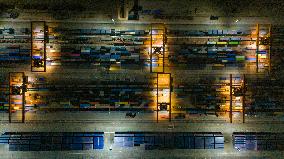
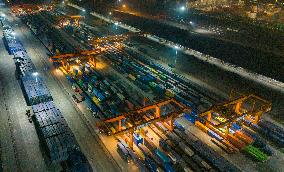
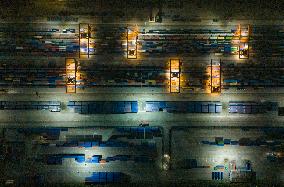
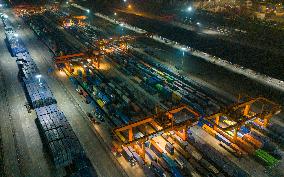
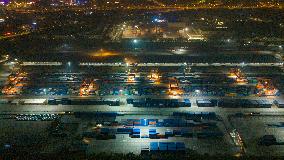
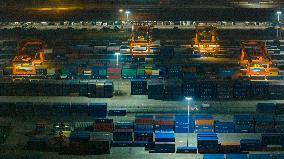
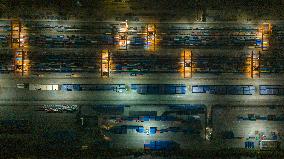
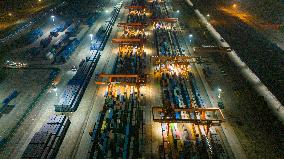
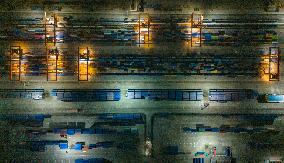
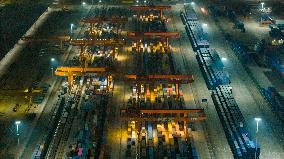
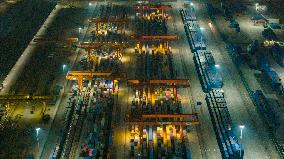
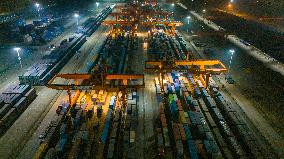
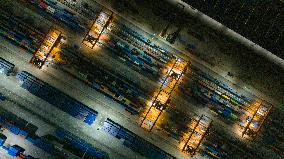
CHONGQING, CHINA - JANUARY 28, 2024 - Photo taken on Jan 28, 2024 shows the work scene at Tuanjiecun Railway Central station in Shapingba district, Chongqing, China. It is reported that in 2023, the total number of China-Europe railway trains (Chengdu-Chongqing) has exceeded 5,300, and the transport volume has exceeded 430,000 TEU, ranking first in China. At present, the China-Europe Express (Chengdu-Chongqing) runs nearly 50 routes, covering 110 cities in Europe and Asia, and the source of goods has expanded from the initial pen and electronic products to more than 10,000 kinds of goods such as electronic products, vehicles and parts, communications and mechanical equipment, furniture and building materials, clothing, shoes and hats, chemicals, food, medicine and medical equipment.

  •  
Tuanjiecun Railway Central Station Working Scene in Chongqing

Tuanjiecun Railway Central Station Working Scene in Chongqing

CHONGQING, CHINA - JANUARY 28, 2024 - Photo taken on Jan 28, 2024 shows the work scene at Tuanjiecun Railway Central station in Shapingba district, Chongqing, China. It is reported that in 2023, the total number of China-Europe railway trains (Chengdu-Chongqing) has exceeded 5,300, and the transport volume has exceeded 430,000 TEU, ranking first in China. At present, the China-Europe Express (Chengdu-Chongqing) runs nearly 50 routes, covering 110 cities in Europe and Asia, and the source of goods has expanded from the initial pen and electronic products to more than 10,000 kinds of goods such as electronic products, vehicles and parts, communications and mechanical equipment, furniture and building materials, clothing, shoes and hats, chemicals, food, medicine and medical equipment.

  •  
Tuanjiecun Railway Central Station Working Scene in Chongqing

Tuanjiecun Railway Central Station Working Scene in Chongqing

CHONGQING, CHINA - JANUARY 28, 2024 - Photo taken on Jan 28, 2024 shows the work scene at Tuanjiecun Railway Central station in Shapingba district, Chongqing, China. It is reported that in 2023, the total number of China-Europe railway trains (Chengdu-Chongqing) has exceeded 5,300, and the transport volume has exceeded 430,000 TEU, ranking first in China. At present, the China-Europe Express (Chengdu-Chongqing) runs nearly 50 routes, covering 110 cities in Europe and Asia, and the source of goods has expanded from the initial pen and electronic products to more than 10,000 kinds of goods such as electronic products, vehicles and parts, communications and mechanical equipment, furniture and building materials, clothing, shoes and hats, chemicals, food, medicine and medical equipment.

  •  
Tuanjiecun Railway Central Station Working Scene in Chongqing

Tuanjiecun Railway Central Station Working Scene in Chongqing

CHONGQING, CHINA - JANUARY 28, 2024 - Photo taken on Jan 28, 2024 shows the work scene at Tuanjiecun Railway Central station in Shapingba district, Chongqing, China. It is reported that in 2023, the total number of China-Europe railway trains (Chengdu-Chongqing) has exceeded 5,300, and the transport volume has exceeded 430,000 TEU, ranking first in China. At present, the China-Europe Express (Chengdu-Chongqing) runs nearly 50 routes, covering 110 cities in Europe and Asia, and the source of goods has expanded from the initial pen and electronic products to more than 10,000 kinds of goods such as electronic products, vehicles and parts, communications and mechanical equipment, furniture and building materials, clothing, shoes and hats, chemicals, food, medicine and medical equipment.

  •  
Tuanjiecun Railway Central Station Working Scene in Chongqing

Tuanjiecun Railway Central Station Working Scene in Chongqing

CHONGQING, CHINA - JANUARY 28, 2024 - Photo taken on Jan 28, 2024 shows the work scene at Tuanjiecun Railway Central station in Shapingba district, Chongqing, China. It is reported that in 2023, the total number of China-Europe railway trains (Chengdu-Chongqing) has exceeded 5,300, and the transport volume has exceeded 430,000 TEU, ranking first in China. At present, the China-Europe Express (Chengdu-Chongqing) runs nearly 50 routes, covering 110 cities in Europe and Asia, and the source of goods has expanded from the initial pen and electronic products to more than 10,000 kinds of goods such as electronic products, vehicles and parts, communications and mechanical equipment, furniture and building materials, clothing, shoes and hats, chemicals, food, medicine and medical equipment.

  •  
Tuanjiecun Railway Central Station Working Scene in Chongqing

Tuanjiecun Railway Central Station Working Scene in Chongqing

CHONGQING, CHINA - JANUARY 28, 2024 - Photo taken on Jan 28, 2024 shows the work scene at Tuanjiecun Railway Central station in Shapingba district, Chongqing, China. It is reported that in 2023, the total number of China-Europe railway trains (Chengdu-Chongqing) has exceeded 5,300, and the transport volume has exceeded 430,000 TEU, ranking first in China. At present, the China-Europe Express (Chengdu-Chongqing) runs nearly 50 routes, covering 110 cities in Europe and Asia, and the source of goods has expanded from the initial pen and electronic products to more than 10,000 kinds of goods such as electronic products, vehicles and parts, communications and mechanical equipment, furniture and building materials, clothing, shoes and hats, chemicals, food, medicine and medical equipment.

  •  
Tuanjiecun Railway Central Station Working Scene in Chongqing

Tuanjiecun Railway Central Station Working Scene in Chongqing

CHONGQING, CHINA - JANUARY 28, 2024 - Photo taken on Jan 28, 2024 shows the work scene at Tuanjiecun Railway Central station in Shapingba district, Chongqing, China. It is reported that in 2023, the total number of China-Europe railway trains (Chengdu-Chongqing) has exceeded 5,300, and the transport volume has exceeded 430,000 TEU, ranking first in China. At present, the China-Europe Express (Chengdu-Chongqing) runs nearly 50 routes, covering 110 cities in Europe and Asia, and the source of goods has expanded from the initial pen and electronic products to more than 10,000 kinds of goods such as electronic products, vehicles and parts, communications and mechanical equipment, furniture and building materials, clothing, shoes and hats, chemicals, food, medicine and medical equipment.

  •  
Tuanjiecun Railway Central Station Working Scene in Chongqing

Tuanjiecun Railway Central Station Working Scene in Chongqing

CHONGQING, CHINA - JANUARY 28, 2024 - Photo taken on Jan 28, 2024 shows the work scene at Tuanjiecun Railway Central station in Shapingba district, Chongqing, China. It is reported that in 2023, the total number of China-Europe railway trains (Chengdu-Chongqing) has exceeded 5,300, and the transport volume has exceeded 430,000 TEU, ranking first in China. At present, the China-Europe Express (Chengdu-Chongqing) runs nearly 50 routes, covering 110 cities in Europe and Asia, and the source of goods has expanded from the initial pen and electronic products to more than 10,000 kinds of goods such as electronic products, vehicles and parts, communications and mechanical equipment, furniture and building materials, clothing, shoes and hats, chemicals, food, medicine and medical equipment.

  •  
Tuanjiecun Railway Central Station Working Scene in Chongqing

Tuanjiecun Railway Central Station Working Scene in Chongqing

CHONGQING, CHINA - JANUARY 28, 2024 - Photo taken on Jan 28, 2024 shows the work scene at Tuanjiecun Railway Central station in Shapingba district, Chongqing, China. It is reported that in 2023, the total number of China-Europe railway trains (Chengdu-Chongqing) has exceeded 5,300, and the transport volume has exceeded 430,000 TEU, ranking first in China. At present, the China-Europe Express (Chengdu-Chongqing) runs nearly 50 routes, covering 110 cities in Europe and Asia, and the source of goods has expanded from the initial pen and electronic products to more than 10,000 kinds of goods such as electronic products, vehicles and parts, communications and mechanical equipment, furniture and building materials, clothing, shoes and hats, chemicals, food, medicine and medical equipment.

  •  
Tuanjiecun Railway Central Station Working Scene in Chongqing

Tuanjiecun Railway Central Station Working Scene in Chongqing

CHONGQING, CHINA - JANUARY 28, 2024 - Photo taken on Jan 28, 2024 shows the work scene at Tuanjiecun Railway Central station in Shapingba district, Chongqing, China. It is reported that in 2023, the total number of China-Europe railway trains (Chengdu-Chongqing) has exceeded 5,300, and the transport volume has exceeded 430,000 TEU, ranking first in China. At present, the China-Europe Express (Chengdu-Chongqing) runs nearly 50 routes, covering 110 cities in Europe and Asia, and the source of goods has expanded from the initial pen and electronic products to more than 10,000 kinds of goods such as electronic products, vehicles and parts, communications and mechanical equipment, furniture and building materials, clothing, shoes and hats, chemicals, food, medicine and medical equipment.

  •  
Tuanjiecun Railway Central Station Working Scene in Chongqing

Tuanjiecun Railway Central Station Working Scene in Chongqing

CHONGQING, CHINA - JANUARY 28, 2024 - Photo taken on Jan 28, 2024 shows the work scene at Tuanjiecun Railway Central station in Shapingba district, Chongqing, China. It is reported that in 2023, the total number of China-Europe railway trains (Chengdu-Chongqing) has exceeded 5,300, and the transport volume has exceeded 430,000 TEU, ranking first in China. At present, the China-Europe Express (Chengdu-Chongqing) runs nearly 50 routes, covering 110 cities in Europe and Asia, and the source of goods has expanded from the initial pen and electronic products to more than 10,000 kinds of goods such as electronic products, vehicles and parts, communications and mechanical equipment, furniture and building materials, clothing, shoes and hats, chemicals, food, medicine and medical equipment.

  •  
Tuanjiecun Railway Central Station Working Scene in Chongqing

Tuanjiecun Railway Central Station Working Scene in Chongqing

CHONGQING, CHINA - JANUARY 28, 2024 - Photo taken on Jan 28, 2024 shows the work scene at Tuanjiecun Railway Central station in Shapingba district, Chongqing, China. It is reported that in 2023, the total number of China-Europe railway trains (Chengdu-Chongqing) has exceeded 5,300, and the transport volume has exceeded 430,000 TEU, ranking first in China. At present, the China-Europe Express (Chengdu-Chongqing) runs nearly 50 routes, covering 110 cities in Europe and Asia, and the source of goods has expanded from the initial pen and electronic products to more than 10,000 kinds of goods such as electronic products, vehicles and parts, communications and mechanical equipment, furniture and building materials, clothing, shoes and hats, chemicals, food, medicine and medical equipment.

  •  
Tuanjiecun Railway Central Station Working Scene in Chongqing

Tuanjiecun Railway Central Station Working Scene in Chongqing

CHONGQING, CHINA - JANUARY 28, 2024 - Photo taken on Jan 28, 2024 shows the work scene at Tuanjiecun Railway Central station in Shapingba district, Chongqing, China. It is reported that in 2023, the total number of China-Europe railway trains (Chengdu-Chongqing) has exceeded 5,300, and the transport volume has exceeded 430,000 TEU, ranking first in China. At present, the China-Europe Express (Chengdu-Chongqing) runs nearly 50 routes, covering 110 cities in Europe and Asia, and the source of goods has expanded from the initial pen and electronic products to more than 10,000 kinds of goods such as electronic products, vehicles and parts, communications and mechanical equipment, furniture and building materials, clothing, shoes and hats, chemicals, food, medicine and medical equipment.

  •  
Tuanjiecun Railway Central Station Working Scene in Chongqing

Tuanjiecun Railway Central Station Working Scene in Chongqing

CHONGQING, CHINA - JANUARY 28, 2024 - Photo taken on Jan 28, 2024 shows the work scene at Tuanjiecun Railway Central station in Shapingba district, Chongqing, China. It is reported that in 2023, the total number of China-Europe railway trains (Chengdu-Chongqing) has exceeded 5,300, and the transport volume has exceeded 430,000 TEU, ranking first in China. At present, the China-Europe Express (Chengdu-Chongqing) runs nearly 50 routes, covering 110 cities in Europe and Asia, and the source of goods has expanded from the initial pen and electronic products to more than 10,000 kinds of goods such as electronic products, vehicles and parts, communications and mechanical equipment, furniture and building materials, clothing, shoes and hats, chemicals, food, medicine and medical equipment.

  • Main
  • Top
  • Editorial
  • Creative
  • About Us
  • About ILG
  • Terms of use
  • Company
  • BEHIND
  • Price List
  • Single Plan
  • Monthly Plan
  • Services
  • Shooting
  • Rights Clearance
  • Support
  • FAQ
  • How To Buy
  • Contact Us
  • Become a Partner

© KYODO NEWS IMAGES INC

All Rights Reserved.

  • Editorial
  • Olympics
  • News
  • Sports
  • Japan
  • Tech
  • Royal
  • Disaster
  • NorthKorea
  • Old Japan
  • SNS
  • Creative
  • Food
  • Japan
  • Landscape
  • Animal
  • Popular
  • #Ukraine
  • #Thailand
  • #coronavirus
  • #N. Korea
  • #Russia
  • #China
  • #Ukraine
  • #Thailand
  • #coronavirus
  • #N. Korea
  • #Russia
  • #China
  • Food
  • Japan
  • Landscape
  • Animal
  • Olympics
  • News
  • Sports
  • Japan
  • Tech
  • Royal
  • Disaster
  • NorthKorea
  • Old Japan
  • SNS